

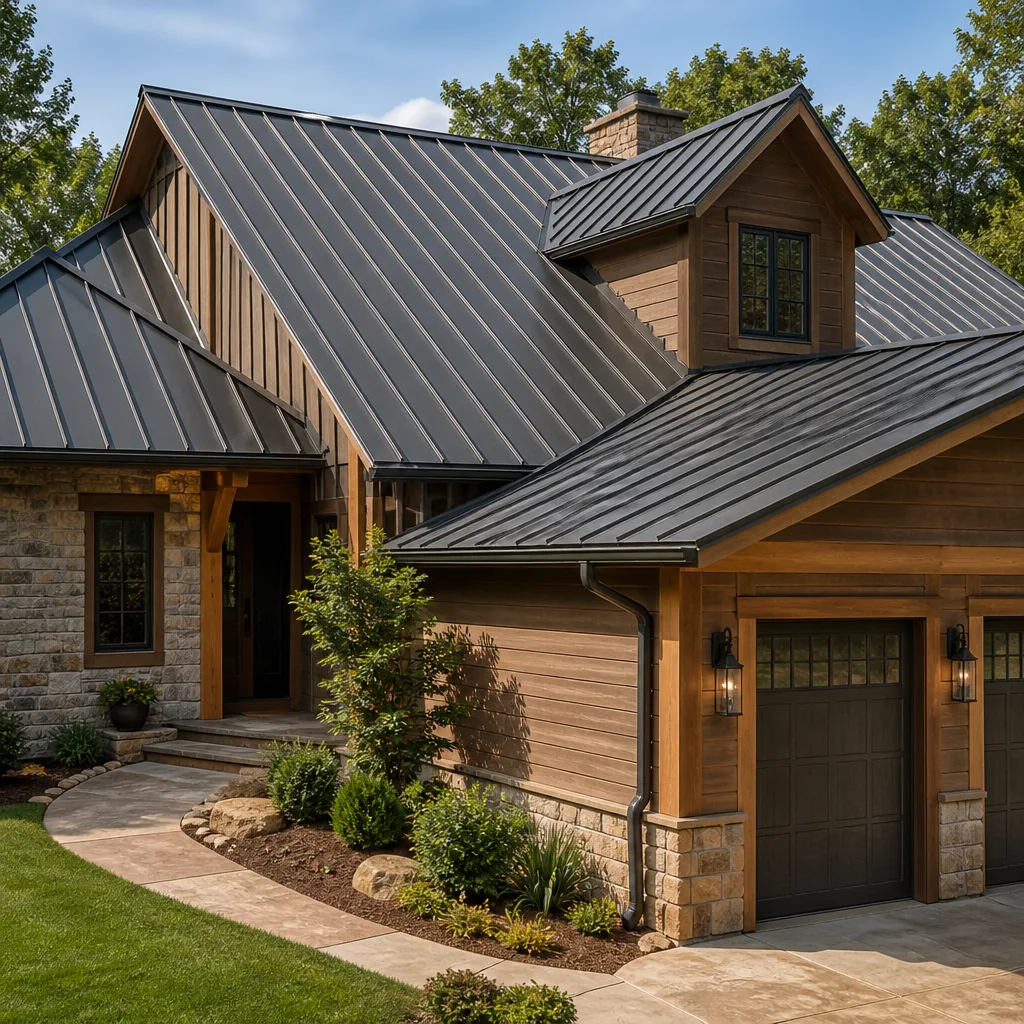
 Metal roofing
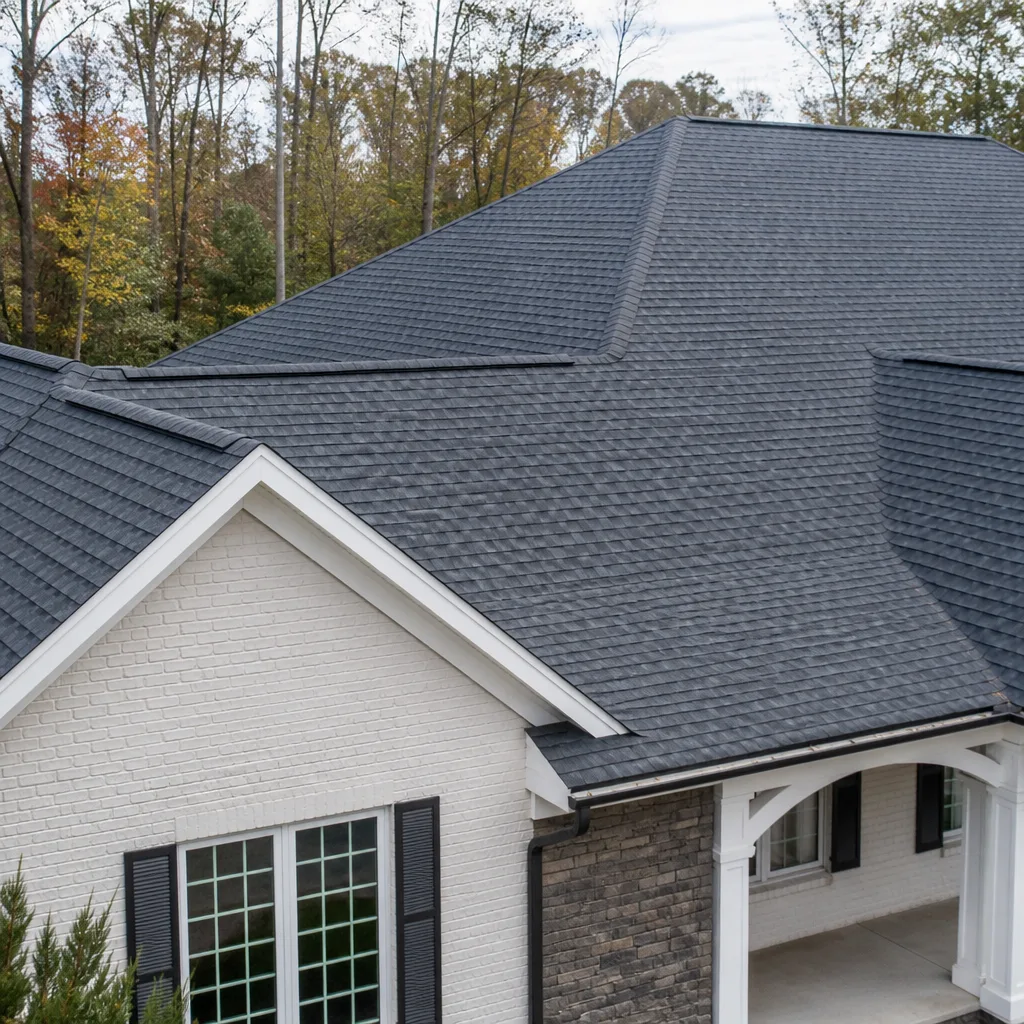
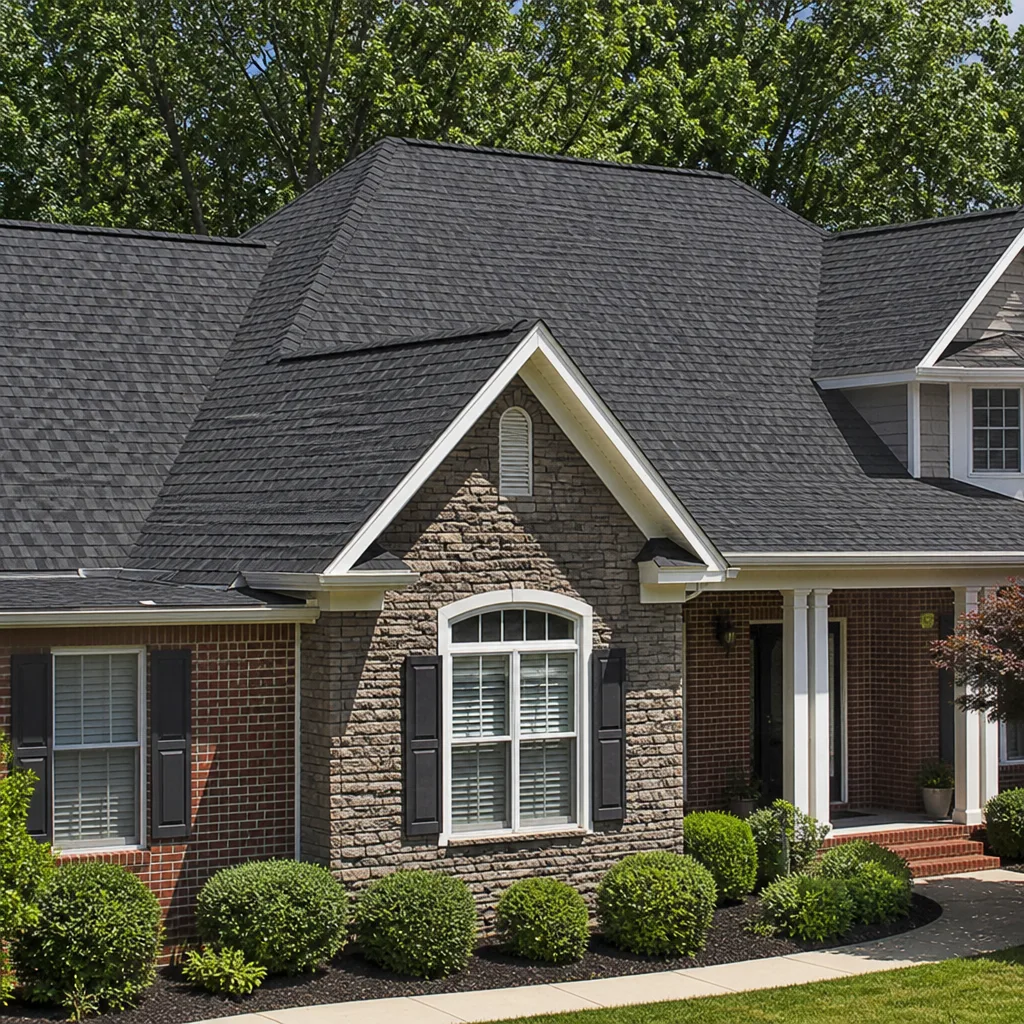 Architectural shingles
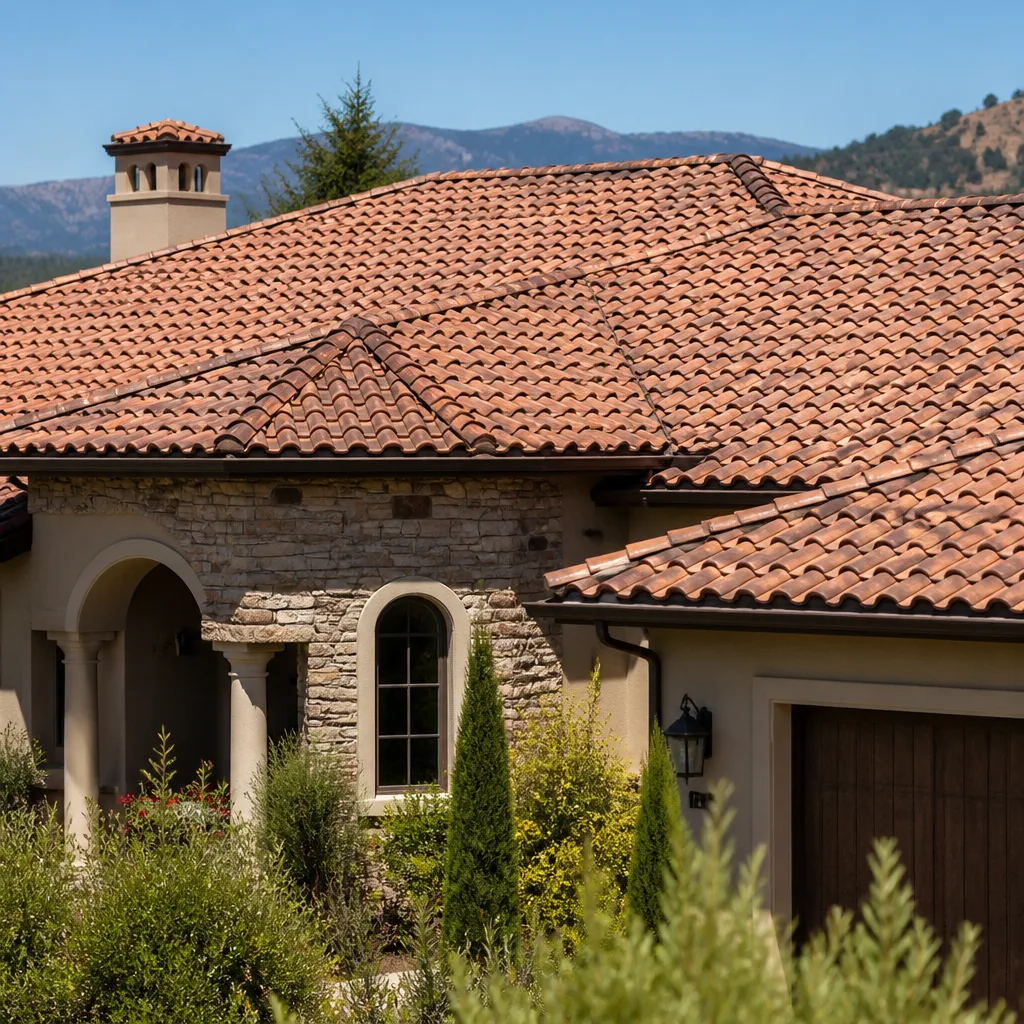 Tile roofing
 GAF
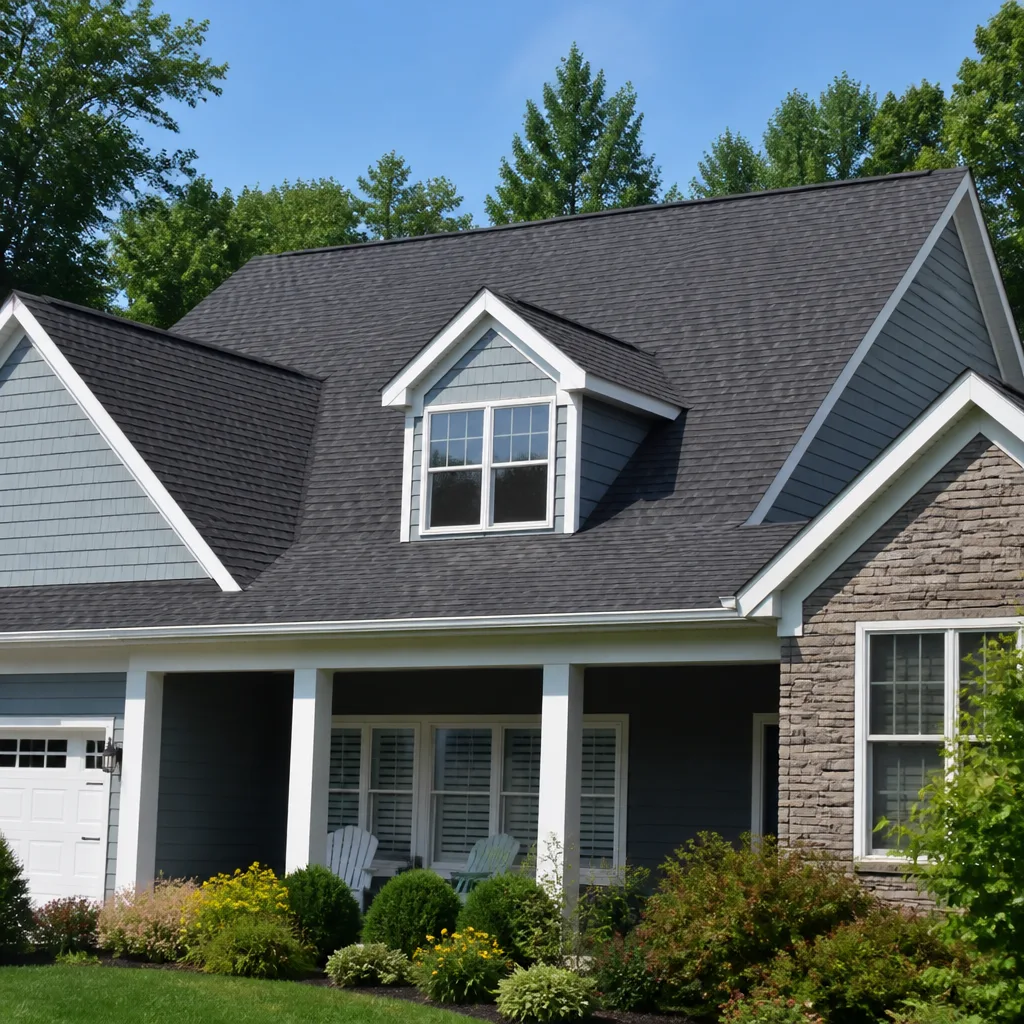 Owens Corning
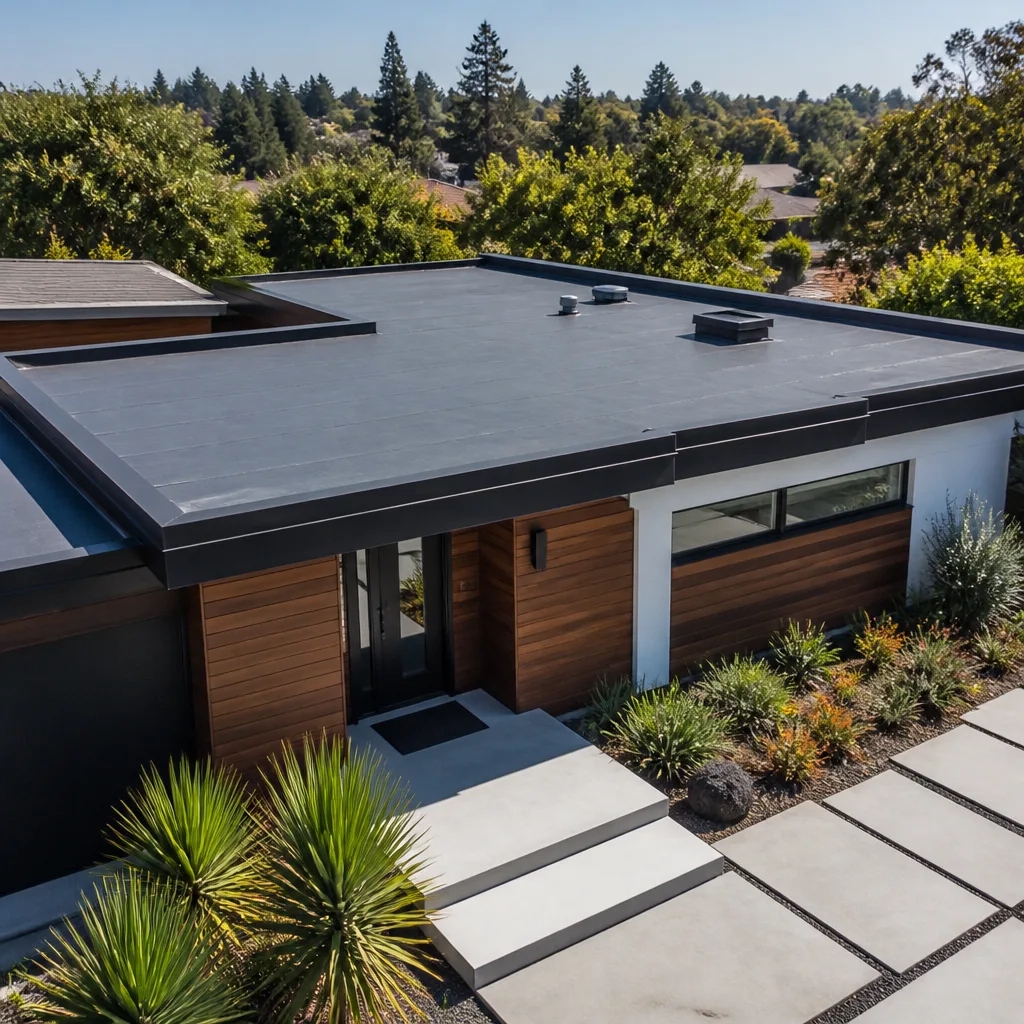 Flat & low-slope
Free roof inspection with deck photos before we talk money - GAF and Owens Corning certified installation
Fast, Reliable Roof Replacement Across Koreatown
Roof replacement in Koreatown runs into a problem most neighborhoods never face: there’s nowhere to put anything. A typical Koreatown lot is built to the property line on both sides, which means a re-roof has to be staged entirely from a rear alley or a single narrow driveway. We know this because we work these blocks regularly. Materials get craned or hoisted straight over the building because there’s no ground space to drop a dumpster or stack squares. If you’re dealing with a leaking flat roof, cracked tile underlayment, or an aging membrane on a 1920s fourplex off Western or Olympic, call us at (855) 382-1073. We’ll assess what’s actually there and give you a straight answer on whether a repair or full replacement is the right call.
Why Barnwood Roofing Is Koreatown’s Preferred Roof Replacement Company
Ruben Calloway leads every Koreatown job with the same starting point: inspection first, recommendation second. We don’t arrive assuming you need a full re-roof. On a 2004 stucco condo building with a mechanically-fastened TPO roof near Wilshire and Normandie, we told the HOA their membrane had eight years left and recommended targeted flashing repairs instead. They called us back three years later when it was actually time.
Our Roof Replacement crew works the 90005 ZIP regularly. We know that tear-off on a zero-lot-line building off James M. Wood Boulevard can’t follow the same playbook as a single-family shingle job in Echo Park. Crews park where they can, which is usually a rear alley entrance shared with trash pickup. We plan around that. We carry protection for adjacent walls, we coordinate with property managers in advance, and we don’t leave exposed decking open overnight. That matters in Koreatown because everything is closer together, and a problem on one roof becomes a problem for the building next door.
Barnwood’s approach to product selection comes from working with seven manufacturers: GAF, CertainTeed, Owens Corning, IKO, Atlas, Tamko, and Boral. That means when we quote a flat roof on a 1990s retail-over-podium structure, we’re matching the membrane to the substrate and the building’s exposure, not pushing whatever single brand we happen to stock. Seven brands, one honest recommendation.
Styles & brands we work with
Flat Roof Replacement in Koreatown
Flat Roof Replacement in Koreatown is the most common job we do here, because the neighborhood’s dominant building pattern is dense multi-story construction with flat and low-slope roofs rather than pitched shingle roofs on detached houses. The work involves removing the existing membrane, inspecting the substrate and insulation, then installing the right system for the building. On Koreatown’s older buildings, that often means matching parapet flashing details and working around rooftop equipment that’s been added over decades.
What the Job Involves on a Zero-Lot-Line Site
Most Koreatown flat roofs require staging from a single alley or rear driveway. We hoist membrane rolls, insulation board, and tools over the parapet with a crane or a motorized hoist. There’s no room for a dumpster, so tear-off debris gets bagged and lowered, then trucked out the same day. That access constraint affects the quote: labor time goes up, but it also means the plan is built around keeping the site clean and the adjacent building untouched.
When Koreatown Buildings Need a Full Flat Re-Roof
Sunbelt UV bakes flat membranes fast. We see TPO and mod-bit roofs in Koreatown that look serviceable from street level but are brittle and cracked at the seams after 12 to 15 years. If you’re seeing bubbles, ponding water after light rain, or leaks that trace back to parapet edges on a 1980s or 1990s multi-story building, that’s a re-roof, not a patch. A typical flat roof replacement on a small to mid-size Koreatown apartment building runs $18,000 to $45,000 depending on square footage, membrane type, and how much decking needs replacement.
Roof Installation in Koreatown
Roof Installation in Koreatown covers two distinct situations: full reroofs on existing buildings, and new construction work on the podium decks and mixed-use structures going up across the neighborhood. For existing buildings, installation means removing the old system down to the deck and building back up with the right materials. For new construction near Wilshire and Vermont, it means installing the roof system on a structure that’s already been framed and dried in.
Replacement Installation on Older Multi-Family Buildings
On a 1920s Spanish Colonial fourplex, original clay tile or rolled low-slope roofing has often been patched so many times that the underlayment is shot. We remove everything, inspect the decking, replace what’s rotted, and install a system that matches the building’s look while performing better underneath. Parapet flashings on these older Koreatown buildings are typically custom-fabricated on site because the original dimensions don’t match modern pre-formed pieces.
New Construction and Podium Deck Systems
Koreatown’s 1990s and 2000s mixed-use buildings frequently use podium decks, where the roof over the parking or retail level is also a load-bearing concrete slab. Installation here means bonding the membrane directly to the concrete, managing drainage with tapered insulation, and coordinating with other trades. These jobs are priced differently from a standard tear-off: a roof installation on new or podium-style construction in Koreatown typically runs $22,000 to $60,000 depending on system type, deck condition, and access.

Trusted Brands We Service in Koreatown
We work with systems from Owens Corning, CertainTeed, and IKO on Koreatown jobs where those products fit the building’s needs, alongside our full line of manufacturer partnerships. For flat and low-slope Koreatown work, we stock compatible TPO, mod-bit, and underlayment components locally so we’re not waiting on a warehouse shipment mid-project. A 90005 property manager shouldn’t have to wait a week for materials that should be on the truck the day work starts. We keep the common Koreatown stock on hand, and we’ll tell you plainly whether a brand-name system is worth the premium for your building or whether a mid-tier product does the same job for less. The right material for your roof, not just what we stock.
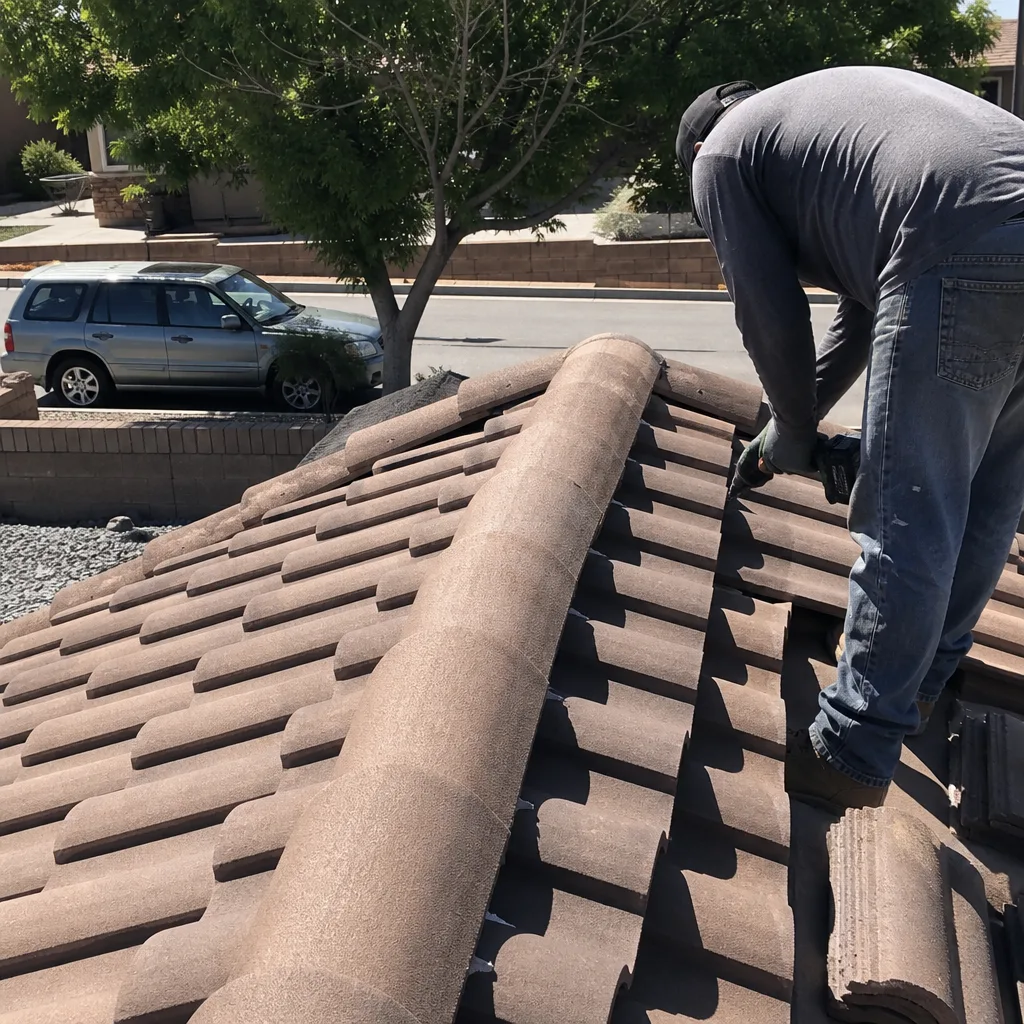
See the difference
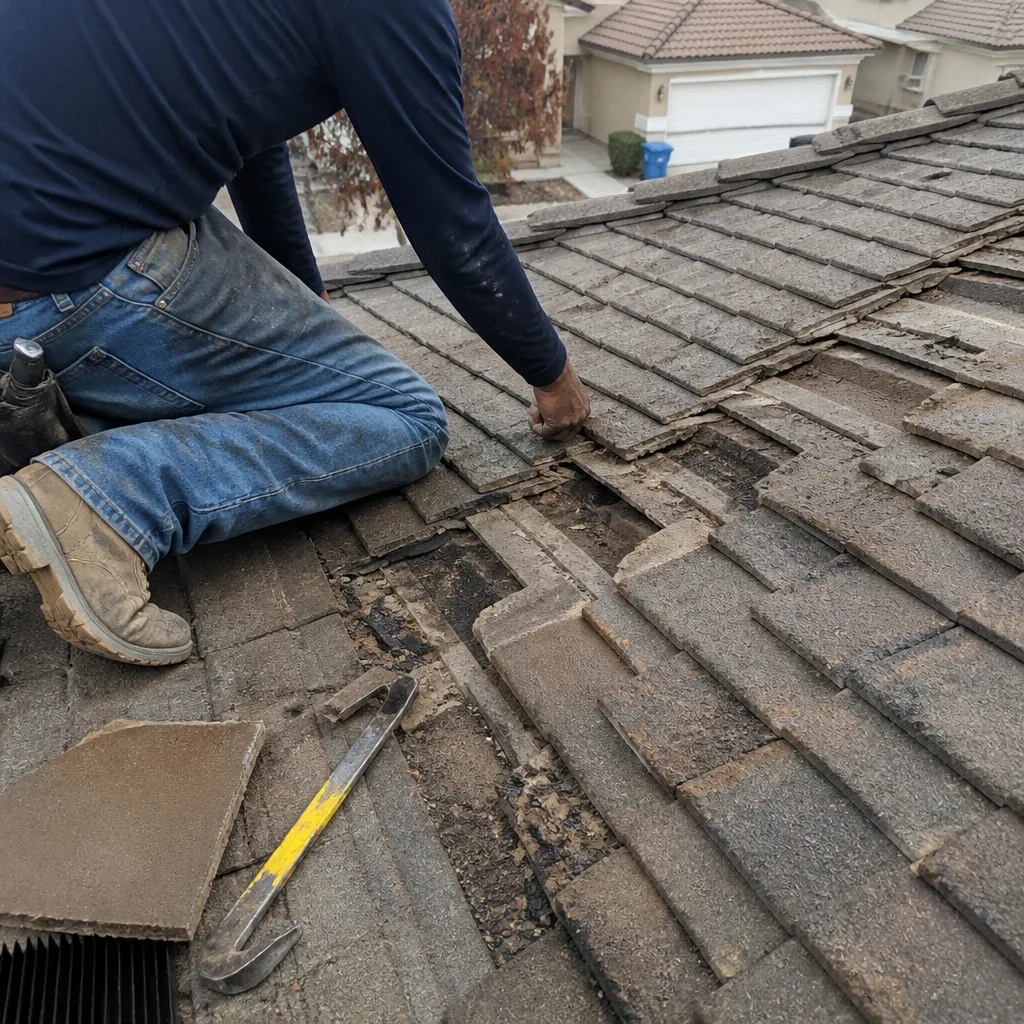 Before
 After
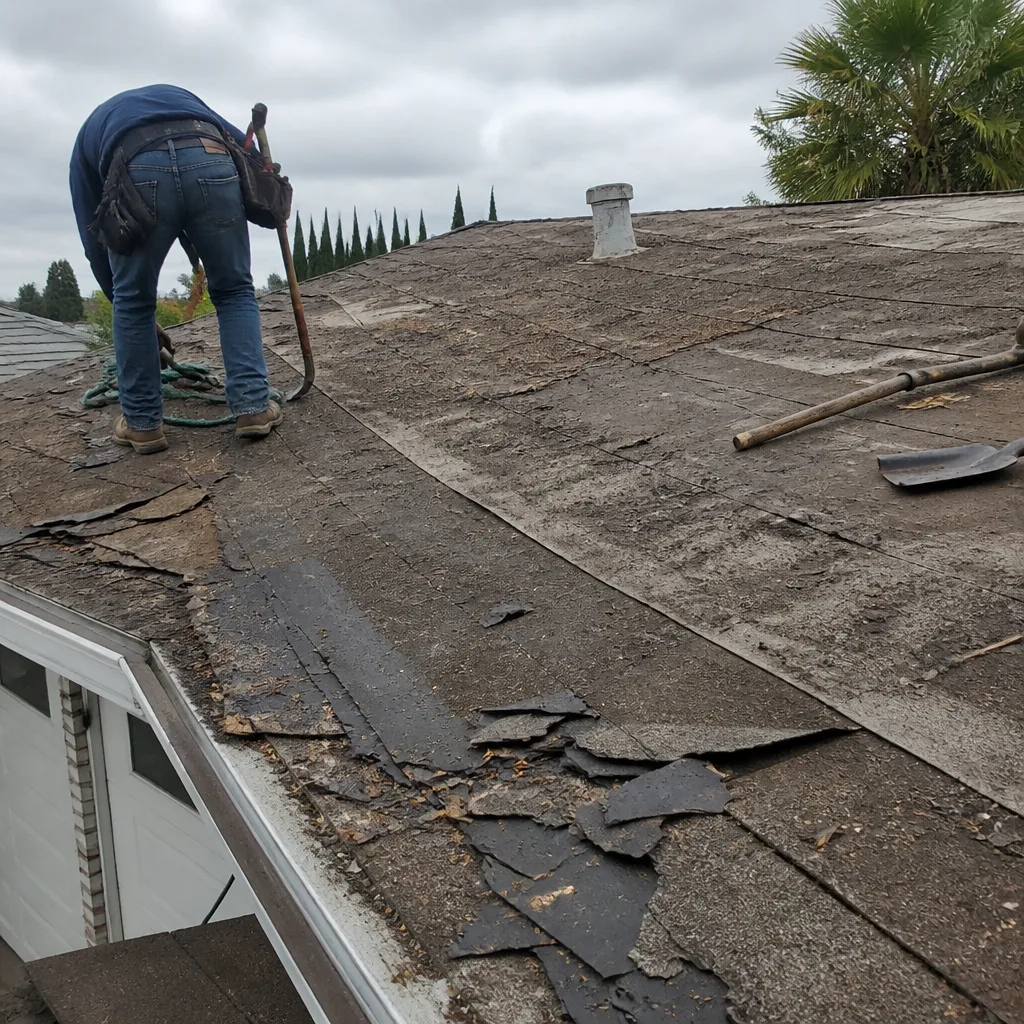 Before
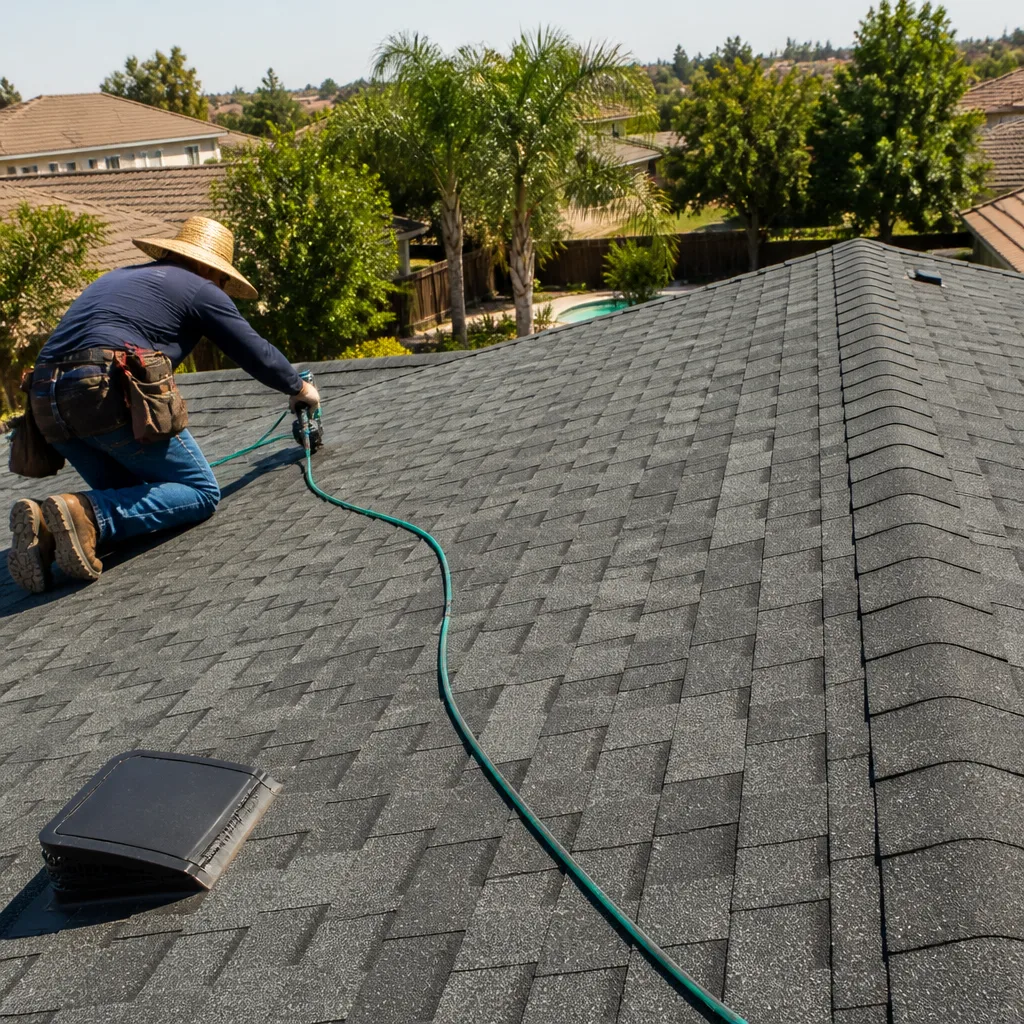 After
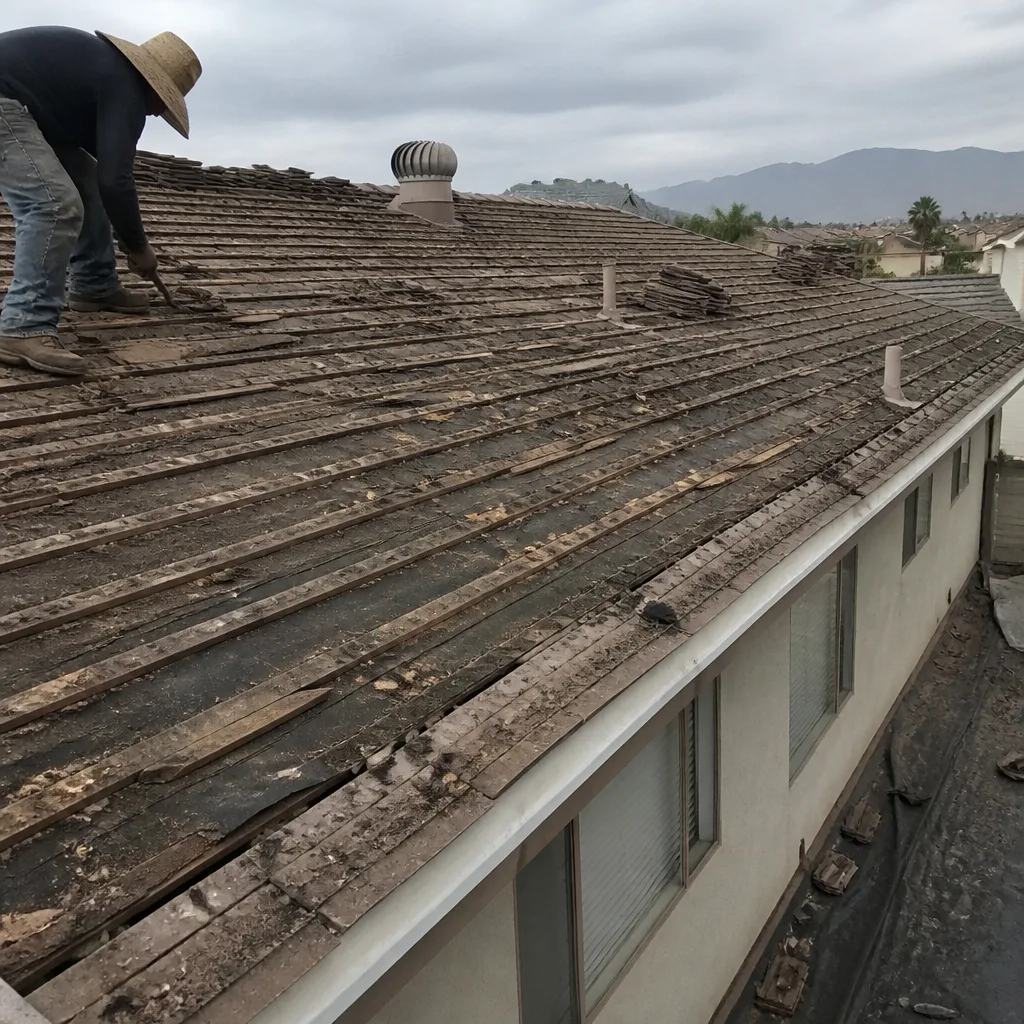 Before
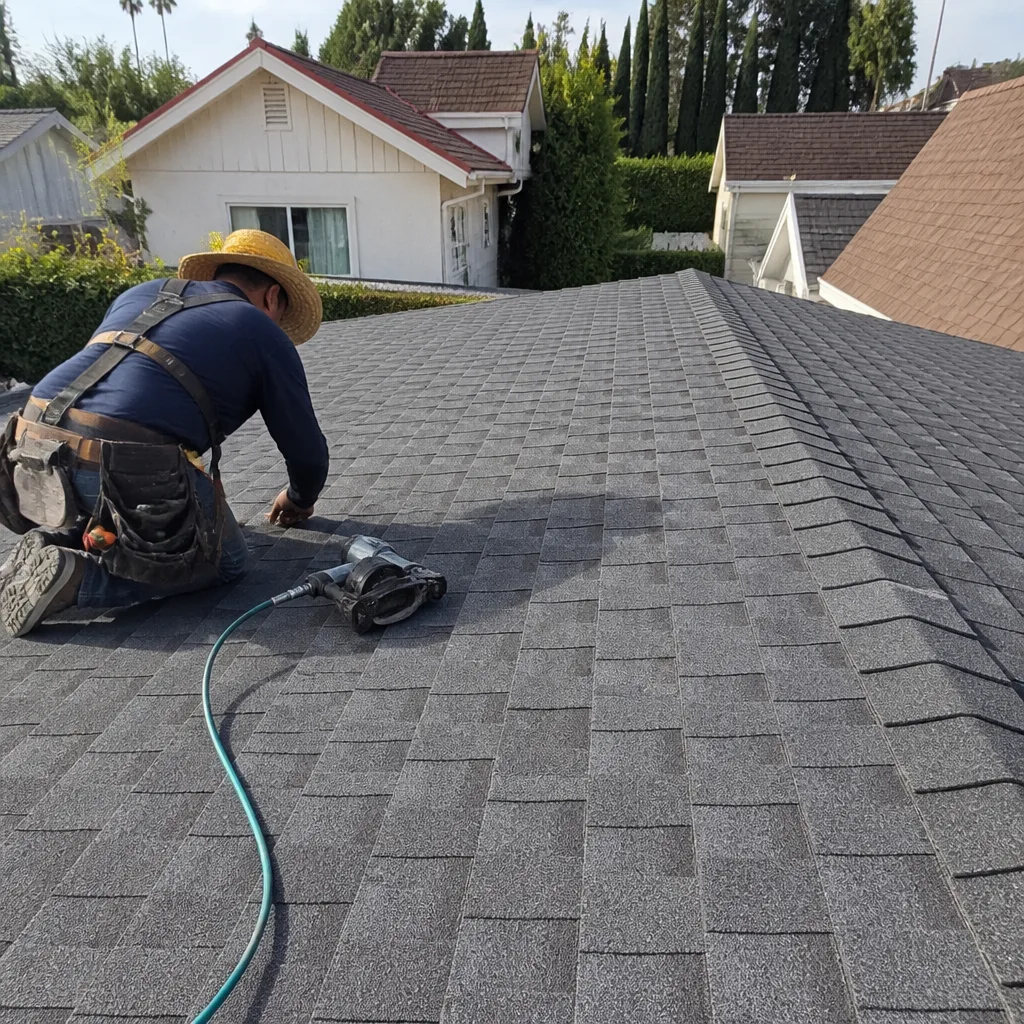 After
Common Roof Replacement Problems We See in Koreatown Homes
- UV-baked membranes and tile underlayment: Koreatown’s long dry summers cook flat and low-slope roofs relentlessly. By the time leaks show up on a ceiling, the membrane or underlayment is usually far past its service life.
- Santa Ana wind damage at parapet edges: Dry-season wind events lift lightweight edges and parapet flashing on roofs that have lost their flexibility. We see this most on 1980s and 1990s buildings along the major corridors.
- Party-wall flashing failures: When one side of a shared party wall is re-roofed without coordinating with the adjacent building, the flashing point where the two roofs meet becomes the weak link. Leaks traced here are common on Koreatown’s zero-lot-line blocks.
- Exposed decking left overnight: Because there’s no room to stage materials on a typical Koreatown site, we’ve seen other crews tear off a roof and leave the decking open. Rain or theft risk follows. We schedule tear-off and decking for the same day on every Koreatown job.
Pricing for Roof Replacement in Koreatown, CA
Koreatown roof replacement pricing is shaped as much by access as by square footage. A small flat roof on a fourplex with alley staging might run $18,000 to $30,000. A larger apartment or condo building with TPO and significant decking replacement runs $30,000 to $55,000. New construction and podium-deck work starts around $22,000 and can exceed $60,000 for large mixed-use structures. The crane time, bagged debris removal, and the extra labor of working a zero-lot-line site with no ground storage all factor into the number. We give written line-item quotes so you see exactly what’s driving the price. Call (855) 382-1073 for a free estimate on your Koreatown building. We’ll tell you if a repair is enough before we ever talk replacement.
We Also Serve Cities Near Koreatown
Barnwood Roofing handles Roof Replacement in Koreatown and the surrounding neighborhoods. Our crews work regularly in Los Angeles, Echo Park, Silver Lake, and Hollywood. Each area has its own housing stock and access challenges, from Hollywood Hills hillside lots to Echo Park’s steep streets, and we plan every job around what the site actually gives us to work with.
Serving Koreatown, CA — Our Local Coverage Area
We’re based in the Koreatown area and know this community well. Use the map below to see our service coverage — if you’re nearby, we can almost certainly help.
FAQs About Roof Replacement in Koreatown
We stage entirely from the rear alley or a single driveway, hoisting materials over the building by crane or motorized hoist. Tear-off debris gets bagged and lowered the same day because there’s no space to hold a dumpster on site. That’s the Koreatown norm, and we quote for it from the start rather than discovering the access problem mid-project. Call (855) 382-1073 to walk through your building’s specific access.
Yes, and we handle it. When a re-roof touches a shared party wall, we issue written notice to the adjacent owner before tear-off begins. The flashing where two roofs meet at a party wall is the most leak-prone detail on Koreatown’s zero-lot-line blocks, and coordinating with the neighbor means the transition gets done right and doesn’t create a future leak for either building. We’ve done this on fourplexes off Western and Olympic, and we handle the communication so you don’t have to.
Mechanically-fastened or fully-adhered TPO, mod-bit, and properly underlaid low-slope systems are the standard for Koreatown’s multi-story apartment and condo stock. The right choice depends on deck type, roof traffic, building height, and budget. We compare systems across our manufacturer partners and recommend what actually fits the building. A 1990s stucco condo with a concrete podium deck needs a different assembly than a 1920s fourplex with an original wood deck.
Koreatown’s intense summer UV and long dry season mean membrane and tile underlayment fail faster here than in coastal neighborhoods, and it means we choose materials with strong UV resistance and high-reflectivity options where appropriate. We also schedule tear-off and decking to be done the same day whenever possible, so an exposed deck is never sitting through the heat of a dry-season afternoon or the occasional overnight. The right material, installed at the right time, lasts longer.
Yes. On a 1920s Spanish Colonial fourplex off Western near Olympic, we re-roofed a rolled low-slope over a shared party wall with no on-site staging, hoisting every square of Boral-compatible underlayment and membrane over the parapet from the rear driveway. We then reinstalled the parapet flashing and drip edge to match the original clay tile lines. Because the party wall was shared, we issued written notice to the adjacent owner before tear-off, and finished tear-off and decking in one day. Matching older tile profiles takes sourcing effort, but we do it because tearing off a building’s original character with the old roof is the wrong trade. Call (855) 382-1073 for a quote that respects the building you actually have.
If your Koreatown building needs a roof, call Barnwood Roofing at (855) 382-1073 for a free estimate. We’ll inspect first, give you an honest recommendation, and if replacement is the right call, we’ll plan it for the realities of your site: the alley, the party walls, the zero-lot-line staging. Ruben Calloway and the crew know this neighborhood’s buildings, and we’ll treat yours like it’s our own.
Written by Ruben Calloway, Owner at Barnwood Roofing, serving Koreatown and the greater Los Angeles area.