Last updated October 30, 2026
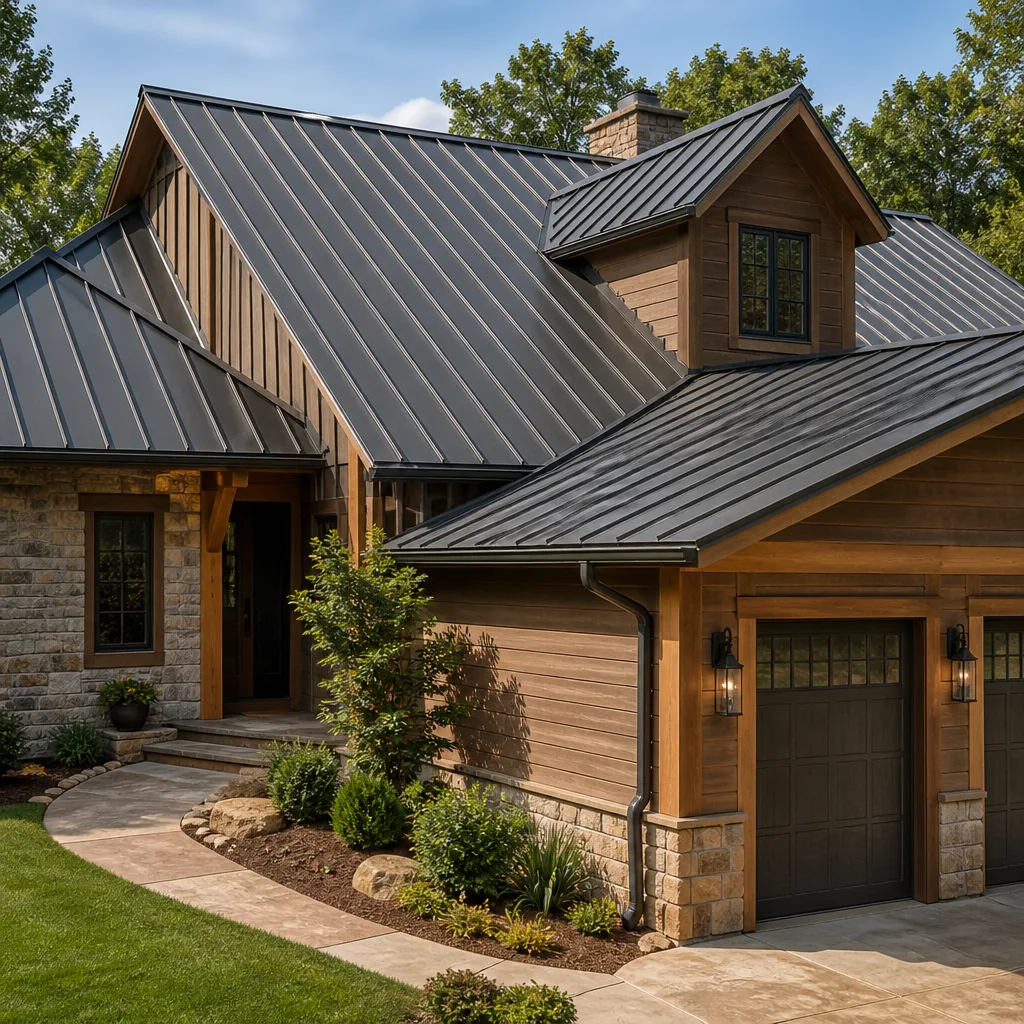 Metal roofing
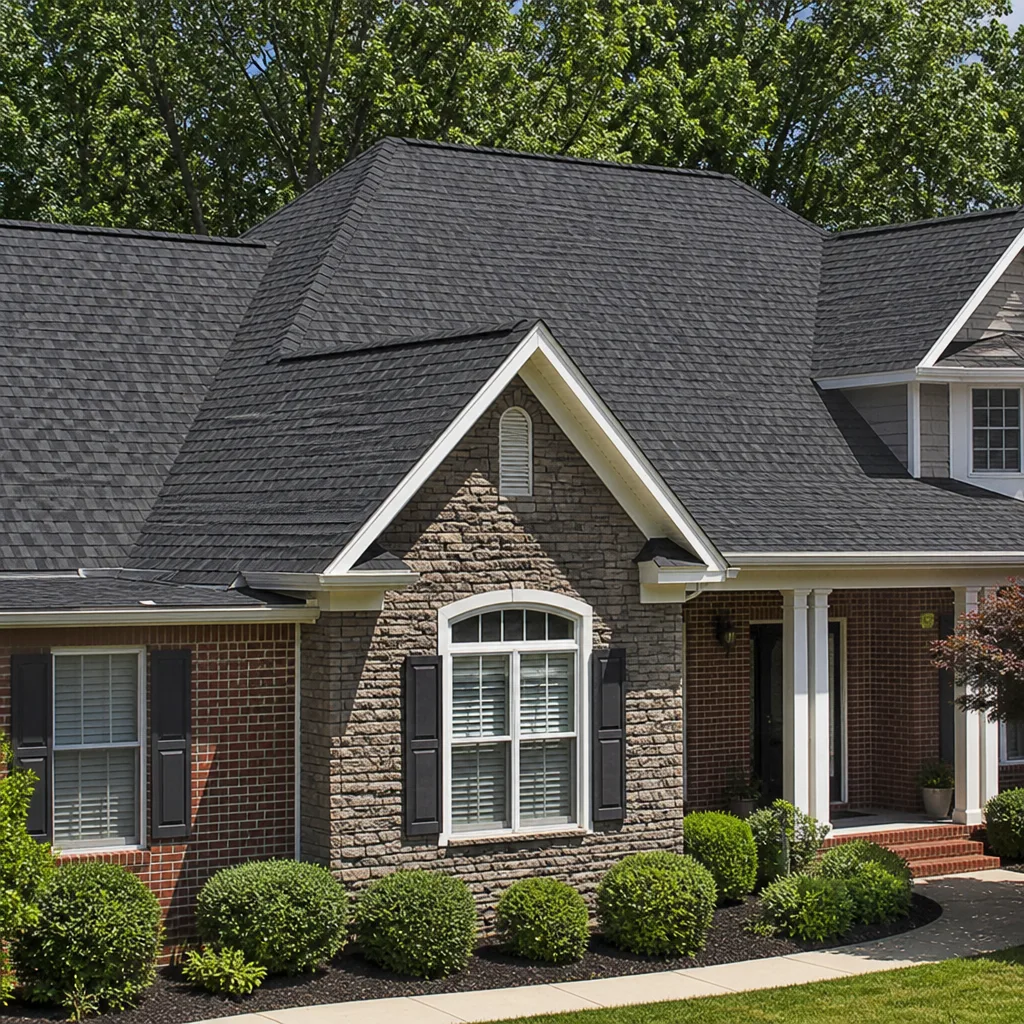 Architectural shingles
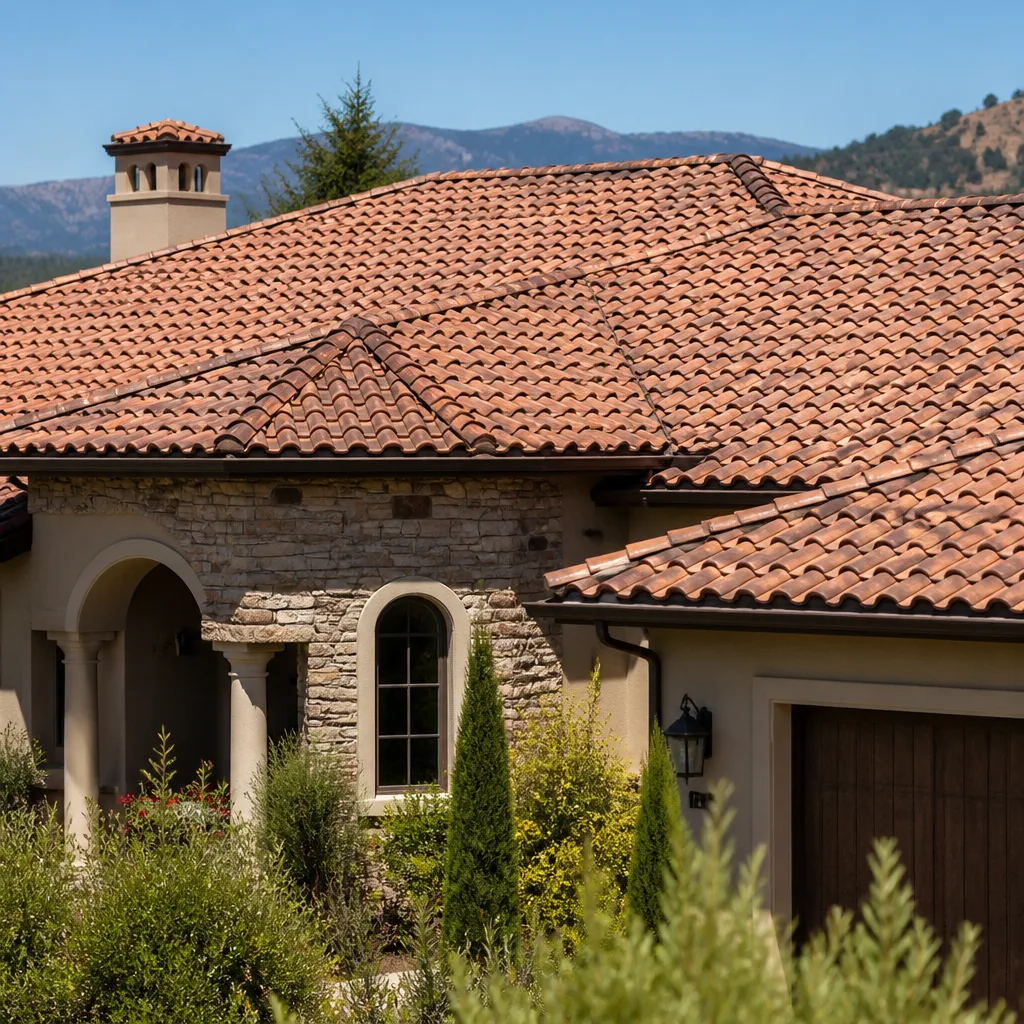 Tile roofing
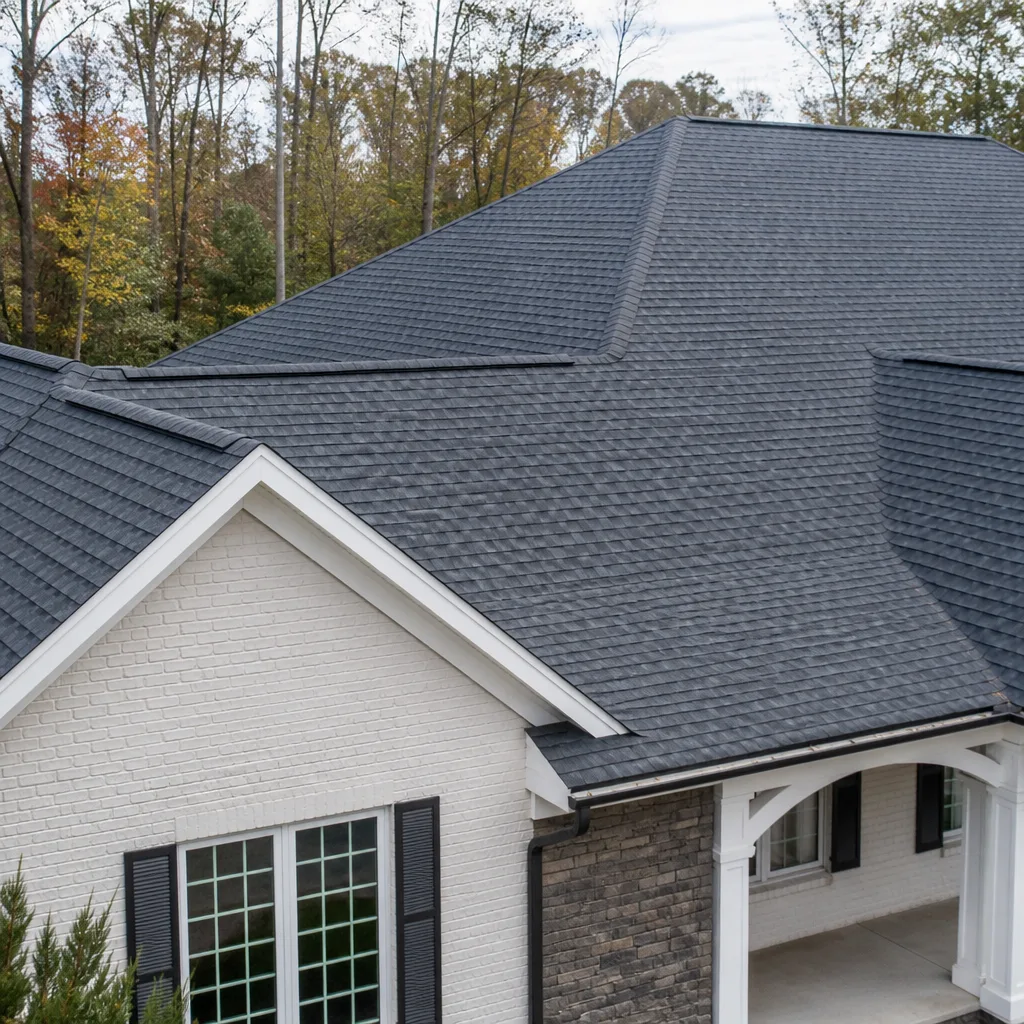 GAF
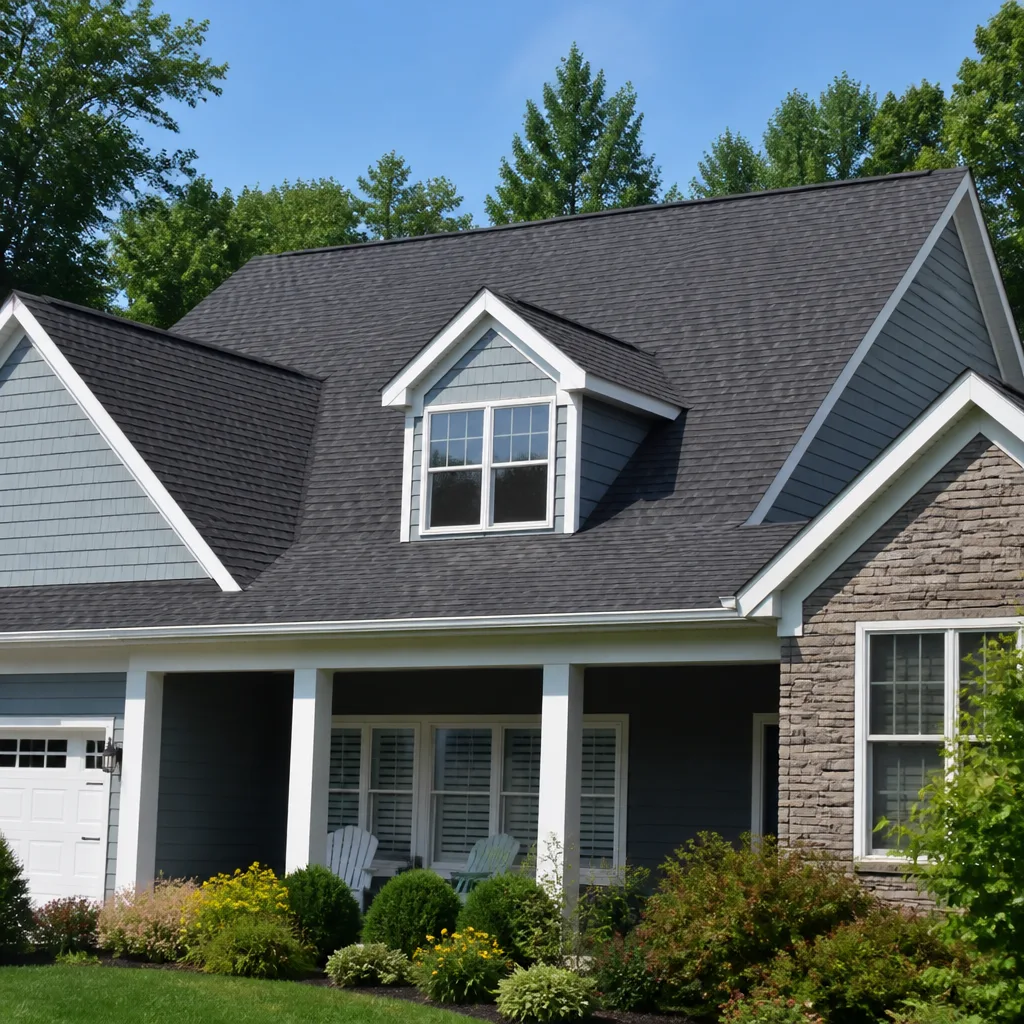 Owens Corning
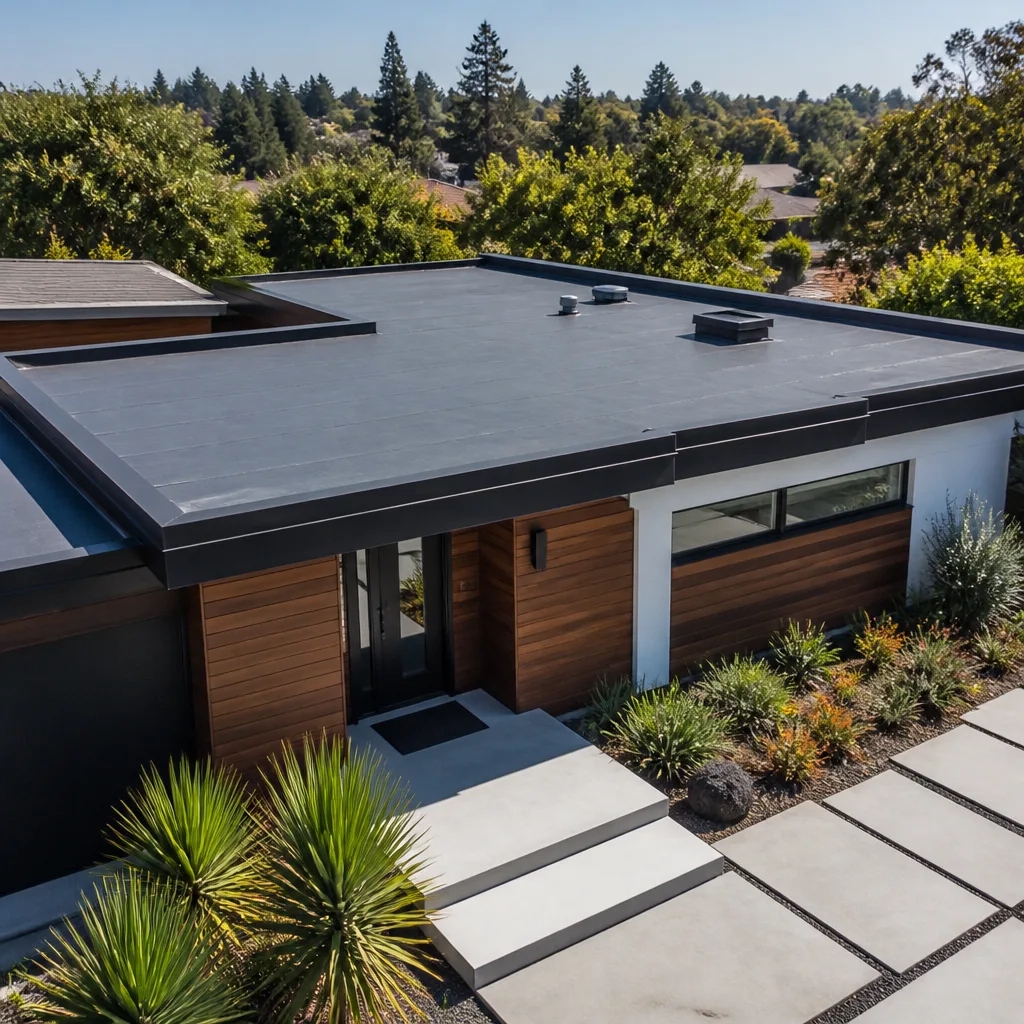 Flat & low-slope
Free roof inspection with deck photos before we talk money - GAF and Owens Corning certified installation
DIY vs Professional Roofing: The Fontana Homeowner’s Decision Guide
You can legally install your own roof in California as a homeowner-occupant. You can also unknowingly void a 30-year manufacturer warranty by using the wrong sealant on a single flashing joint. In Fontana, where summer temperatures regularly push past 105°F and Santa Ana winds scrape across the northern edge of the city, a roof that isn’t installed to manufacturer spec doesn’t just cost you warranty coverage, it costs you real money in energy loss and premature material breakdown. This guide lays out the actual legal, financial, and practical boundaries between what a Fontana homeowner should tackle and what should go to a pro; for more guides & resources, see our blog. We’ll cover permit requirements, warranty language, realistic costs, and the specific repairs where DIY genuinely makes sense.
Quick Answer
DIY roofing in Fontana is legal for homeowner-occupants under California law and makes sense for minor repairs like gutter reattachment, small flashing caulking jobs, and occasional single-shingle replacement. But full roof replacements, structural repairs, and any work affecting manufacturer warranty coverage should be handled by a licensed professional, both to protect your investment and to avoid liability issues when you eventually sell the home.
Styles & brands we work with
Table of Contents
- What California Law Actually Allows Homeowners to Do
- The City of Fontana Owner-Builder Permit Process
- How DIY Work Voids Manufacturer Warranties
- What DIY Actually Saves on a Fontana Home
- Repairs That Are Genuinely Appropriate for DIY
- Selling a Home with Unpermitted DIY Roof Work
- What to Look for When Hiring a Fontana Roofing Contractor
- Common Mistakes to Avoid
What California Law Actually Allows Homeowners to Do
California Business and Professions Code Section 7044 exempts homeowner-occupants from the contractor licensing requirement when working on their own residence. This means you do not need a C-39 roofing license to roof your own home in Fontana, provided you live there and aren’t building it for sale or rental within a year of completion. The exemption is real, and it’s broader than most homeowners realize.
Here’s what the homeowner exemption covers:
- Full roof replacement on a primary residence you occupy
- Repair and maintenance of any roofing components, including underlayment, flashing, and shingles
- Minor structural repairs to roof decking as part of a reroof project
- Installation of solar mounting hardware, provided it’s part of your own roofing project
What it does not cover:
- Work on a home you intend to sell within one year of completion, unless you complete the owner-builder disclosure forms and hold the property for at least one year
- Roofing a rental property or secondary dwelling you don’t occupy as your primary residence
- Hiring unlicensed workers to do the work for you while claiming the homeowner exemption, this is illegal contracting
In Fontana specifically, the city enforces California Building Code Title 24 and the city’s own amendments. The city requires a building permit for any roof replacement that involves removing more than 50% of the existing roofing material, any structural repair, or any change to the roof’s design or load. A simple patch job replacing a few shingles does not require a permit, but a full tear-off and reroof absolutely does.
The City of Fontana Owner-Builder Permit Process
If you decide to do the work yourself, you’ll go through Fontana’s owner-builder permit process at the city’s Building and Safety Department on Sierra Lakes Parkway or via the city’s online portal. The process is straightforward but requires paperwork you shouldn’t skip.
Here’s the step-by-step sequence:
- Complete the owner-builder verification form. This confirms you own and occupy the property. Fontana requires a copy of your deed or property tax bill.
- Submit a roof plan. For a reroof, this means documenting the roof’s dimensions, pitch, number of layers being removed, new material type, and ventilation calculations.
- Pay the plan check and permit fees. Fontana’s reroof permit fees for a typical single-family home generally run $80 to $250 depending on square footage and number of inspections required. Exact fees change with the city’s fee schedule, so verify before budgeting.
- Schedule inspections. A reroof typically requires two inspections: one for underlayment and nailing, a second for the completed installation. Some jobs require a third if foam insulation or structural repairs are involved.
- Pass final inspection. The inspector verifies materials, fastening, and compliance with the approved plan. Once passed, the permit closes and becomes part of the city’s permanent record.
A note about Fontana inspections: city inspectors here are familiar with the local wind conditions and will flag insufficient fastening for high-wind zones along the northern foothills. If you’re DIYing in the Hunter’s Ridge or Sierra Lakes areas, expect closer scrutiny on nail patterns and edge metal. That’s not hostility to homeowners, it’s the city applying the same standard it applies to licensed contractors. If your work doesn’t meet it, you’ll be required to correct it before the permit closes.
How DIY Work Voids Manufacturer Warranties
This is the part most DIY guides skip, and it’s where Fontana homeowners lose the most money. Manufacturer warranties from companies like GAF, Atlas, and Tamko are not automatic guarantees. They’re conditional contracts, and the conditions live in the fine print of the installation instructions.
The four installation requirements DIYers most commonly miss:
- Fastener pattern. Shingle manufacturers specify exact nail placement, typically four nails per shingle in normal zones and six in high-wind zones. Driving nails too high, too deep, or with the wrong gauge puts you outside spec. GAF’s instructions, for example, specify 11-gauge roofing nails with a minimum 3/8-inch head driven flush, not countersunk. Miss this, and the warranty is void on every shingle on that roof face.
- Underlayment overlap. Atlas and Tamko both require specific horizontal and vertical overlap dimensions on synthetic underlayment, typically 4 inches on horizontal laps and 6 inches on vertical laps, with end laps staggered. A first-time installer laying felt in the wrong direction will get it flagged immediately by a manufacturer’s field rep.
- Valley treatment. Open valleys, closed-cut valleys, and woven valleys all have pros and cons, but whatever you choose must match the manufacturer’s approved method for the specific shingle line you bought. Mixing methods or improvising a hybrid valley is a common DIY error that voids warranty coverage on the entire valley area.
- Ventilation balance. This one surprises people. Shingle warranties require proper attic ventilation at a ratio of 1:150 or 1:300 depending on vapor barrier use. If your attic doesn’t meet that ratio, the shingle warranty is reduced or voided, regardless of how well the shingles were nailed.
The other warranty trap is sealant choice. Flashing joints, pipe boots, and edge metal need specific sealant types. Many DIYers grab a tube of silicone or acrylic caulk from the big box store. Acrylic caulk breaks down under Fontana’s UV exposure within two years. Silicone works but can’t be painted and fails over time where it meets metal. Manufacturer-approved polyurethane or butyl-based sealants are what the warranty expects. Use the wrong product and a leak at that joint won’t be covered, even if the shingle installation was flawless.
Barnwood Roofing works with seven major brands, including GAF, Atlas, and Tamko, specifically because each manufacturer’s warranty requirements are slightly different. When we install, we follow the specific brand’s installation instructions to the letter because that’s what keeps the warranty intact for the homeowner. A DIYer has to learn these requirements from scratch and execute them perfectly on day one.
What DIY Actually Saves on a Fontana Home
Let’s get specific. Many homeowners assume DIY saves them the entire labor cost. The real number is smaller, and in some cases, close to break-even once you account for everything.
Here’s a realistic breakdown for a 1,500 square foot single-story Fontana home with a simple gable roof, using architectural shingles:
- Professional quote range: $9,500 to $14,000 including tear-off, disposal, materials, labor, and permit
- DIY material cost: $3,800 to $5,200 for shingles, underlayment, fasteners, sealants, and edge metal at retail pricing
- DIY equipment and disposal: $600 to $1,100 for a dumpster rental (Fontana rates run $400 to $650 per 10-yard bin), roofing nail gun rental, compressor, and safety harness
- DIY permit and inspection fees: $80 to $250
- Total DIY out-of-pocket: $4,480 to $6,550
So the raw dollar savings ranges from about $3,000 to $7,500 depending on where the professional quote landed. That’s a real number. But it comes with a few asterisks:
- Material markup difference. Professional contractors buy shingles at wholesale pricing, which is typically 15% to 30% below retail. A $2,800 retail shingle package costs a pro closer to $2,100. Your savings are partially offset by paying retail.
- Mistakes cost money. Wrong nail spacing means pulling and redoing a section. A misjudged valley means buying more material. A first-time roofer should budget 10% to 15% overage for waste and errors, where a pro’s waste factor is under 5%.
- Time is money. A roof that takes a pro crew three days will take a competent DIYer two to three weekends. If you’re taking time off work, the opportunity cost eats into the savings quickly.
- Warranty value. A manufacturer warranty on a professionally installed roof can be worth thousands if a defect appears. A DIY install gets no manufacturer warranty on labor issues and often no warranty at all if a subtle installation error is discovered.
The honest assessment: DIY on a simple gable roof saves real money. On a complex roof with multiple valleys, steep pitches, or a second story, the savings shrink and the risk climbs steeply. In our experience, homeowners in Fontana’s older neighborhoods like Southridge and West End frequently have roofs with two or three additions from different eras, and those transitions are where DIY projects go sideways.
Repairs That Are Genuinely Appropriate for DIY
Not every roofing task requires a permit, a license, or a pro. There’s a narrow but legitimate band of repairs a competent Fontana homeowner can handle safely and correctly, and our Roof Repair Maintenance Checklist for Fontana Homeowners covers what to watch for.
Here’s what falls inside that band:
- Gutter reattachment and replacement of gutter brackets. This is sheet metal work, not roofing, and it’s low-risk from a waterproofing standpoint. If a section of gutter has pulled away from the fascia, re-securing it with proper mounting straps is a reasonable DIY task.
- Small flashing caulking jobs. A hairline crack in the sealant around a pipe boot or chimney flashing can be cleaned and re-sealed with a polyurethane or butyl sealant. The key is using the right product from the start, not silicone, and not layering new caulk over old without removing it first.
- Single-shingle replacement. If a single shingle has torn or blown off and the underlayment below is intact, replacing it is manageable. You’ll need to carefully lift the shingle above it, remove the damaged shingle’s nails, slide the new one in, and re-nail in the correct pattern. Match the shingle brand and color as closely as possible. Atlas and Tamko both sell individual bundles at Fontana building supply yards.
- Roof surface cleaning. Fontana’s dry climate makes algae less of a problem than coastal areas, but debris accumulation in valleys and behind chimneys is common. Clearing leaves and branches with a leaf blower or soft brush is safe and prevents water backup. Never use a pressure washer on asphalt shingles, it strips the granule layer and voids warranties.
The common thread across all four: none of these tasks affect the roof’s structural waterproofing on a large scale, none require a permit, and a mistake is visible and correctable without tearing into the roof deck.
What doesn’t belong on the DIY list: anything involving roof deck repair, underlayment replacement, valley reconstruction, skylight flashing, or chimney cricket installation. Those tasks expose the home’s interior to water damage if done incorrectly, and the cost of fixing a botched version far exceeds the cost of hiring a pro from the start.
Selling a Home with Unpermitted DIY Roof Work
This is the conversation almost nobody has before grabbing a nail gun, and it surfaces at the worst possible moment: escrow closing. Most Fontana residential sales use the standard California Association of Realtors purchase agreement, which requires the seller to disclose all unpermitted work on the property.
Here’s what happens when an unpermitted DIY roof shows up during a sale:
- Disclosure requirement. You must disclose that roofing work was performed without a permit. Failing to disclose is misrepresentation and creates liability for years after the sale closes.
- Buyer’s inspection. A trained home inspector will flag the lack of a roofing permit. They’ll note it on the inspection report, and the buyer’s lender will likely require it to be addressed before funding.
- Title search. Title companies pull city permit records as part of the escrow process. An unpermitted roof will not appear, which paradoxically signals that work was done without approval when the roof’s condition doesn’t match the home’s age.
- The fix. The seller is typically required to obtain a retroactive permit, which means an inspection by the city. If the city inspector finds code violations, you’re paying to correct them at escrow pace, not your own.
The practical consequence: DIY savings at the time of the project can evaporate at sale time. A buyer’s lender may require the roof to be inspected and permitted before closing, and the timeframe is dictated by the escrow calendar, not your convenience. Some Fontana sellers have ended up paying for a full professional reroof at the eleventh hour because the DIY work from five years earlier didn’t pass inspection.
This isn’t an argument against DIY. It’s an argument for doing DIY work with a permit when a permit is required. The owner-builder permit process exists for a reason: it verifies the work meets code, which protects you as much as the next buyer. If you’re going to do a full reroof yourself, do it permitted. The permit cost is trivial compared to the escrow liability.
What to Look for When Hiring a Fontana Roofing Contractor
If you’ve read this far and decided professional is the right call for your situation, the next question is how to hire a roofing contractor in Fontana. Fontana has dozens of roofing contractors, and the differences between them matter more than the price spread.
Here’s what separates a contractor worth your time from one that will create problems:
- Inspection first, recommendation second. A contractor who offers a roof inspection in Fontana as a standalone service, without requiring you to commit to repair or replacement, is signaling confidence in their own assessment. A contractor who only “inspects” as a setup for a replacement pitch isn’t inspecting, they’re selling.
- Multi-brand access. A shop that only installs one brand will always recommend that brand, regardless of whether it’s the best fit for your home. When we evaluate a Fontana roof, we’re choosing from seven manufacturer lines, and the recommendation is based on the home’s pitch, exposure, and the homeowner’s budget, not on what’s already in the warehouse.
- Repair capability. Many roofing companies in Fontana only do replacements. They have no financial incentive to tell you a $400 repair would buy you five more years. A contractor that does roof repair in Fontana as a core service will give you an honest answer about whether repair or replacement makes sense.
- License and insurance verification. California requires a C-39 roofing license for any contractor working on roofs. Insurance is separate and should include workers’ compensation. Ask to see both and verify them with the Contractors State License Board. Any contractor who hesitates on this is not worth the phone call.
- Written estimates with line items. A real estimate breaks down materials, labor, permits, and disposal. A one-line number with no detail is a placeholder that will grow when the job starts.
Our position on roof replacement in Fontana is straightforward: if a repair will buy the roof more time, we’ll say so and quote the repair. If replacement is the right call, we’ll show you options across price points and performance tiers and let you choose.
Common Mistakes to Avoid
- Using the wrong sealant on flashing joints. Acrylic caulk breaks down in Fontana’s UV-heavy sun within two years, and silicone can’t be reliably painted or re-sealed. Use polyurethane or butyl-based products specified for roofing.
- Assuming a permit isn’t required. A full reroof requires a Fontana building permit. Doing it unpermitted creates a liability you carry until the day you sell, and it surfaces at escrow.
- Nailing shingles by “feel” instead of by spec. Manufacturer fastener patterns exist because they work. Nails too high, too deep, or too few void the warranty and create wind-lift failures in Fontana’s Santa Ana season.
- Layering a new roof over an old one without checking code. California allows a maximum of two roofing layers. If you’re adding a third, you’re out of compliance and will need a tear-off when the city or a buyer’s inspector catches it.
- Ignoring ventilation. Shingle warranties require adequate attic ventilation. A roof that looks great but cooks the shingles from below will fail early, and the warranty won’t cover it.
- Buying the cheapest shingles to save money. The price difference between basic three-tab and architectural shingles on a 1,500 square foot home is roughly $800 to $1,200. Architectural shingles last 10 to 15 years longer in Fontana’s climate. Saving now costs a full replacement later.
See the difference
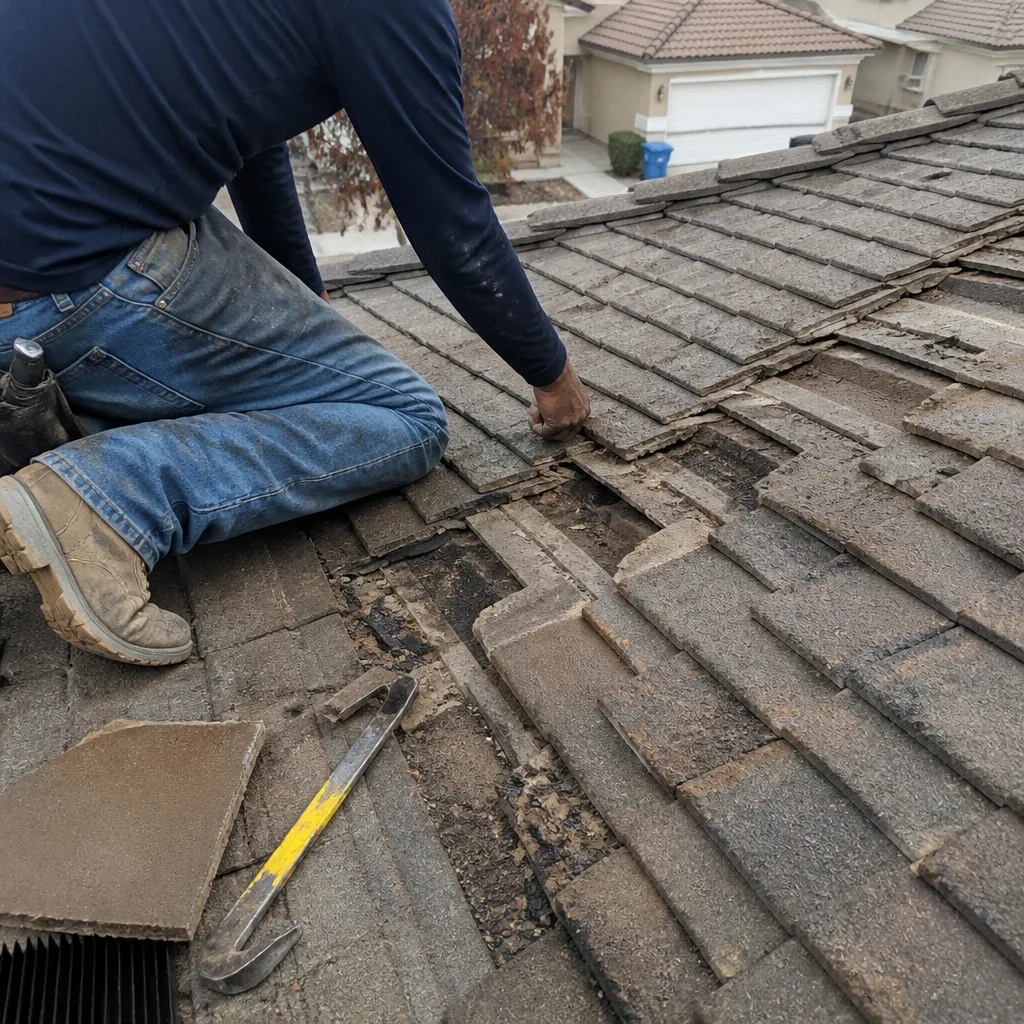 Before
 After
 Before
 After
 Before
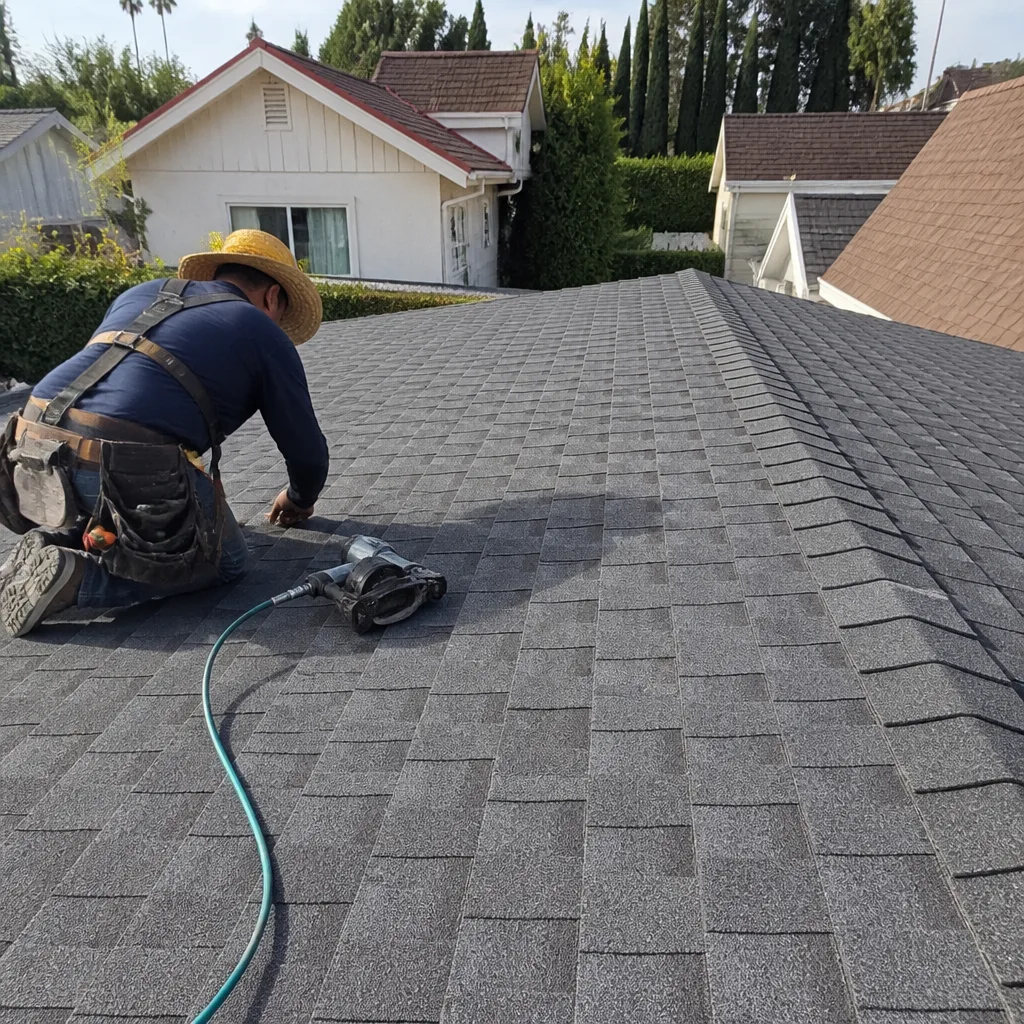 After
When to Call a Professional
Call a professional when any of these apply: the roof has multiple valleys or a steep pitch above 6:12, the decking shows signs of rot or sagging, you’re working on a second story, the job involves a full tear-off, or you’re planning to sell the home within five years. Safety is also a real factor. Working on a roof in Fontana’s summer heat without proper training is dangerous, and falls from roofs remain one of the leading causes of construction fatalities. If the job is more than you’d be comfortable doing with a broken leg, hire someone who does it daily. Barnwood Roofing offers free estimates in Fontana, call (855) 382-1073 to schedule yours.
Frequently Asked Questions
Yes, California Business and Professions Code Section 7044 allows homeowner-occupants to perform roofing work on their own primary residence without a C-39 contractor’s license. You still need a City of Fontana building permit for any reroof involving more than 50% material removal. Call (855) 382-1073 if you want a professional assessment before committing to the DIY route.
A professional roof replacement on a typical 1,500 square foot Fontana home runs between $9,500 and $14,000 for architectural shingles, including tear-off, materials, labor, and permit. Variables include roof pitch, number of layers, deck condition, and material grade. Estimates are free from Barnwood Roofing at (855) 382-1073.
Yes, manufacturer warranties from companies like GAF, Atlas, and Tamko require installation to their exact specifications. Incorrect fastener patterns, underlayment overlap, valley treatment, or sealant products void or reduce warranty coverage. Professional installation by a trained contractor keeps the warranty intact.
Minor repairs like replacing individual shingles, re-sealing flashing, or reattaching gutters do not require a permit. A full reroof, any structural deck repair, or changes to the roof design require a building permit through Fontana’s Building and Safety Department.
Gutter reattachment, small flashing caulking jobs with polyurethane or butyl sealant, single-shingle replacement with matched material, and roof surface debris clearing are reasonable DIY tasks. Anything involving deck repair, underlayment, valleys, or skylight flashing should go to a professional.
Unpermitted roof work must be disclosed on California’s seller disclosure forms. A buyer’s inspector will flag the missing permit, the lender may require retroactive permitting before closing, and any code violations found at that point become the seller’s problem at escrow pace. Permitting your DIY work from the start avoids this entirely.
The Bottom Line
The DIY roofing decision in Fontana isn’t really about whether you can swing a hammer. It’s about three questions: Is the work within the narrow legal and practical band where DIY makes sense? Will the work meet manufacturer warranty standards if it’s a full replacement? Are you willing to carry the escrow liability of unpermitted work when you eventually sell? For minor repairs, a competent homeowner can save real money. For replacements, structural work, or anything touching warranties, a professional is the better financial decision over the life of the roof. Seven brands, one honest recommendation, that’s the standard. Call (855) 382-1073 for a free estimate and we’ll tell you straight whether a repair is enough.
Written by the team at Barnwood Roofing, serving Fontana since 2013.