
Last updated October 30, 2026
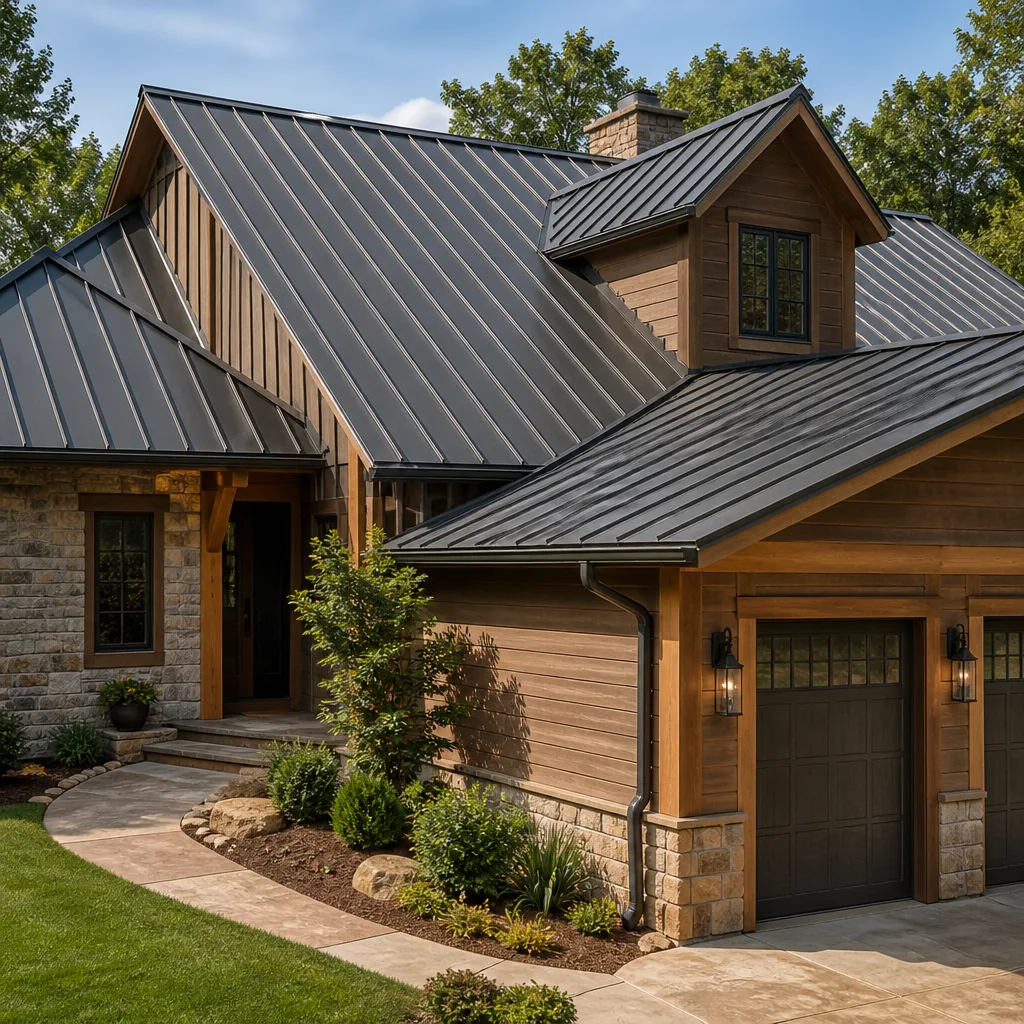 Metal roofing
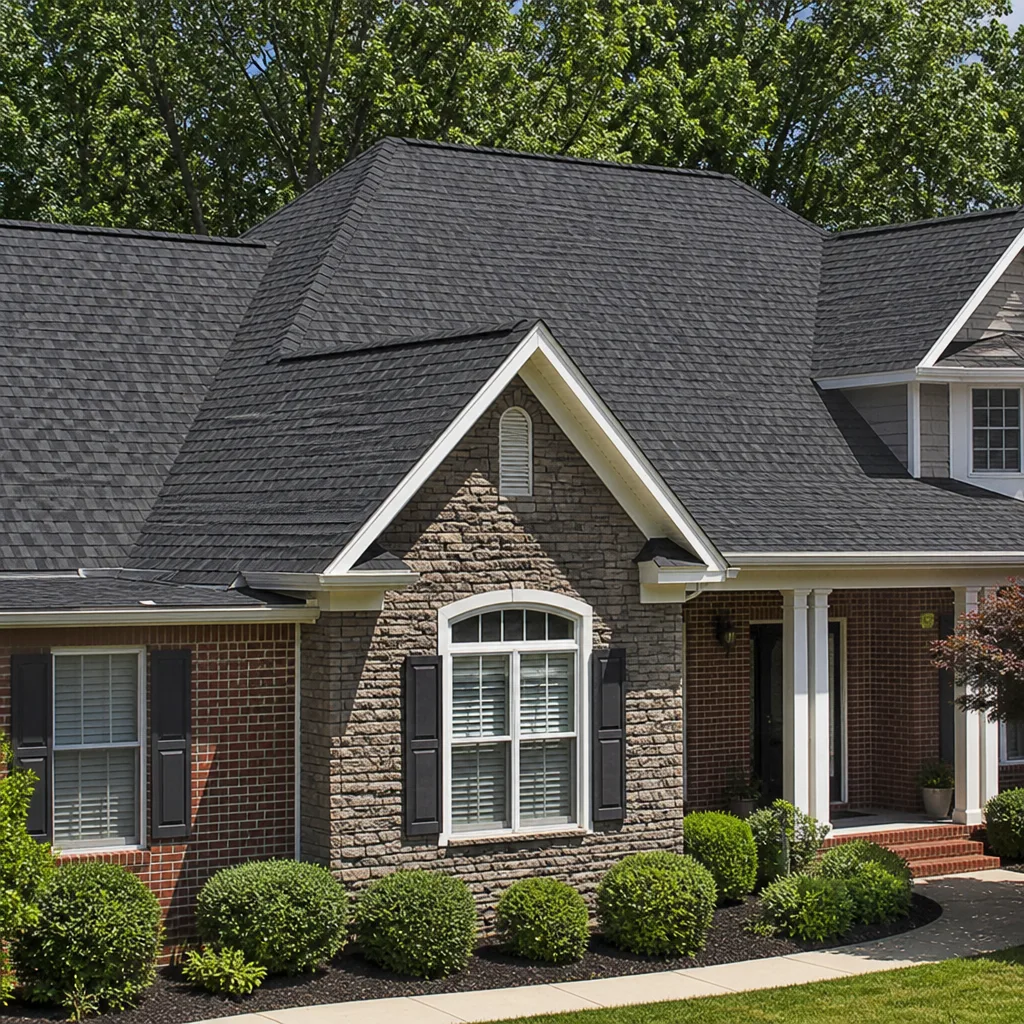 Architectural shingles
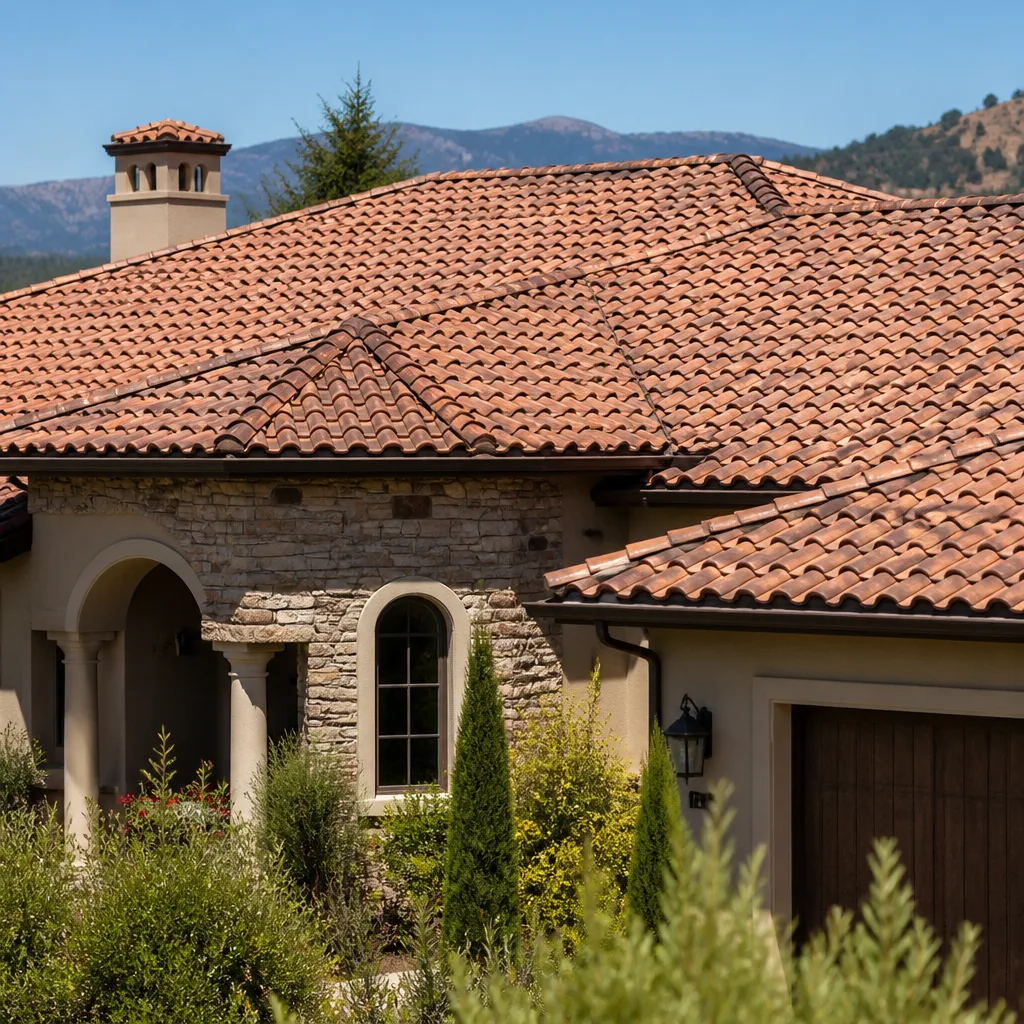 Tile roofing
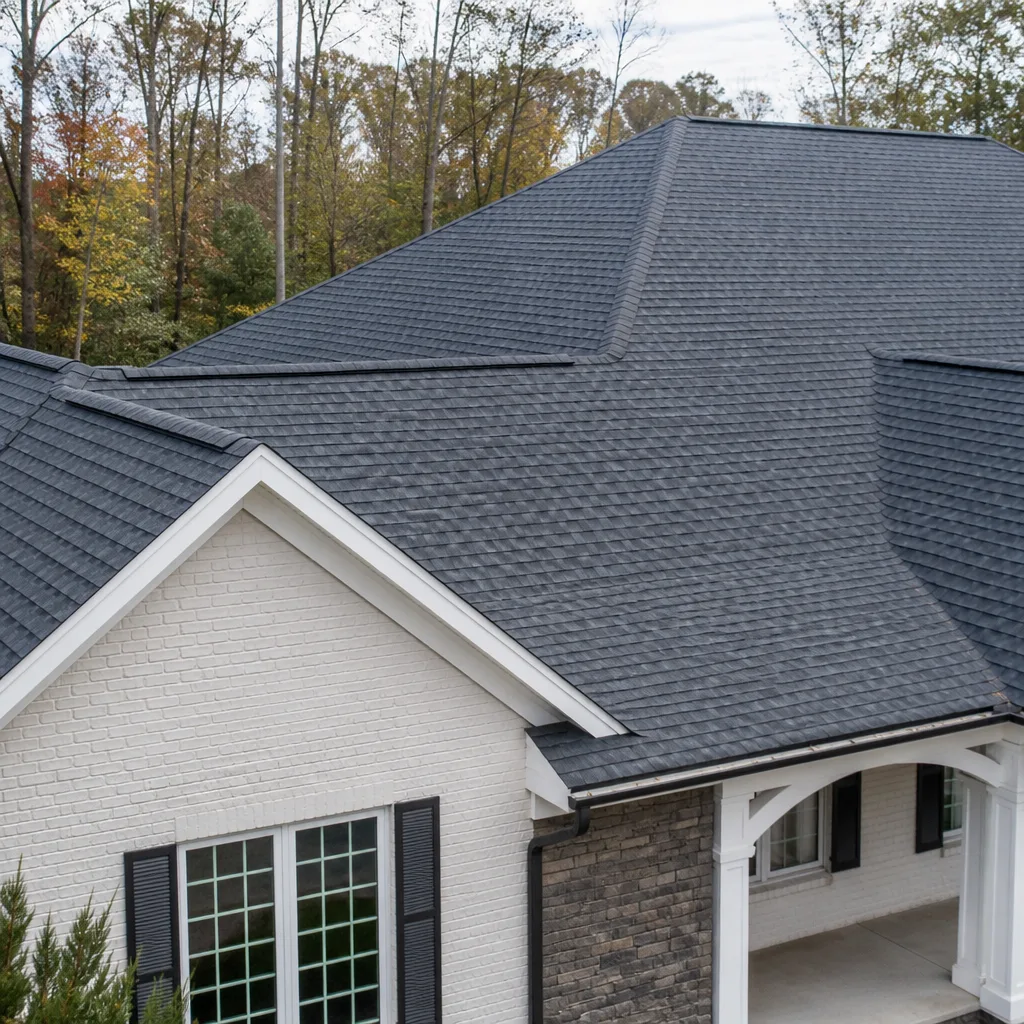 GAF
 Owens Corning
 Flat & low-slope
Free roof inspection with deck photos before we talk money - GAF and Owens Corning certified installation
Roofing Permits, Codes & Inspections in CA: What You Need to Know
Here’s a number that should get your attention: roughly one in four California homes has some form of unpermitted work, and roofing jobs are among the most common offenders. It’s not always a deliberate shortcut. Some contractors tell homeowners a permit “isn’t needed for a simple re-roof,” while others quietly skip the filing to save time and money on their end. The problem lands on the homeowner, not the contractor, when the insurance claim gets denied or the escrow falls apart. This guide covers exactly how California roofing permits work, what inspectors in Fontana look for, how Title 24 energy codes affect your material choices, and what happens if unpermitted work gets discovered later. For Roofing Warning Signs: A Fontana Homeowner’s Reference Guide, see our earlier coverage. We’re writing this from our shop floor in Fontana because we’ve seen too many local homeowners inherit someone else’s paperwork headache.
Styles & brands we work with
Quick Answer
Most residential roof replacements in California require a building permit, and the inspections that come with it are what verify your roof was installed to code. Skipping the permit saves a little money up front but creates insurance, resale, and warranty problems that cost far more to fix later. The permit cost in Fontana typically runs between $200 and $500 for a standard re-roof, depending on project valuation.
Table of Contents
- When a California Roofing Project Legally Requires a Permit
- What a Fontana Building Inspector Actually Checks at Each Stage
- How California’s Title 24 Cool-Roof Rules Affect Your Permit
- Your Legal Right to Inspection Records and How to Use Them
- How Unpermitted Roofing Work Derails a Home Sale
- Step-by-Step: The Fontana Roofing Permit Process
- Common Mistakes to Avoid
- When to Call a Professional
- Frequently Asked Questions
- The Bottom Line
When a California Roofing Project Legally Requires a Permit
California Building Code Section 105.1 is clear: you need a permit for any roofing work that involves structural changes, deck replacement, or the removal and replacement of more than a specified percentage of the roof covering. In practice, that means nearly every full re-roof requires a permit. The threshold most California municipalities use is 25% of the roof area within a 12-month period. Patch a few shingles after a wind storm? No permit needed. Replace the entire roof on a 1,400-square-foot Fontana rancher? That crosses the threshold by a wide margin.
What surprises homeowners is how low that bar sits. A “simple re-roof” isn’t simple to the building department. Once the old covering comes off, the deck is exposed, the underlayment goes down, and the entire assembly has to meet current code, not the code from 1987 when the house was built. That’s the whole point of the permit: it forces the project to meet today’s standards, not yesterday’s.
Here’s the breakdown of when permits are and aren’t required in Fontana and most of San Bernardino County:
- Full roof replacement: Permit required. No exceptions.
- Re-roofing over existing shingles: Generally allowed only if there’s a single existing layer and the structure can handle it. Still requires a permit in Fontana.
- Repairs under 25% of roof area: Usually no permit required, but the repair still has to match existing materials and methods.
- Deck replacement or structural repair: Permit required, and often a separate structural inspection.
- Skylight or roof penetration changes: Permit required if flashing details change.
Some contractors tell homeowners that repairs never need permits. That’s not accurate. A patch job with a bundle of shingles is one thing. But if we’re replacing a whole slope because of storm damage or dry rot, that often crosses the 25% line. The Roof Repair in Fontana work we do always starts with determining whether the scope triggers a permit. We’d rather file one unnecessarily than leave you holding the liability.
What a Fontana Building Inspector Actually Checks at Each Stage
A roofing inspection isn’t one quick walk-through at the end. California re-roofing projects typically require two to three inspection checkpoints, depending on the scope. Understanding what the inspector checks at each stage helps you know whether your contractor is doing the job right, and it explains why the permit process protects you as much as it regulates the work.
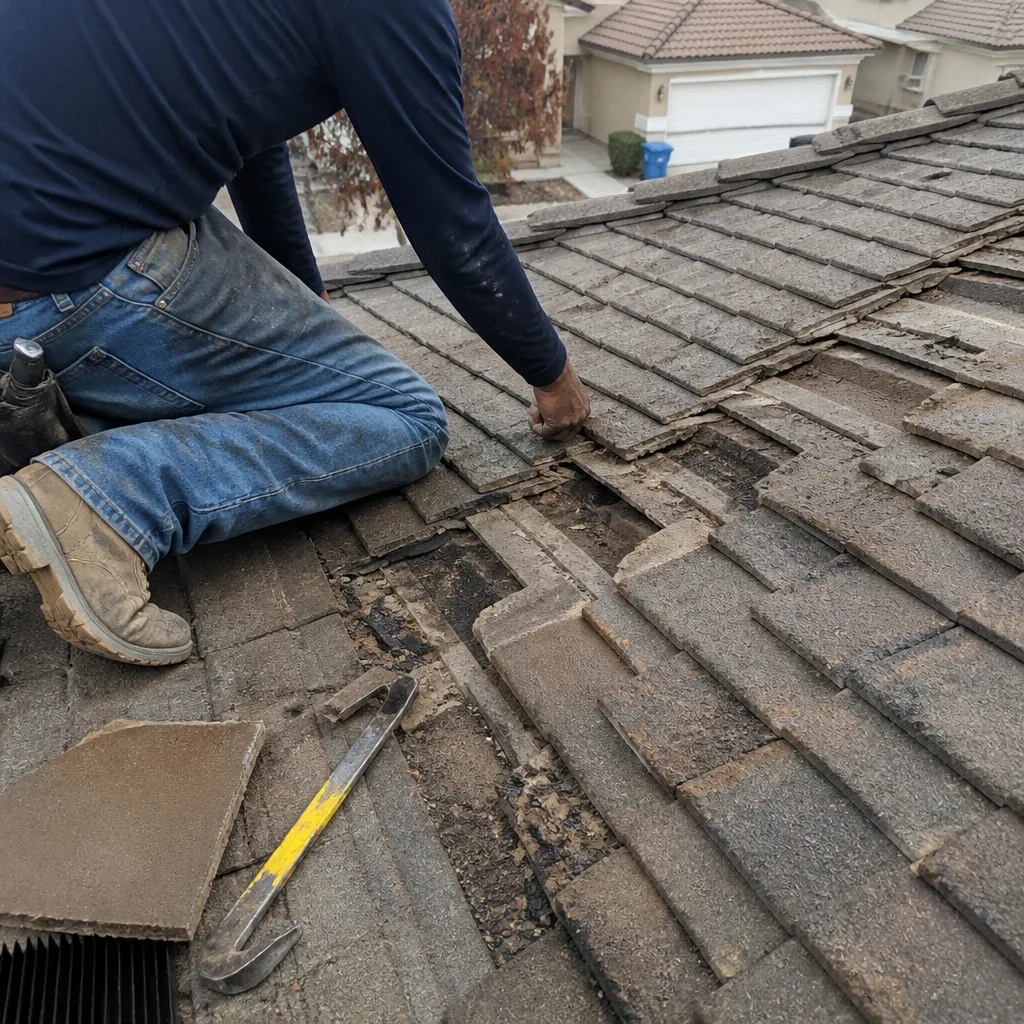
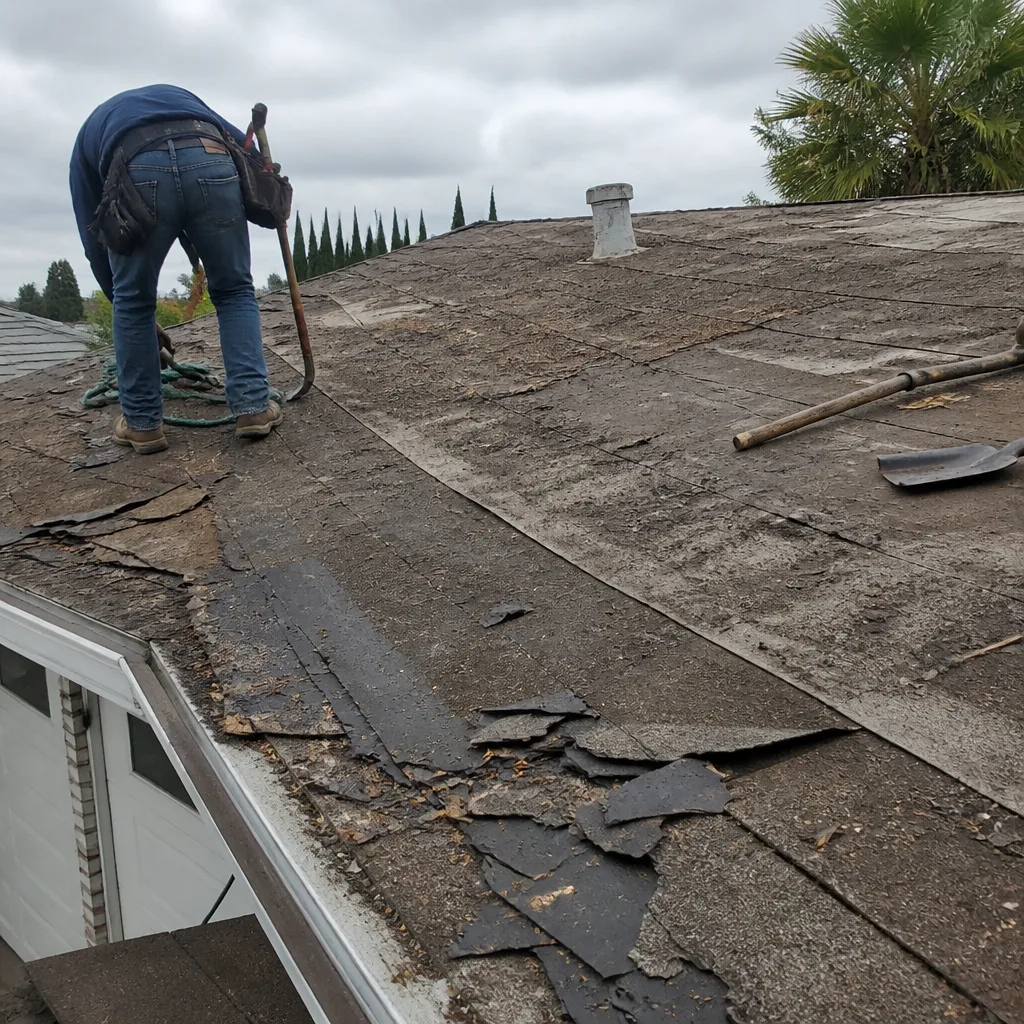
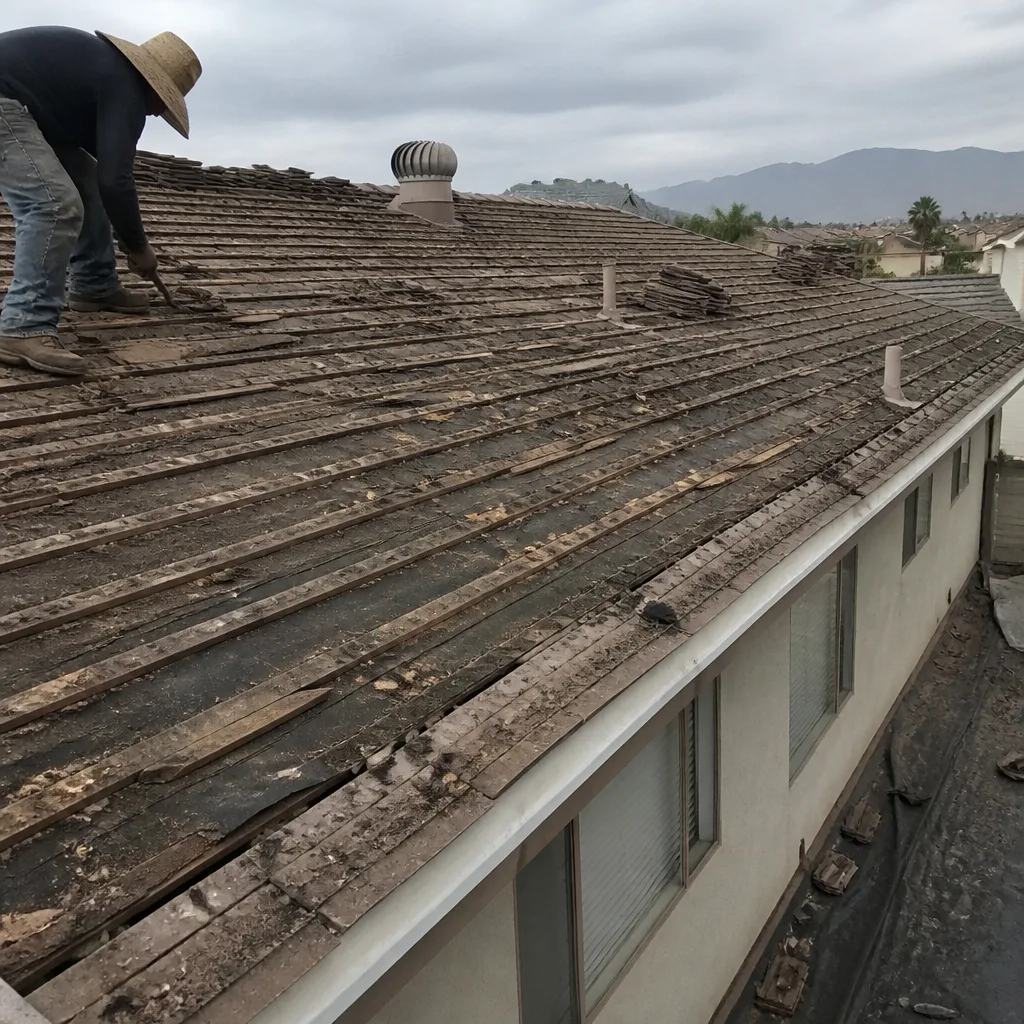
Stage one: Pre-installation deck inspection. Once the old roof is torn off and the deck is fully exposed, the inspector comes out before anything new goes down. They’re looking at the sheathing condition, checking for dry rot, verifying the deck meets minimum thickness requirements for the planned roofing system, and confirming the nailing pattern will support the new material weight. In Fontana’s older neighborhoods, like the homes built in the 1950s and 60s near Jurupa Hills, we regularly see deck boards that have softened from decades of attic heat and occasional moisture intrusion. The inspector flags those sections for replacement before the job continues. That’s a protect-you moment: without a permit, a contractor might nail new shingles over compromised wood and you’d never know until the roof sagged.
Stage two: Underlayment inspection. After the deck passes, the underlayment goes down. California code requires specific underlayment types depending on the roof slope and the material going on top. The inspector checks for proper overlap, fastener spacing, and that the underlayment rating matches the manufacturer’s requirements for the shingle or tile system being installed. This is also where valley flashing and drip edge details get checked.
Stage three: Final inspection. This happens after the roof covering is fully installed. The inspector checks shingle alignment, nail placement, flashing at penetrations and walls, ridge cap installation, and ventilation. They also verify that the final material matches what was approved on the permit application. If your permit says CertainTeed Landmark shingles and the roofer installed a different brand or grade, that’s a red flag that gets caught here.
Each inspection stage has to be signed off before the next one starts. That sequence is what prevents the “cover it up and hope” approach that unpermitted work invites.
How California’s Title 24 Cool-Roof Rules Affect Your Permit
California’s Title 24 energy code doesn’t just apply to HVAC systems and windows. It directly affects what roofing material you can install and whether your permit gets final approval. The rule centers on cool-roof standards: roofing products must meet minimum solar reflectance and thermal emittance values in most climate zones. Fontana sits in Climate Zone 10, where the cool-roof requirement has been in effect for residential steep-slope roofs since 2008. Our Seasonal Roofing Care for Fontana: Year-Round Homeowner’s Guide explains how these standards shift with weather patterns.
The practical effect is that your shingle choice has to be on the California Energy Commission’s certified cool-roof product list. Most major manufacturers produce Title 24-compliant color lines. GAF’s Cool Series, CertainTeed’s Landmark Solaris, and Owens Corning’s Duration Cool shingles all meet the standard in specific color ranges. See Choosing the Right Roofing Brand: A Buyer’s Guide for Fontana for a deeper comparison. Lighter colors naturally perform better, but even darker “cool” shingles use reflective granules that bounce back more solar energy than traditional formulations.
What the inspector checks at final is the product documentation. The contractor has to provide proof that the installed shingle is the Title 24-compliant product listed on the permit. If the roofer substituted a non-compliant color to match an HOA request, the final inspection fails and the permit can’t be closed. That’s an expensive fix: in most cases, the non-compliant roof has to come off and be replaced with a certified product.
Tile roofs get some flexibility. Clay and concrete tile naturally have high thermal mass and many products qualify without special coatings. Boral’s concrete tile lines, for example, include several colors that meet cool-roof standards without modification. The key is confirming the specific color and product code against the CEC database before the material gets ordered. A good contractor does this as part of the permit package, before you’ve committed money to a product that might not pass.
Your Legal Right to Inspection Records and How to Use Them
You own the permit. That’s the most important thing to understand. The permit is issued to the property, not to the contractor, and the inspection records belong to you. California’s Public Records Act gives any property owner the right to request copies of building permits, inspection results, and plan approvals from their city or county building department. In Fontana, that request goes through the city’s Building & Safety division, and most records can be pulled directly from the online permit portal.
Why does this matter for a roofing project? Three reasons.
- Warranty enforcement. Most manufacturer warranties require proof that the roof was installed to code. If you file a warranty claim five years after installation and the manufacturer asks for evidence that the work passed inspection, those inspection records are your proof. Without a permit, you have no inspection records, and the warranty claim can be denied even if the product itself failed.
- Contractor disputes. If a roof starts leaking two years after installation and the contractor claims it’s not their problem, the inspection record shows whether the relevant details were checked and approved. An approved underlayment inspection doesn’t guarantee the contractor did everything right, but it documents what was visible and passed at that stage.
- Insurance claims. After a storm or fire, your insurer will ask whether the roof was permitted and inspected. An unpermitted roof gives the adjuster a reason to reduce or deny the claim, especially if the damage is related to installation quality rather than the covered event itself.
We recommend every homeowner keep a folder with the permit document, each inspection sign-off, and the final approval certificate. A Roof Inspection in Fontana after the job is done adds another layer of documentation, but the city records are the foundation.
How Unpermitted Roofing Work Derails a Home Sale
The California residential purchase agreement includes a Transfer Disclosure Statement that requires sellers to disclose any work done without permits. It’s not a box you can skip. If you hired a contractor who pulled no permit for a re-roof, that fact legally has to be disclosed to the buyer, and the buyer’s lender and insurer will both have opinions about it.
Lenders increasingly check permit history during underwriting. An unpermitted roof on record can flag the loan for review, delay closing, or kill the deal entirely. Insurance companies in California have gotten stricter since the wildfire seasons of 2018 through 2025: many carriers now verify roof condition and permit status before writing a new policy. An unpermitted roof can make the home effectively uninsurable until it’s corrected.
When unpermitted work surfaces at escrow, the remediation options are uncomfortable. The seller can apply for an “as-built” permit, which means opening the roof back up enough for an inspector to verify the underlayment and deck condition, then paying penalties that can double or triple the original permit fee. Or the seller can negotiate a price reduction with the buyer to account for the risk, which typically runs $5,000 to $15,000 depending on the roof size and the buyer’s leverage.
We’ve seen this play out in Fontana more than once: a seller gets an offer, escrow starts, and the buyer’s inspector asks for the roof permit. When there isn’t one, the deal stalls. The cost of the original permit was a few hundred dollars. The cost at escrow is measured in thousands and weeks of delay. The math isn’t complicated.
Step-by-Step: The Fontana Roofing Permit Process
Here’s what a properly permitted re-roof looks like in Fontana, from start to finish. Every city in San Bernardino County follows a similar sequence, but the specifics below reflect Fontana’s Building & Safety procedures.
- Permit application and plan submittal. The contractor submits a permit application with the roof plan, material specifications, and product documentation showing Title 24 compliance. The city reviews the submittal and calculates the fee based on project valuation. For a standard residential re-roof in Fontana, the permit fee typically runs $200 to $500.
- Permit issuance. Once approved, the permit is issued to the property owner. The contractor posts the permit card on the job site, visible from the street. That card is what tells the inspector and your neighbors that the work is legal.
- Old roof removal and deck inspection. The crew tears off the old roofing and exposes the deck. The first inspection is scheduled. The inspector checks the deck condition and structural integrity before any new material goes on.
- Underlayment installation and inspection. After the deck passes, the underlayment goes down per code requirements. The second inspection verifies proper installation, overlap, and fastening.
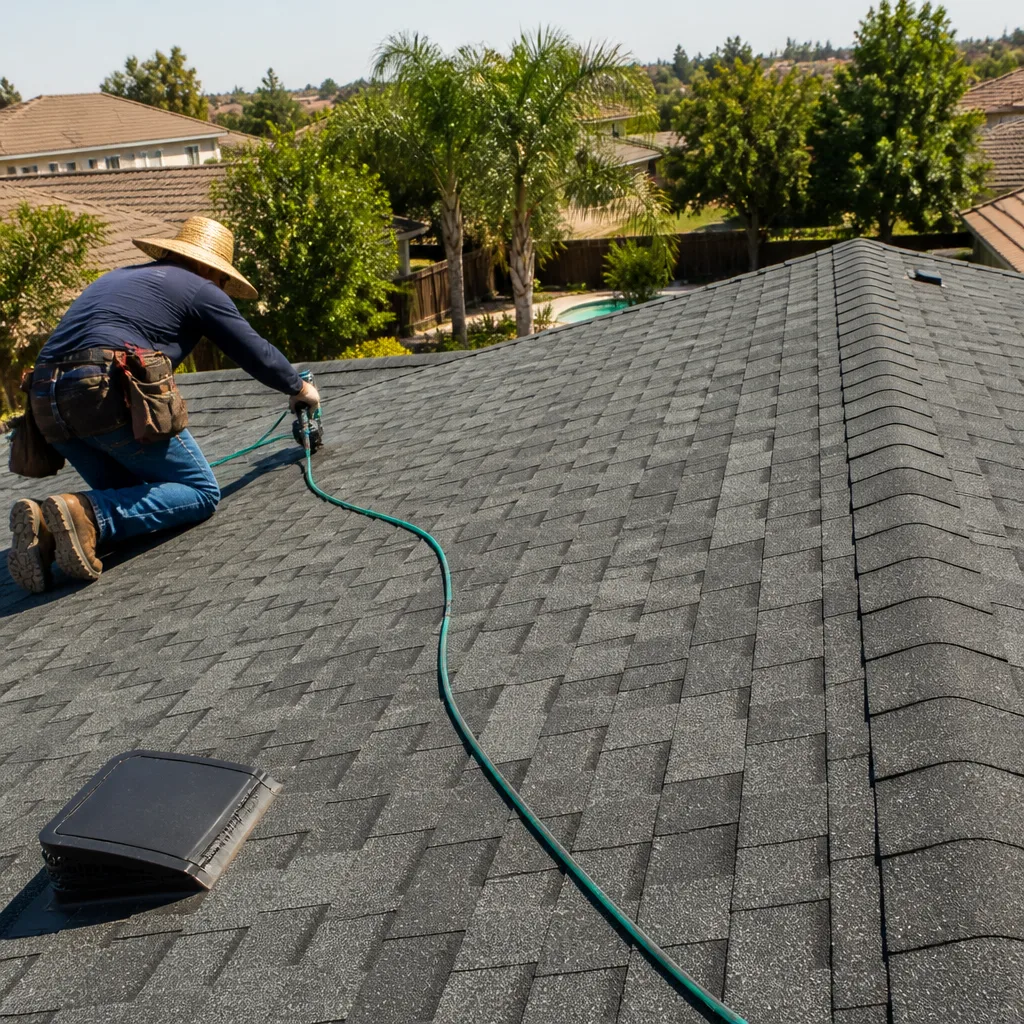
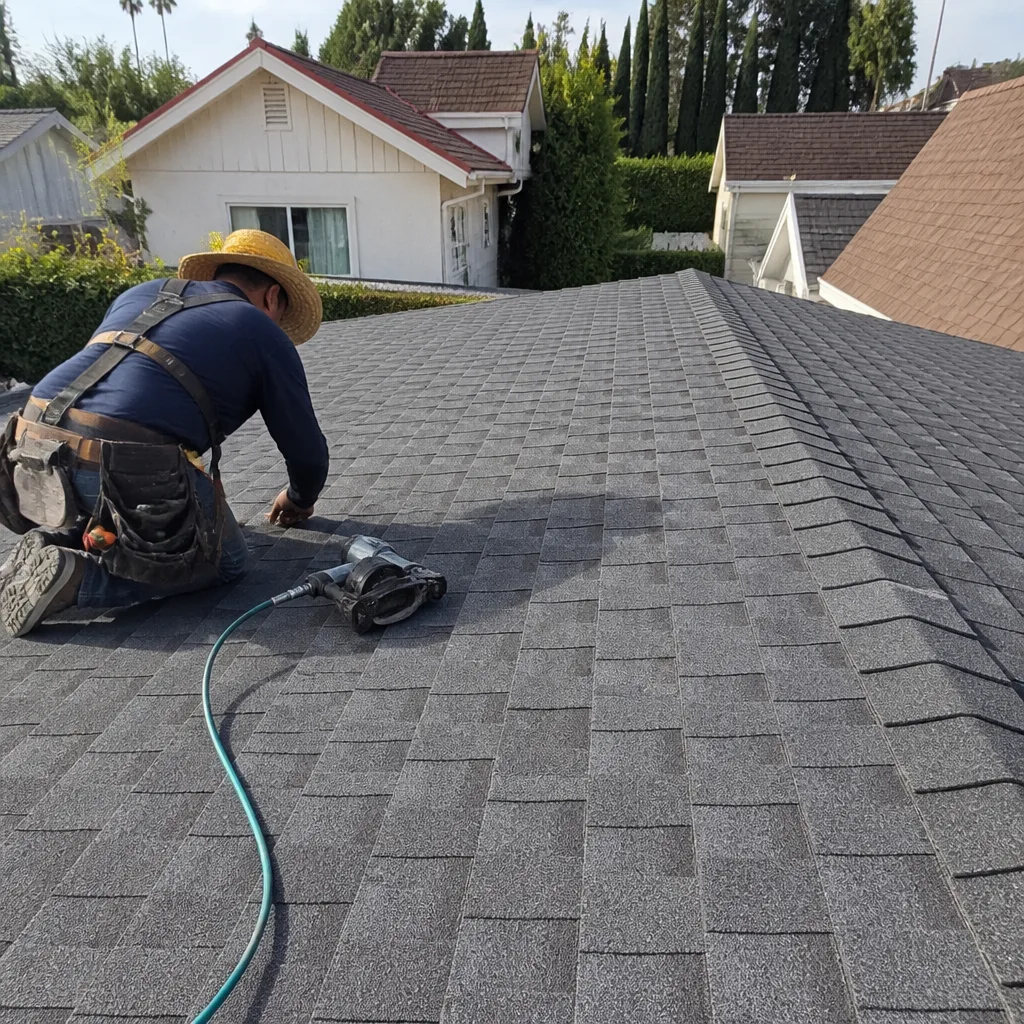
- Roof covering installation. The shingles, tile, or metal panels go on. The crew follows manufacturer installation specs exactly, because the inspector will check nailing patterns and flashing details.
- Final inspection. The inspector returns for the final walk-through, verifying the roof covering, flashing, and Title 24 documentation. If everything passes, the permit is closed out and the final approval is recorded.
The whole sequence adds a few days to the project timeline, mostly waiting for inspections to be scheduled. The benefit is that each checkpoint verifies the work was done correctly before it got covered up. We’ve had inspectors catch things on deck inspections that would have caused premature roof failure if they’d been buried under new shingles. That’s the system doing its job.
Common Mistakes to Avoid
- Believing a contractor who says “you don’t need a permit for this.” The contractor doesn’t decide that. The building department does. If there’s any question, call the city of Fontana Building & Safety line and ask directly. It takes five minutes and could save you a five-figure problem.
- Paying the full contract price before the final inspection passes. A reputable contractor structures payments around milestones tied to inspections. Hold final payment until the permit is closed out and you have the sign-off documentation in hand.
- Choosing shingle colors without checking Title 24 compliance. Not every color of every shingle line meets cool-roof standards. Confirm the specific color against the CEC database before the order is placed, or you might fail final inspection.
- Assuming the roofer pulled the permit when they didn’t. Ask to see the permit card before work starts. If the roofer can’t produce it, the work is unpermitted no matter what the contract says. In Fontana, you can verify permit status through the city’s online portal.
- Skipping permits to save money on a rental property. Unpermitted work on rental properties compounds the risk: tenant insurance claims, city complaints, and code enforcement all become more likely. The savings don’t justify the exposure.
- Hiring a roofer who won’t include permit costs in the quote. Any honest estimate includes line items for permit fees and inspection scheduling. A bid that’s suspiciously low often means the permits were never part of the plan.
When to Call a Professional
Roofing permits involve code interpretation, product documentation, and an inspection sequence that most homeowners only navigate once or twice in a lifetime. If you’re planning a re-roof, a repair that might cross the 25% threshold, or you’ve discovered unpermitted work on a home you’re buying or selling, bring in professional help. A licensed roofing contractor handles the permit application, schedules the inspections, and manages the paperwork through final approval. Browse our more guides & resources for additional homeowner tools. That’s part of what you’re paying for, and it’s worth making sure it’s actually included in the bid.
If you’re in Fontana and want an honest assessment of your roof’s condition, the scope of work needed, and what permits will cost, Barnwood Roofing offers free estimates. We carry products from GAF, Atlas, and Boral, so we can match the right material to your home and budget rather than steering you toward whatever we happen to stock. Call (855) 382-1073 to schedule yours.
Frequently Asked Questions
A residential re-roof permit in Fontana typically costs between $200 and $500, based on the project’s declared valuation. The exact fee depends on the roof size, scope of work, and whether any structural repairs are included. The permit fee is separate from the roofing work itself and should be itemized in any honest estimate. Call (855) 382-1073 for a free quote that includes accurate permit costs for your specific roof.
No. California law allows a homeowner to act as their own contractor on their primary residence, but a permit is still required for a full re-roof regardless of who does the labor. The homeowner assumes responsibility for code compliance, inspection scheduling, and any deficiencies found. Most insurance companies also won’t cover damage related to DIY roof work if the permit wasn’t pulled.
The contractor has to correct the deficiency and schedule a re-inspection. Common failures include improper underlayment overlap, incorrect nail placement, missing flashing details, and Title 24 non-compliant materials. The correction is almost always at the contractor’s expense if they installed incorrectly. Re-inspection fees in Fontana are typically modest, usually under $150.
For a standard residential re-roof with no structural changes, Fontana’s Building & Safety division usually issues the permit within one to two weeks. Projects involving structural repair, historic properties, or custom plans can take longer. The inspections themselves are typically scheduled within a few business days of each checkpoint being ready.
Small repairs covering less than 25% of the roof area within a 12-month period generally don’t require a permit. Anything larger, or any repair involving deck replacement or structural work, does. When in doubt, check with Fontana Building & Safety before work starts. A quick call is cheaper than retroactive permitting.
Home inspectors aren’t permit auditors, but a good inspector will note signs of recent roof replacement and recommend the buyer verify permits. Lenders and insurers increasingly check permit records independently. The unpermitted status usually surfaces at escrow, not because of the home inspection itself but because the disclosure requirement forces the seller to reveal it.
The Bottom Line
California’s roofing permit process exists to protect the homeowner, not to generate fees. Every inspection checkpoint verifies that work was done correctly before it gets covered up, documenting the installation in ways that support warranty claims, insurance coverage, and future resale. Skipping permits saves a few hundred dollars and creates a liability measured in thousands. If you’re planning roof work in Fontana, insist on a permit, verify the inspection sign-offs, and keep the records. A Roof Replacement in Fontana done with permits is an asset. One done without them is a problem waiting for the worst possible moment to surface. For help navigating the process, call (855) 382-1073 for a free estimate. Visit our Barnwood Roofing home page to learn more about how we work.
Written by the team at Barnwood Roofing, serving Fontana since 2013.
See the difference
 Before
 After
 Before
 After
 Before
 After