


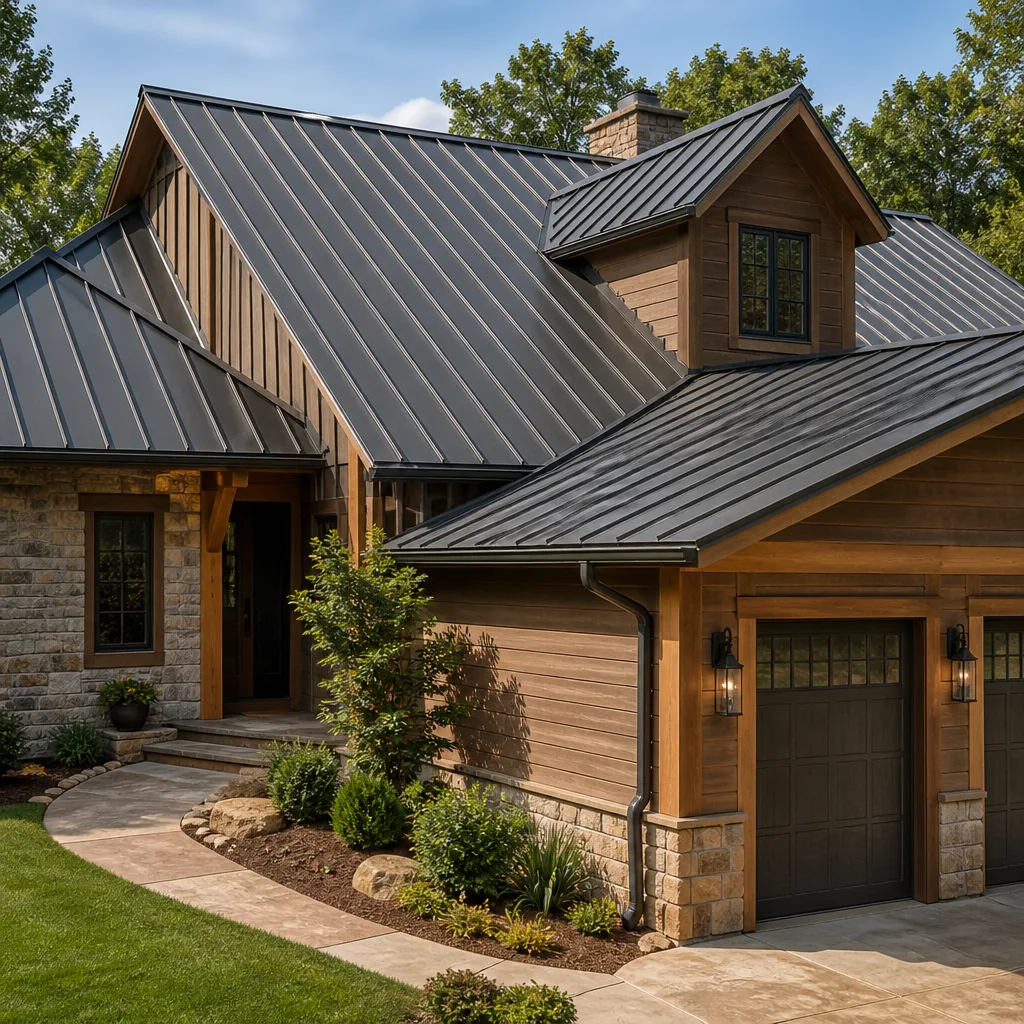
 Metal roofing
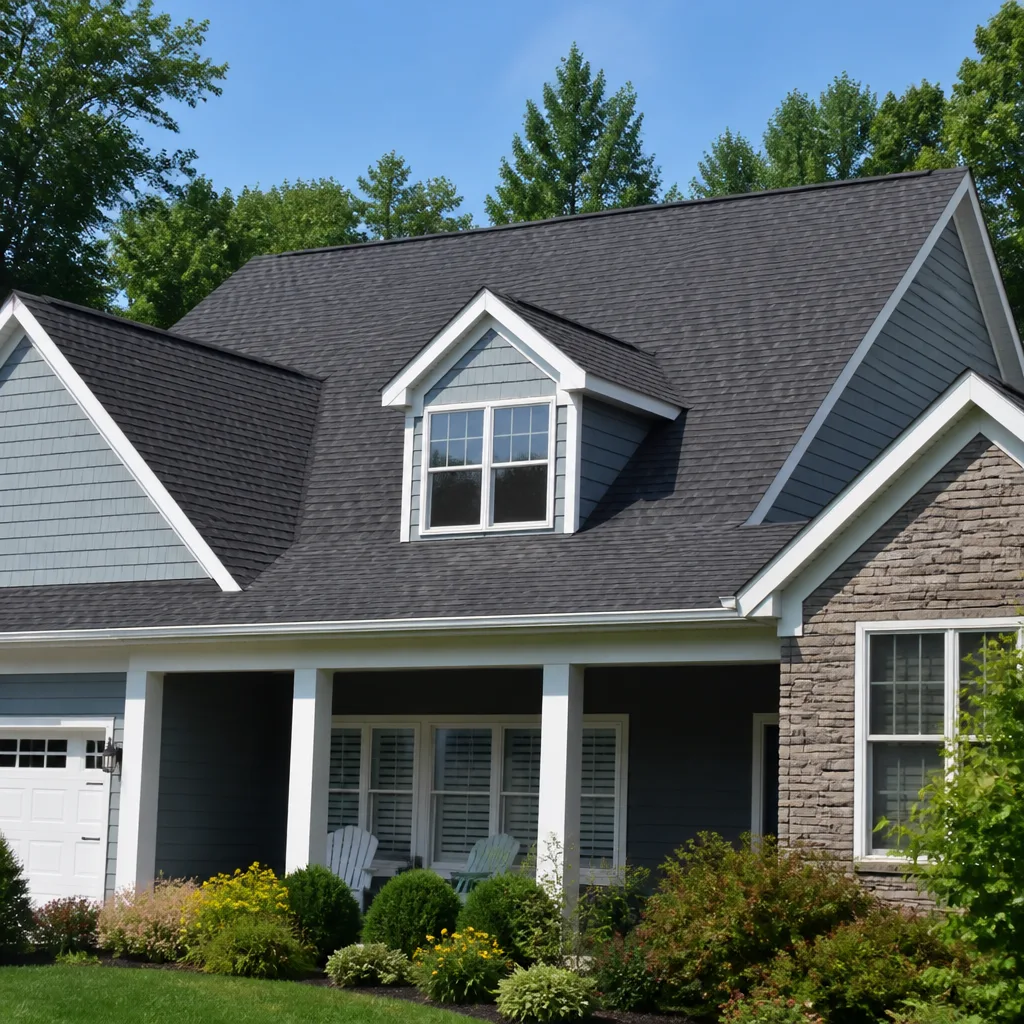
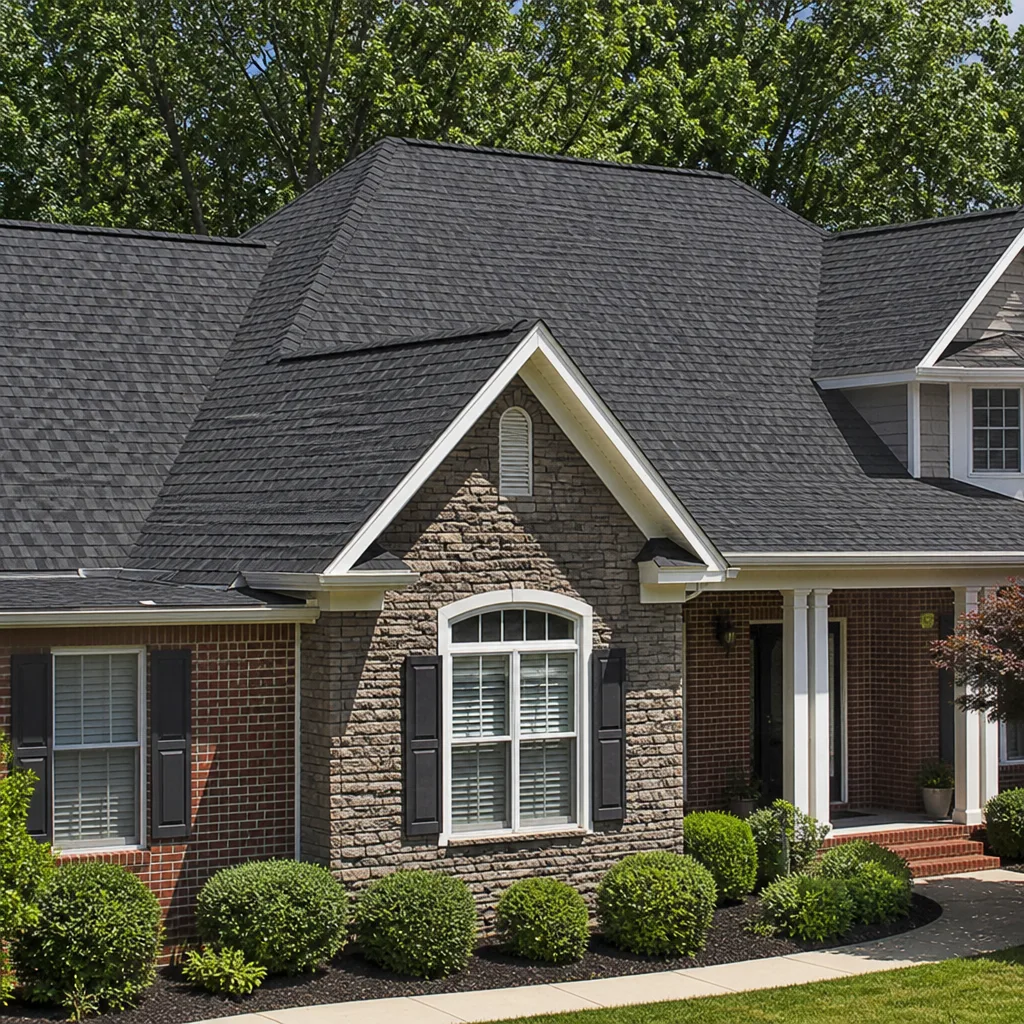 Architectural shingles
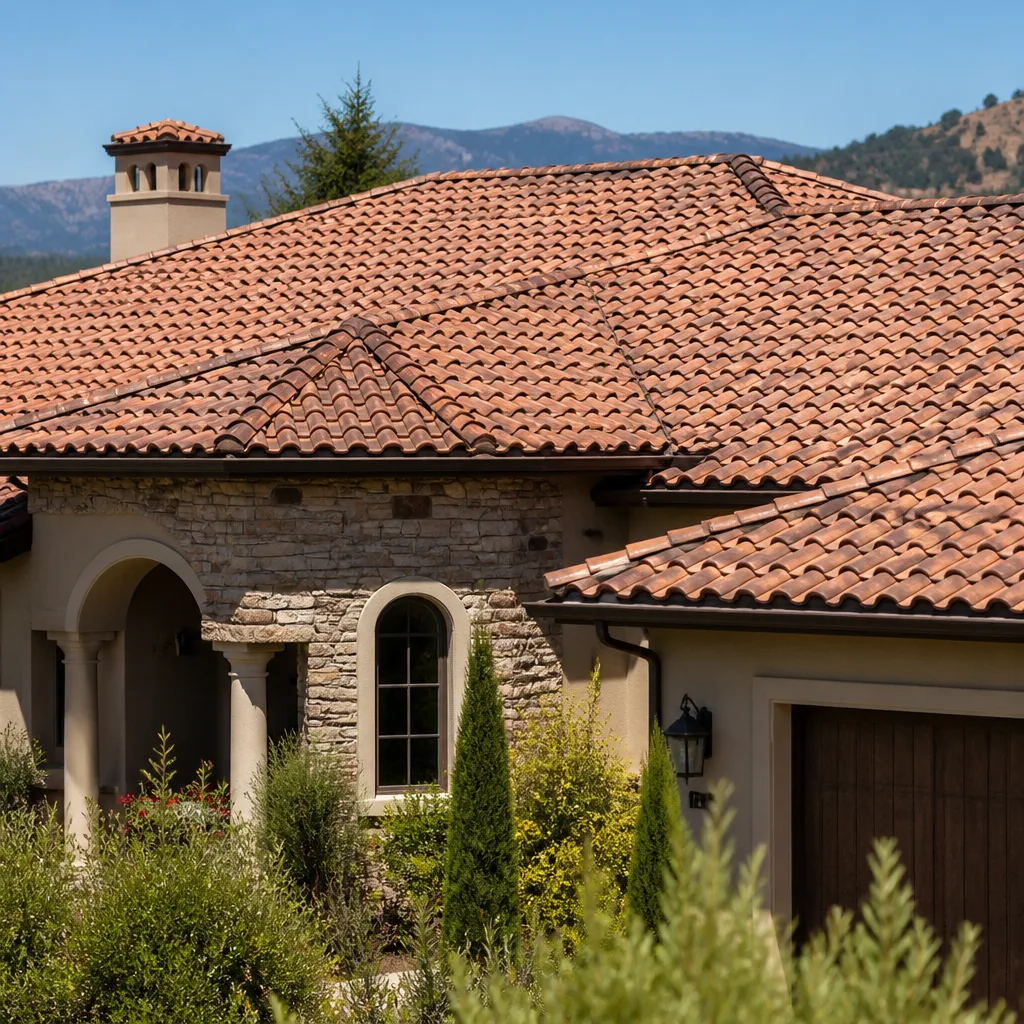 Tile roofing
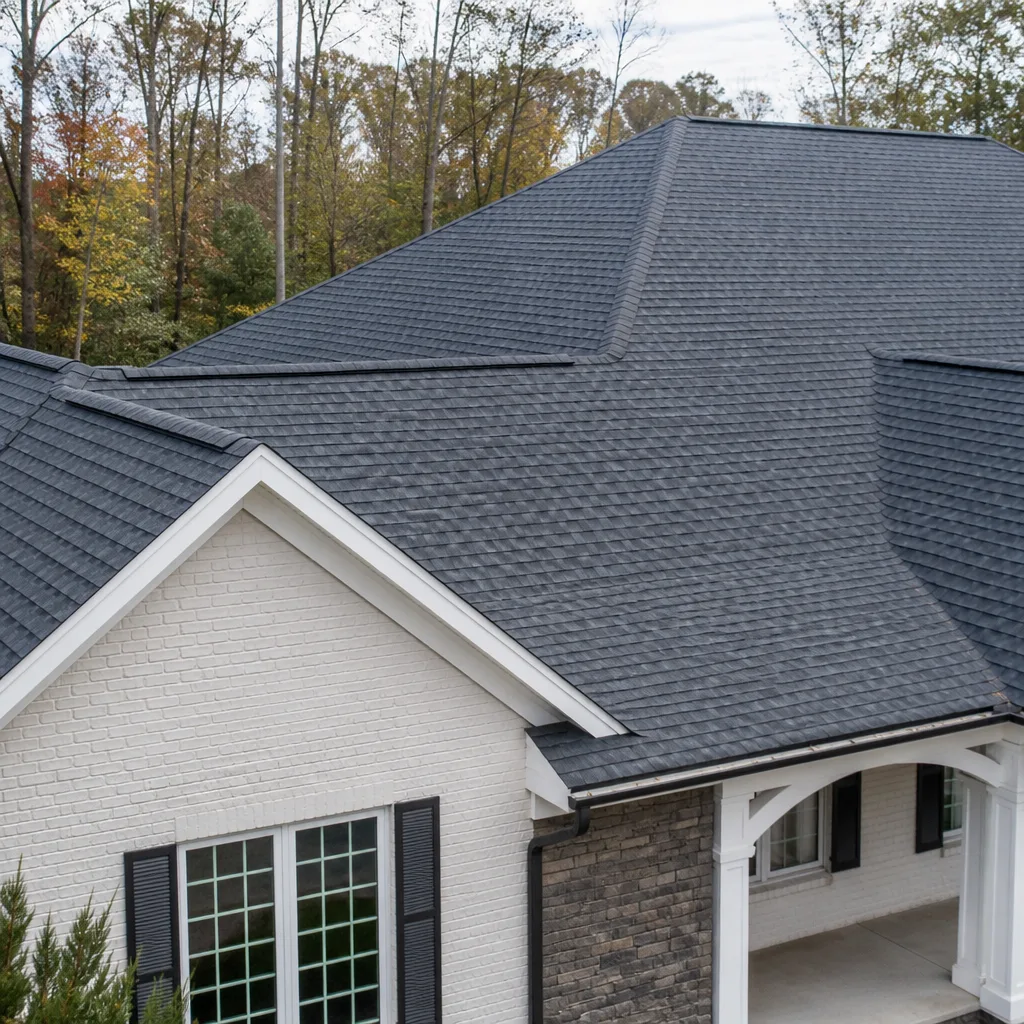 GAF
 Owens Corning
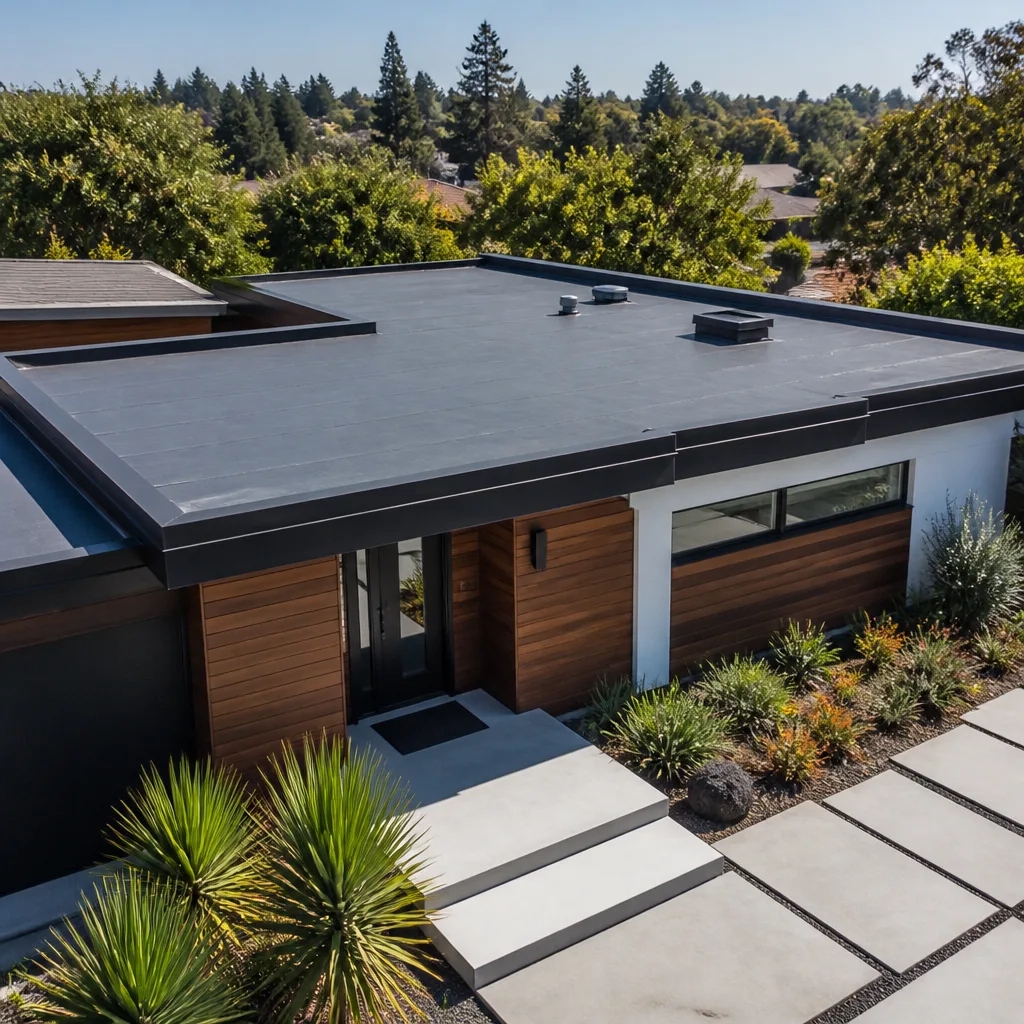 Flat & low-slope
Free roof inspection with deck photos before we talk money - GAF and Owens Corning certified installation
Fast, Reliable Roof Replacement Across Lomita
Roof replacement in Lomita runs $14,000 to $28,000 for a typical single-story tract home, with the coastal-spec materials this marine layer demands adding roughly 12 to 18 percent over an inland quote. That price gap isn’t markup. It’s the difference between fasteners and flashing that survive Lomita’s salt fog and metal that corrodes from the underside within a decade. We know the difference because we tear off failed Lomita roofs every month and see exactly where the damp wins. If you’re weighing bids or wondering whether your roof has another five years in it, call (855) 382-1073 for an assessment that starts with the roof, not the sale.
Why Barnwood Roofing Is Lomita’s Preferred Roof Replacement Company
We work in Lomita enough to know the housing stock block by block: mid-century single-story tract homes behind the old downtown, low-pitch decks that hold fog longer than they should, detached garages with barely two feet of setback for staging. Our Roof Replacement crews plan tear-off and dumpster placement around those narrow side yards before the first shingle comes off. Ruben Calloway started this company on a simple rule: tell the homeowner what the roof actually needs, even when the honest answer is a repair, not a replacement. That’s why we carry seven manufacturer lines instead of one. We’re not trying to make a single brand fit every Lomita house. We’re matching the material to the damp, salty conditions your roof actually lives in.
Homeowners on 250th Street, Eshelman Avenue, and the streets off Pennsylvania Avenue have called us after other contractors quoted a full tear-off without ever getting on a ladder. We show up, inspect, and write the recommendation from what the deck, flashing, and shingles tell us. If a repair buys you five more years, you’ll hear that from us first.
Styles & brands we work with
Roof Replacement Contractor in Lomita
A Roof Replacement Contractor in Lomita has to contend with what the South Bay marine layer does to a roof over 20 or 30 years, not just what the shingle warranty says. The work means tearing off every layer down to the deck, inspecting the sheathing for rot where fog has soaked in, replacing corroded flashing and fasteners, and rebuilding the system so it drains and dries the way a coastal roof should. Roof Replacement in Lomita isn’t a sun-and-heat job like it is ten miles inland. It’s a fight against persistent moisture that never quite burns off.
Full Tear-Off and Deck Inspection
Most Lomita homes we replace are 1950s or 1960s originals with original decking that’s been wet more often than dry. We pull the old roof down to the framing and check every sheet before we put anything new on. Rotted decking is replaced at that stage, not hidden under new shingles to become a problem the next owner inherits.
Two-Layer Tear-Off is the Lomita Standard
Because so many tract homes here already carry a second layer of shingles over the original shake or composite, Lomita replacement work usually starts with a two-layer tear-off. That adds labor and dump fees, but skipping it means the new roof inherits the old one’s hidden corrosion. We don’t roof over rust.
Asphalt Shingle Roof Replacement in Lomita
Asphalt Shingle Roof Replacement in Lomita typically falls between $18,000 and $26,000 when you’re doing it right: full tear-off, new underlayment, ice and water shield in the valleys, stainless ring-shank nails, and architectural shingles rated for the wind exposure Lomita gets off the coast. The shingle is the visible part. The fasteners and flashing underneath are what actually keep water out for 30 years in salt fog, and that’s where the quality of a Lomita roof gets decided.
Architectural Shingles for Lomita’s Low-Pitch Decks
Most Lomita tract homes have a low-pitch slope that manufacturers treat as a special case for warranty and install. Architectural shingles hold up better here than three-tab because the laminated layer gives the sealant strip more to grip. We align the nail pattern and starter course to the pitch, not to the fastest install method.
Underlayment and Valley Treatment
In Lomita, underlayment matters more than it does inland because the roof stays damp longer. We lay synthetic underlayment across the field and ice and water shield through every valley and eave line. That’s the part of the roof you’ll never see, but it’s the part that catches the slow leak when valley flashing gives out.

Trusted Brands We Service in Lomita
We install and maintain roofing systems from CertainTeed, Owens Corning, IKO, and Atlas, among others. That matters in Lomita because different brands handle damp coastal conditions differently. CertainTeed’s architectural lines lock down well on low-pitch decks; Owens Corning’s Duration series stands up to wind-driven fog and drizzle without tab lifting. We stock the valley metal, drip edge, and starter strips these systems need, so a Lomita job doesn’t stall while parts ship from a warehouse in the Valley. Seven brands, one honest recommendation for your roof.
See the difference
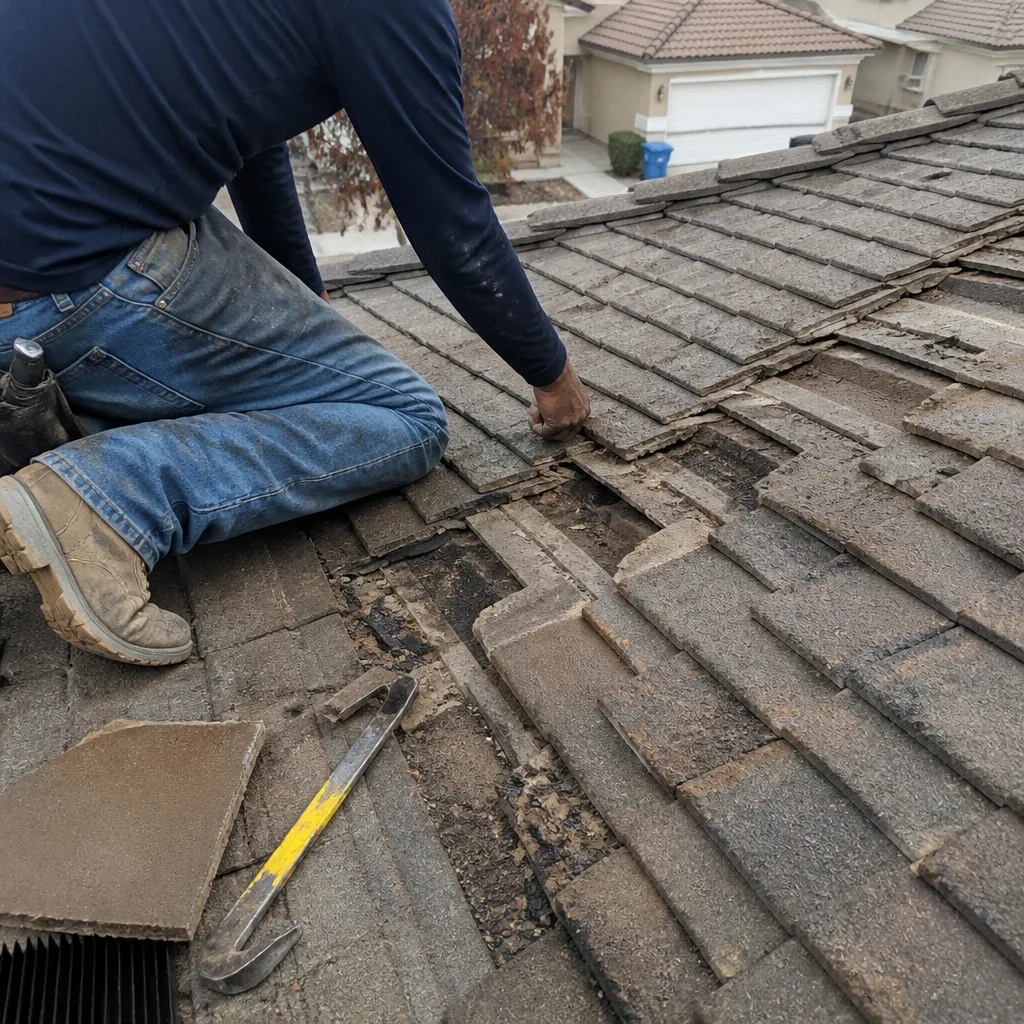 Before
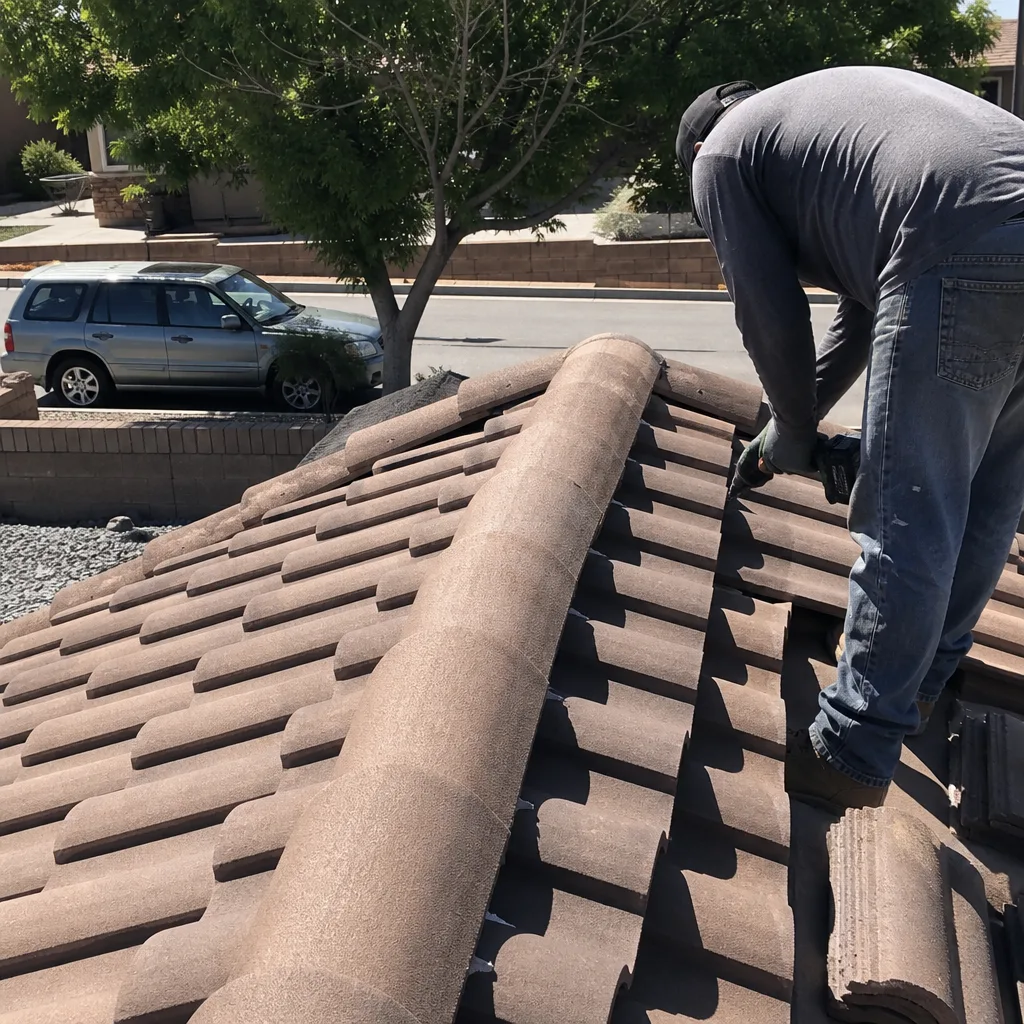 After
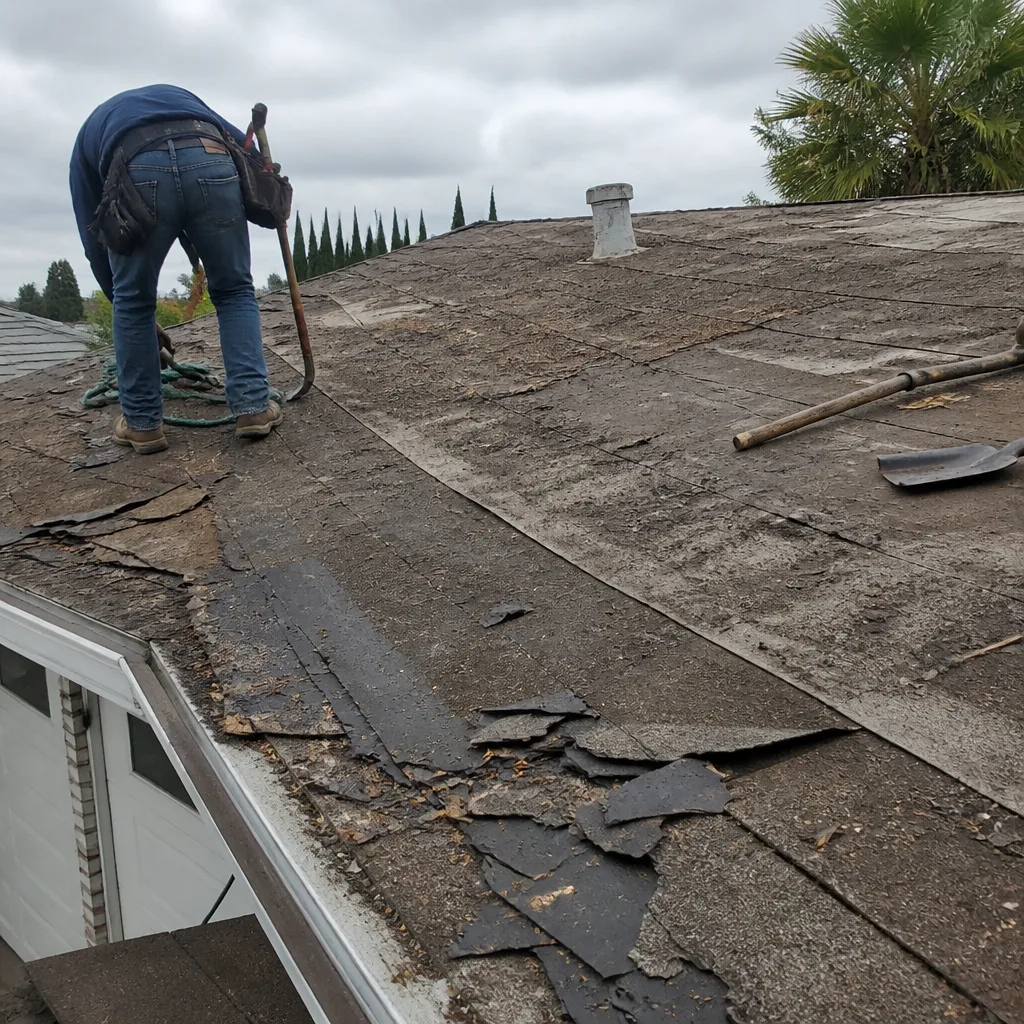 Before
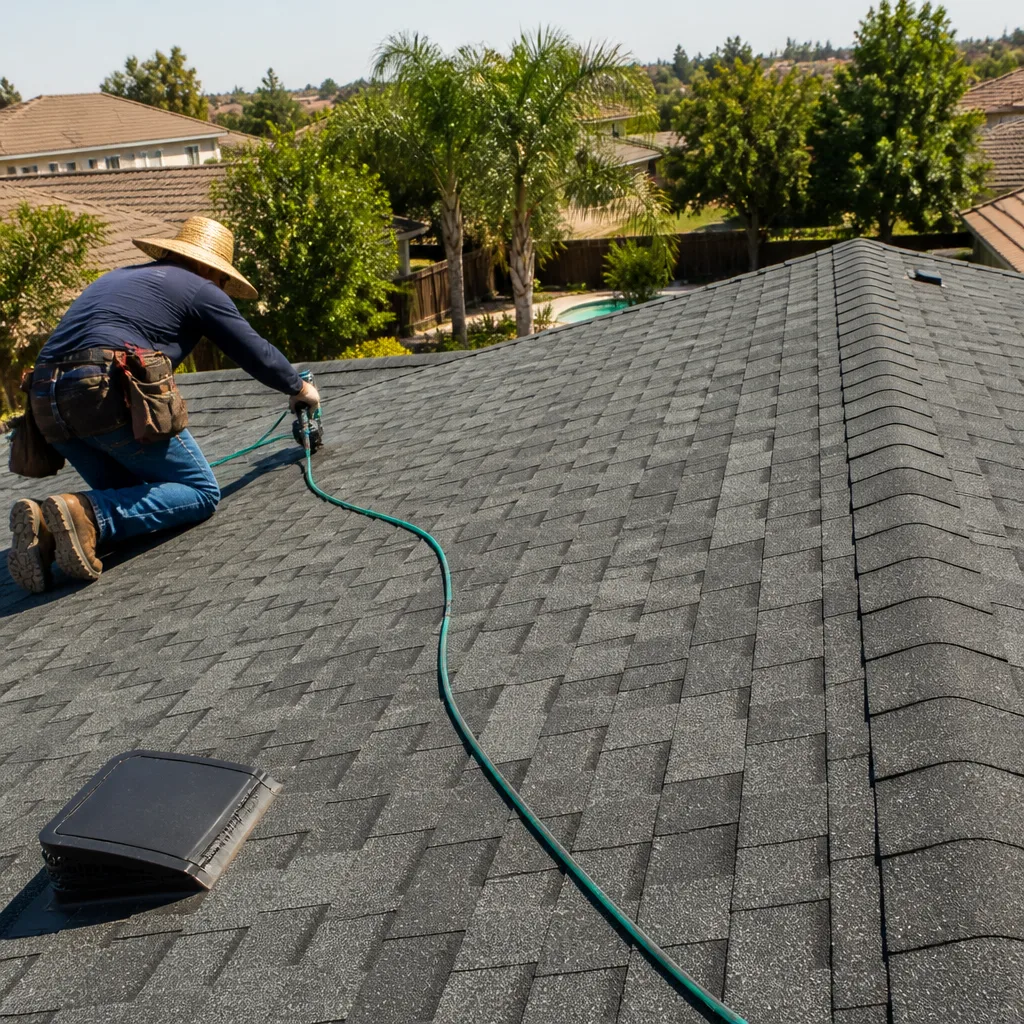 After
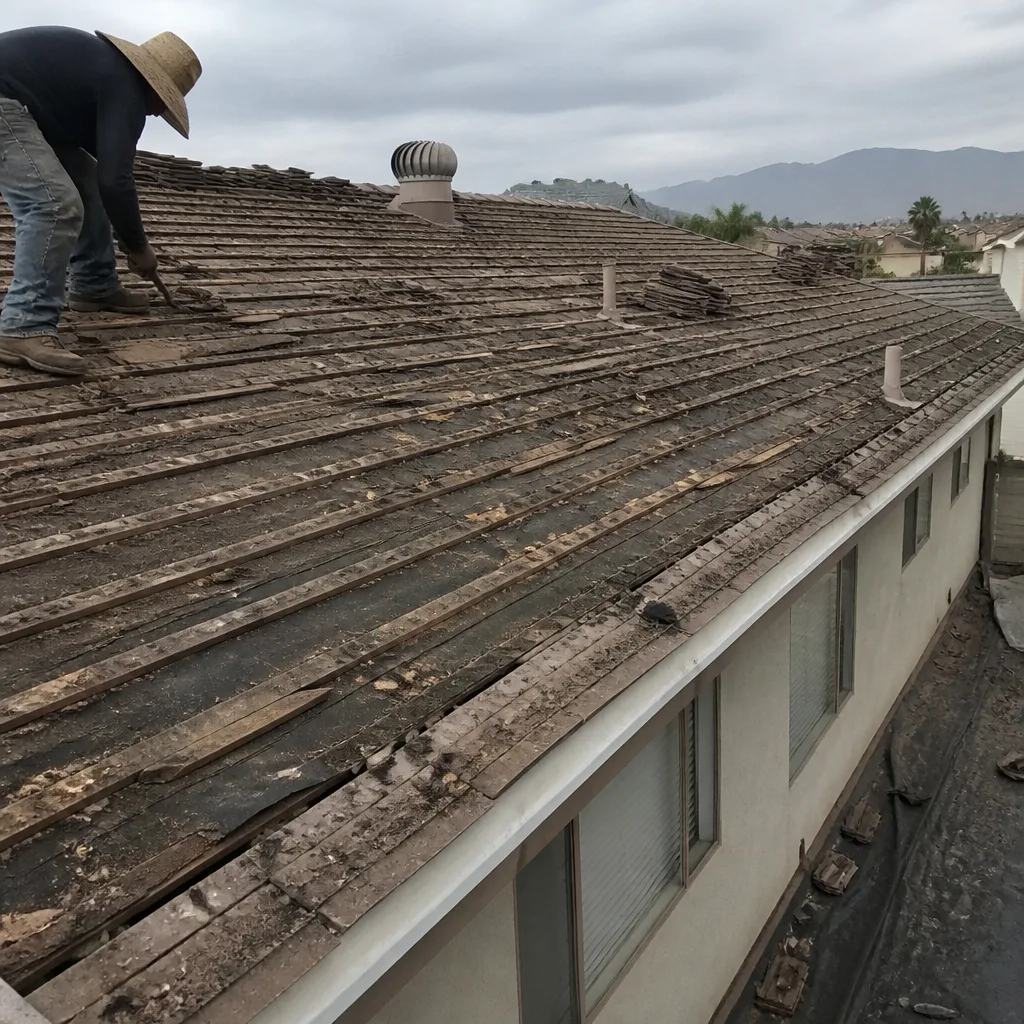 Before
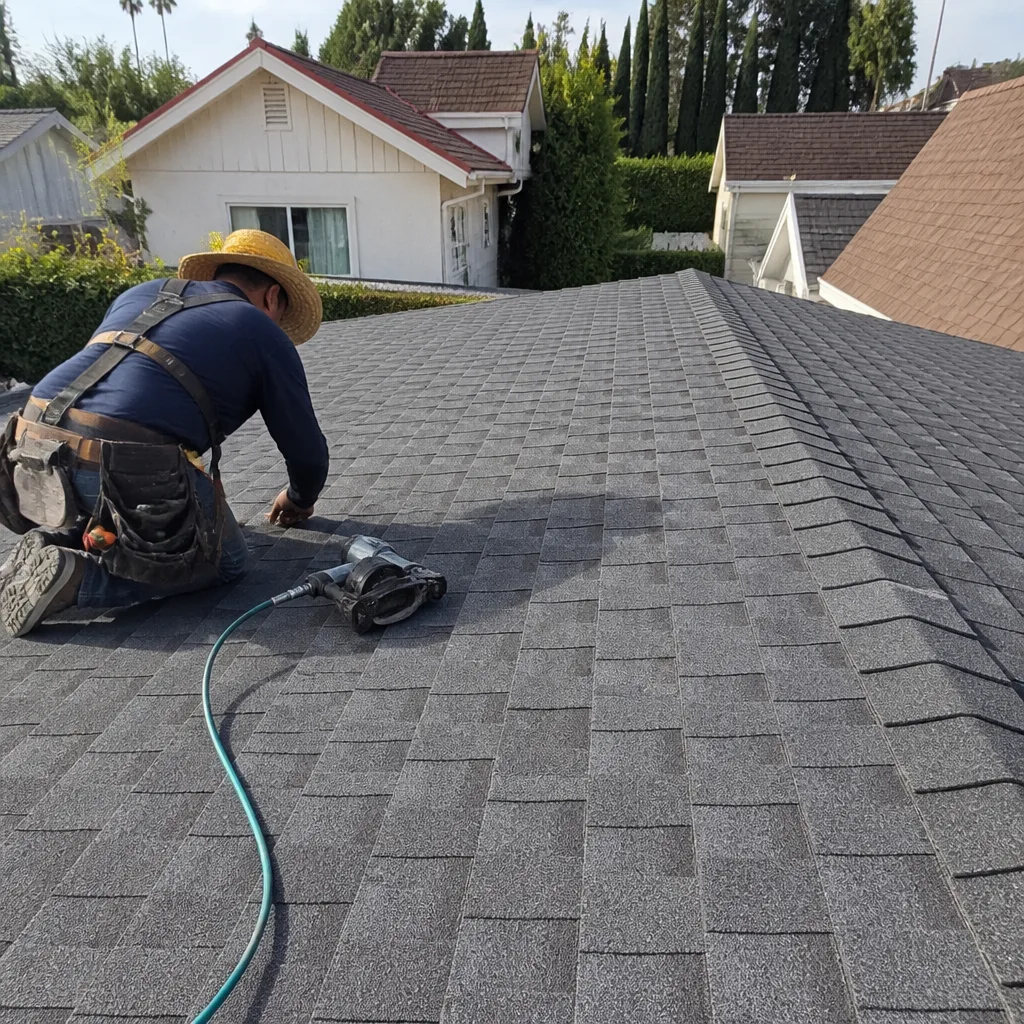 After
Common Roof Replacement Problems We See in Lomita Homes
- Rusted-through valley flashing hiding under a second shingle layer. The galvanized metal at the valleys corrodes from the underside where salt fog condenses and never dries, and the leak shows up as a ceiling stain while the shingles above look fine. We find this on a significant share of Lomita tear-offs.
- Cheap electro-galvanized fasteners backing out at ridge vents and penetrations. A roof replaced 10 or 15 years ago with inland-spec nails starts grinning nails at the ridge and pipe flashings. The metal lets go before the shingle does, and water follows the rusted shank into the deck.
- Original wood shake or early composite trapping damp on low-pitch decks. Mid-century Lomita homes often still carry their original roofing under a second layer of shingles. The old shake holds fog moisture against the deck, feeding moss and algae along the soffit and fascia line, softening the wood a little more each year.
- Narrow setbacks making tear-off and dumpster staging hard. Detached garages and tight side yards on Lomita’s small lots mean the tear-off plan has to account for where debris goes and how material gets up. We’ve done enough of these to know the shortcuts that leave a mess and the right way that keeps the job moving.
Pricing for Roof Replacement in Lomita, CA
A full roof replacement on a typical Lomita single-story runs $14,000 to $28,000 depending on tear-off layers, deck condition, and the material spec you choose. The coastal-spec version of the job costs more because of what goes under the shingle: stainless ring-shank nails instead of electro-galvanized, hot-dip galvanized drip edge instead of standard painted steel, ice and water shield through every valley. That’s a $2,000 to $4,000 difference on most homes. The cheaper inland-spec roof in Lomita is the one that needs a leak repair at year eight and full replacement at year fifteen. We’ll write you a line-item quote so you can see exactly where the money goes. Call (855) 382-1073 for a free estimate.
We Also Serve Cities Near Lomita
Beyond Lomita, our crews work regularly in Torrance, Rolling Hills Estates, West Carson, and Manhattan Beach. Each city brings its own microclimate, but the same principle holds: match the roof spec to the air the house lives in. If you’re in any of those communities and need a straight answer on your roof’s condition, call us.
Serving Lomita, CA — Our Local Coverage Area
We’re based in the Lomita area and know this community well. Use the map below to see our service coverage — if you’re nearby, we can almost certainly help.
FAQs About Roof Replacement in Lomita
Because Lomita’s marine layer kills cheap metal fast, and the right spec costs more up front. An inland roofer might quote electro-galvanized nails and standard flashing, which are fine in Upland or Rancho Cucamonga but corrode from the underside in Lomita’s salt fog within a decade. We spec stainless ring-shank nails, hot-dip galvanized drip edge, and sealed valley treatments that add 12 to 18 percent to the job but double the roof’s leak-free life. You’re not paying a beach-town premium. You’re paying for hardware that doesn’t rust out under your shingles. Call (855) 382-1073 and we’ll show you the difference on a line-item quote.
Yes. A two-layer roof has to come all the way down to the deck before anything new goes on, which adds labor and dump fees to your Lomita replacement. It also means the deck and the hidden metal under both layers finally get inspected. On a 1950s tract home off Lomita Boulevard, our crew tore off two layers and found the galvanized valley flashing rusted clear through at the pans. The homeowner had a ceiling stain, not a missing shingle. That kind of hidden failure is exactly what a two-layer tear-off exposes. Call (855) 382-1073 for an accurate price that accounts for both layers.
We specify stainless ring-shank nails for the shingle field, hot-dip galvanized drip edge and valley metal, and aluminum or stainless vent flashings at every penetration. Standard electro-galvanized fasteners back out and corrode within a decade in Lomita’s damp air. The hardware is the part of the roof you don’t see, but it’s the part that decides whether the roof leaks at year ten or year thirty. Our quote always lists the fastener and flashing spec so you know you’re getting coastal-grade hardware, not the inland default.
Yes, if the starter strip, nail pattern, and sealant conditions are correct. Architectural shingles hold their wind rating when they’re installed with the manufacturer’s starter course, the right nail count and placement, and enough warmth to let the sealant strip bond. Lomita’s fog means we time installs so the sealant gets a genuine dry stretch to set. A lazy install will lose shingles to the first Santa Ana, damp or not. Ours don’t. Call (855) 382-1073 and we’ll walk you through how we install for Lomita’s specific wind and moisture profile.
If you see a ceiling stain but no missing or curled shingles from the ground, the leak is likely in the hidden metal: rusted valley flashing, corroded nail heads, or a failed pipe boot under the second layer. Lomita’s slow leaks rarely announce themselves with visible damage up top. They start where salt fog has eaten galvanized metal from the underside, often for years before the stain appears. The only way to know is to get on the roof and look at the valleys and flashings. That’s what our inspection does. Call (855) 382-1073 and we’ll come assess it before a stain becomes a drywall repair.
Written by Ruben Calloway, Owner at Barnwood Roofing, serving Lomita and the South Bay.