
Last updated October 30, 2026
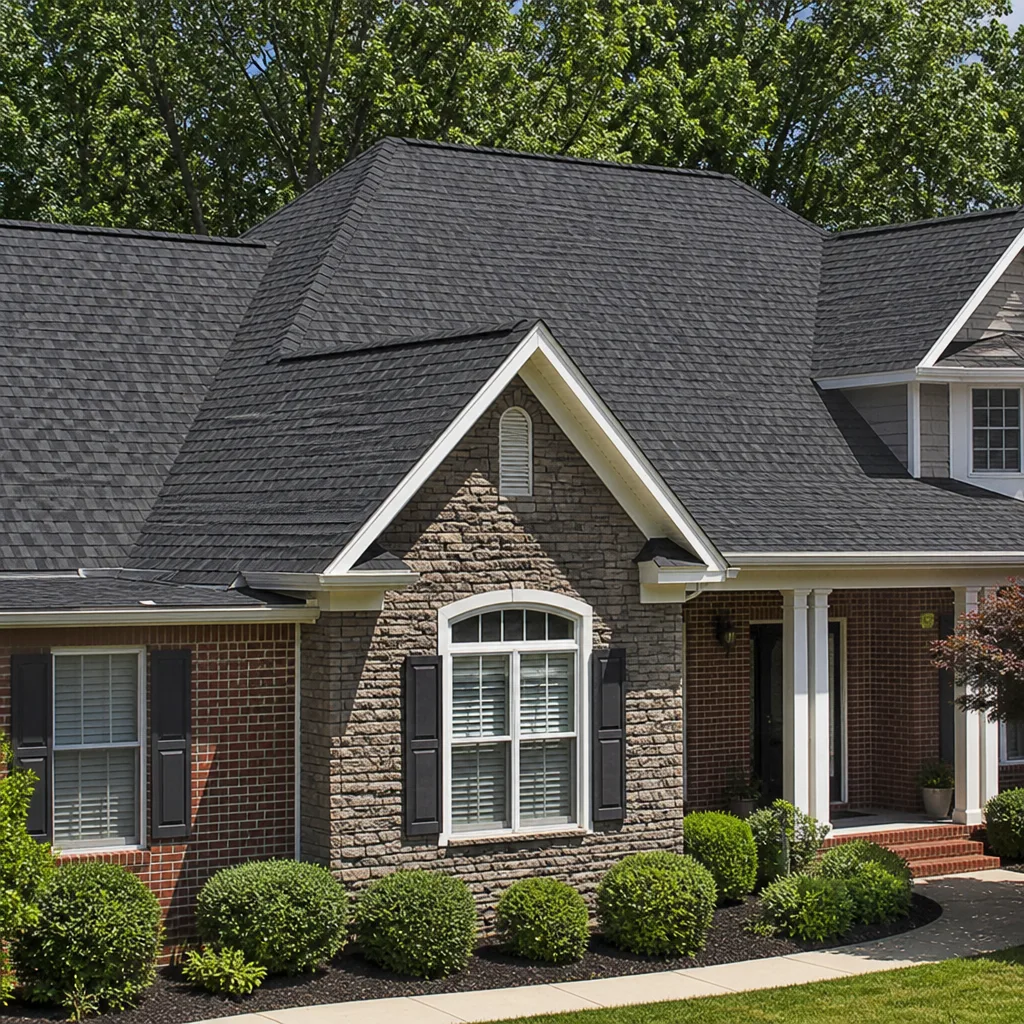 Architectural shingles
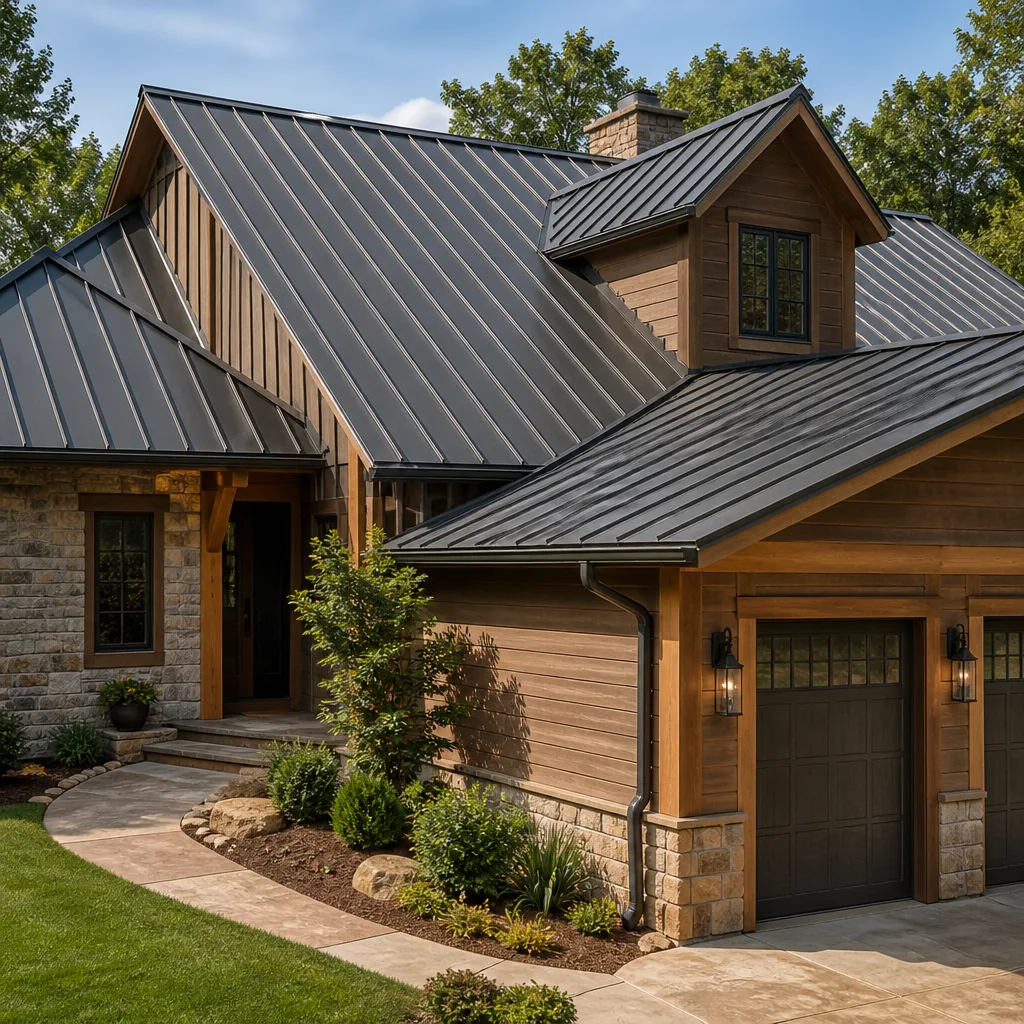 Metal roofing
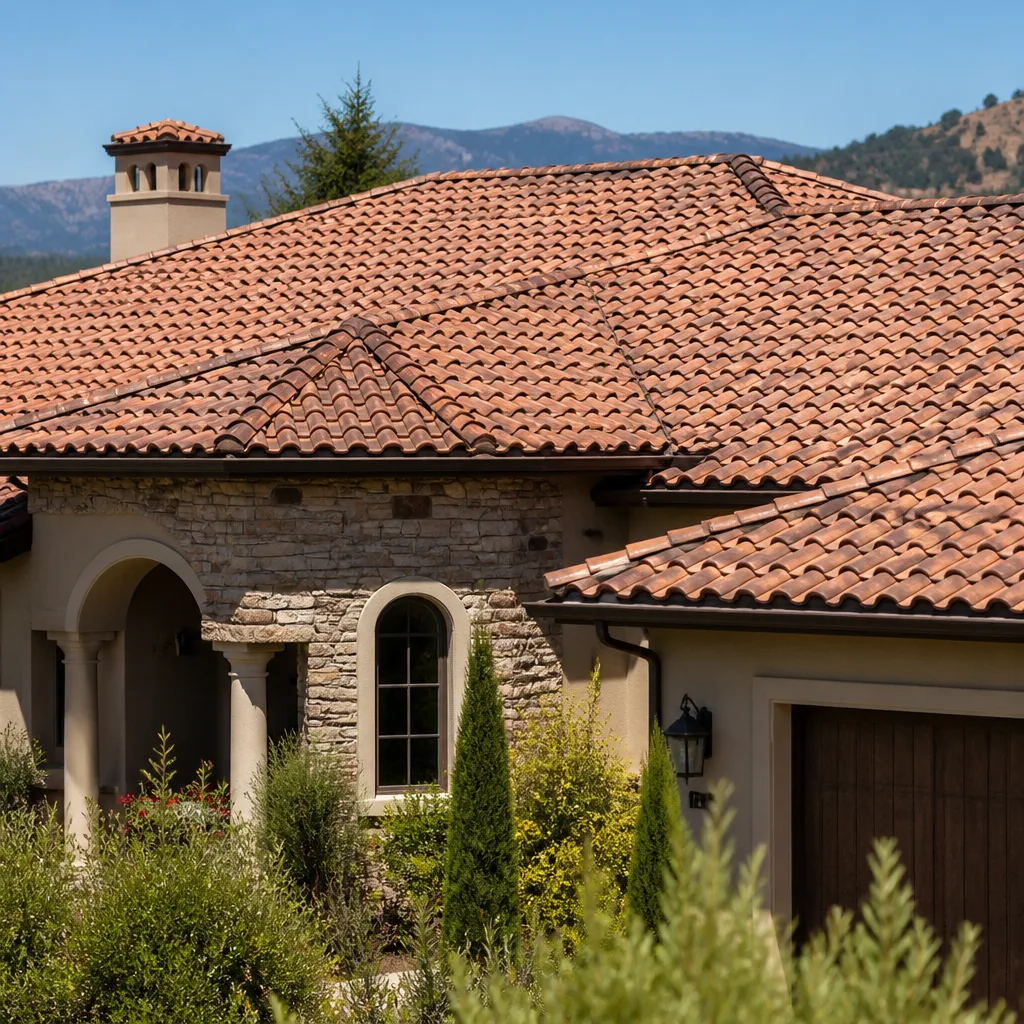 Tile roofing
 GAF
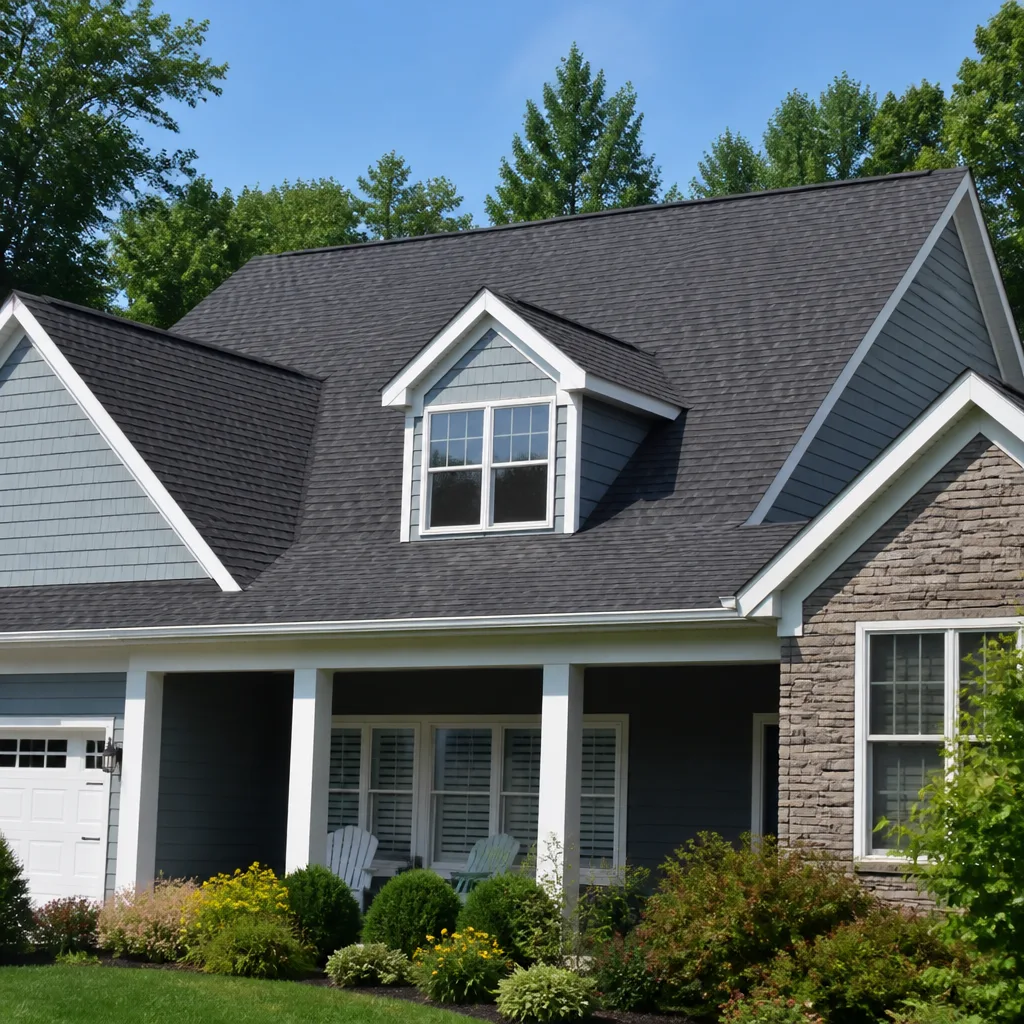 Owens Corning
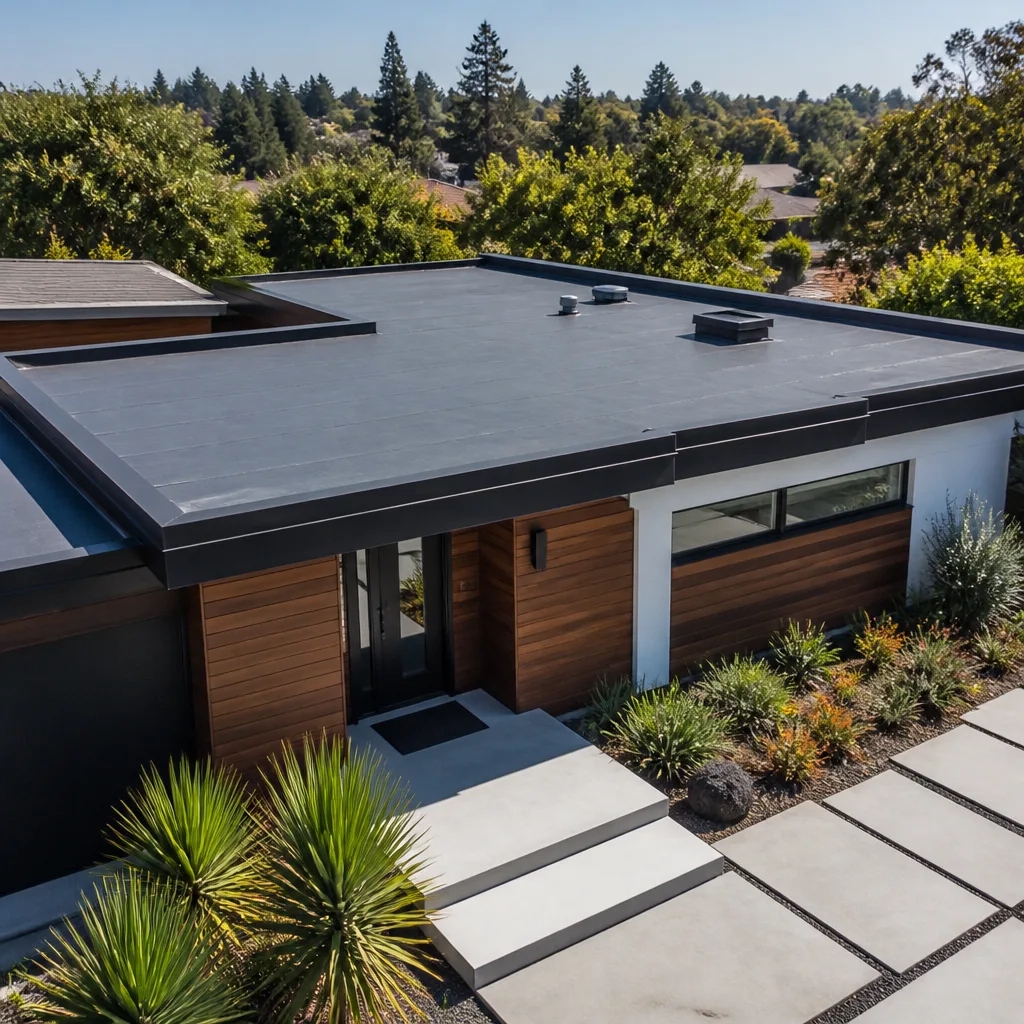 Flat & low-slope
Free roof inspection with deck photos before we talk money - GAF and Owens Corning certified installation
The Complete Roof Repair Guide for Fontana Homeowners
Fontana averages over 280 sunny days a year, but UV degradation and thermal shock, not rain, are responsible for the majority of premature roof failures in the Inland Empire. Most roofing guides are written for climates where water intrusion is the primary enemy. That generic advice misses what actually destroys roofs in Fontana: a specific sequence of heat, wind, and sudden moisture that stresses materials in a predictable order. This guide maps that local damage sequence so you know what to inspect first, what to repair now, and what can honestly wait. By the end, you’ll understand the repair triage framework we use when assessing Fontana roofs every week.
Quick Answer
Roof repair in Fontana typically involves addressing UV-cracked flashing, thermal-cycled ridge caps, Santa Ana wind-lifted shingle tabs, and occasional storm-driven leaks. Most Fontana homes will need repairs costing between $350 and $1,800 depending on the damage type and roof accessibility. The right first step is a professional roof inspection that tells you whether a targeted repair is sufficient or if the roof has reached the end of its service life.
Styles & brands we work with
Table of Contents
- How Fontana’s Climate Damages Roofs: The Damage Sequence
- The Santa Ana Wind Damage Checklist
- Repair Triage: Cosmetic, Functional, and Structural
- Why Flat and Low-Slope Roofs Need a Different Protocol
- How to Document Roof Damage for Insurance in Fontana
- What You Can Safely Check Yourself vs. What Needs a Pro
- Matching Repair Materials to Fontana’s Heat Profile
- What Roof Repairs Cost in Fontana in 2025
How Fontana’s Climate Damages Roofs: The Damage Sequence
Fontana’s roof problems follow a pattern we’ve learned to recognize after years of climbing onto Inland Empire homes. Summer temperatures routinely exceed 100°F while winter nights dip into the 40s. That’s a 60-degree thermal swing in a single day. Asphalt shingles, metal flashing, and sealants all expand and contract at different rates. Over years of repeated cycling, the materials that flex first are the ones that fail first.
The damage sequence in Fontana almost always looks like this:
- Flashing and sealant degradation (years 5-12): The metal flashing around chimneys, vents, skylights, and wall intersections expands and contracts more than the shingles around it. The sealant used to bridge those gaps dries out and cracks. Hairline openings form, and they’re invisible from the ground.
- Ridge cap cracking (years 8-15): Ridge caps sit at the highest point of the roof with direct sun exposure and the sharpest thermal stress. They crack along their center line before field shingles show any wear. Once cracked, wind can peel them off.
- Shingle tab lifting (years 10-18): By the time field shingles show lifting or curling at the edges, the roof has already been losing its protective granule layer for years. Granule loss is accelerated by UV exposure, and Fontana’s sun is relentless.
- Underlayment failure (years 15-25): The underlayment beneath the shingles becomes brittle. It can crack when the roof deck expands and contracts. At this point, water that gets past damaged shingles reaches the plywood decking.
- Decking rot and structural compromise (years 20+): Once the decking absorbs moisture repeatedly, it softens and deteriorates. This is the stage where a repair becomes a replacement, and delaying further compounds the cost.
The key insight: the visible shingle damage most homeowners notice is actually a late-stage symptom. The earliest warning signs in Fontana are hidden at the roof’s transition points. That’s why our Roof Inspection in Fontana service focuses on flashing, sealants, and ridge caps before we even look at the field shingles.
The Santa Ana Wind Damage Checklist
Santa Ana winds hit Fontana with gusts that regularly exceed 50 mph, usually between September and February. These offshore winds come from the northeast, which means the northeast-facing roof planes on Fontana homes take the brunt of the force. After any significant wind event, here’s what to inspect, in order of the damage we see most often:
- Ridge caps: Walk to a point where you can see the roof peak clearly. Look for missing, cracked, or shifted ridge cap shingles. These are the first components to go in high wind because they sit at the highest lift point.
- Shingle tabs on the windward plane: Look for tabs that appear raised or flipped. You may see a slight shadow line where the tab no longer lies flat. This is a delayed leak, not an immediate one. The adhesive seal has broken, and the next wind event will likely lift the tab further.
- Flashing at roof-wall intersections: Santa Ana winds drive dust, debris, and occasionally rain horizontally. Any flashing that has already begun to pull away from the wall creates a gap that wind-driven moisture can exploit.
- Debris accumulation in valleys: Wind fills roof valleys with leaves, palm fronds, and debris. Trapped debris holds moisture against shingles and accelerates granule loss.
- Vent caps and pipe boots: These protrusions act as wind anchors. Check that vent caps are still seated and pipe boots aren’t torn or dislodged.
Here’s the critical point about lifted shingle tabs: they don’t create an active leak the day after the wind event. The shingle below still sheds water. But the seal is broken, and the next Santa Ana event, or a heavy rain, can peel the tab back or tear it off entirely. It’s a $150 repair now versus a $600+ repair plus potential interior water damage later. We see this exact scenario play out in neighborhoods like Southridge and Hunter’s Ridge every season.
Repair Triage: Cosmetic, Functional, and Structural
When you’re deciding what to fix and what to defer, it helps to sort problems into three categories. This is the same framework we use when we walk a Fontana roof and then sit down with the homeowner to explain what we found.
Cosmetic: Looks Worse Than It Is
- Surface staining or dark streaks from algae or atmospheric soot
- Minor granule loss that hasn’t exposed the fiberglass mat beneath
- Slight color variation between newer and older shingles after a previous repair
- Small dents in metal flashing from hail or debris that don’t affect function
These issues don’t threaten the roof’s performance. You can leave them alone or address them if appearance matters to you. No urgency required.
Functional: Needs Attention, Not Panic
- Lifted or unsealed shingle tabs after wind
- Cracked or deteriorated sealant around flashing penetrations
- Cracked ridge caps that haven’t yet dislodged
- Minor flashing separation at wall intersections
- Small punctures from overhanging branches
Functional issues will become leaks or larger failures within one to two seasons. They’re worth fixing before the next Santa Ana season or before winter rains arrive. These are the repairs we perform most often as Roof Repair in Fontana, and they’re typically completed in a single visit.
Structural: Act Now
- Active water intrusion reaching the interior, evidenced by ceiling stains or drips
- Sagging roof decking visible from the attic
- Rot or deterioration in the rafters or trusses
- Widespread shingle failure where the fiberglass mat is exposed across a full plane
Structural issues mean the roof’s protective function has failed and the building’s framing is now at risk. Delaying these repairs increases the scope of work and the cost faster than anything else. If you see sagging from inside the attic, call a professional before you put another year of heat cycling and wind on that decking.
Why Flat and Low-Slope Roofs Need a Different Protocol
Fontana’s older ranch-style homes, especially those built in the 1950s through 1970s north of Foothill Boulevard, often have flat or very low-slope roof sections. These are common on carports, patios, additions, and sometimes entire rooflines. The repair approach differs from pitched roofs for several reasons.
On a pitched roof, water runs off quickly. The shingles are a shedding system. On a flat or low-slope roof, the surface is a waterproofing system. Water is meant to drain slowly across it, and even a small breach becomes a larger problem because water pools and sits. Fontana does get intense rain events, especially during winter atmospheric rivers, and a flat roof that’s marginally compromised before the rain will show its weakness quickly.
Signs that a low-slope roof needs attention:
- Visible pooling or standing water that lingers more than 48 hours after rain
- Cracking, alligatoring, or blistering in the roof coating or membrane
- Seams that are lifting or peeling at the edges
- Soft or spongy areas when walked on, indicating saturated insulation or decking below
- Debris accumulation around drains and scuppers that forces water to find alternate paths
Low-slope repair often involves patching the membrane, resealing seams, or reapplying a compatible coating. The key is material compatibility. Applying a coating over an incompatible membrane can cause the coating to delaminate within a year. If you have a flat roof on a Fontana home, you want a contractor who understands the difference between a repair protocol for a torch-down membrane versus a built-up roof versus a single-ply membrane. We carry multiple material options from manufacturers including Atlas, Tamko, and Boral to match the existing roof system rather than forcing one product onto every low-slope condition.
How to Document Roof Damage for Insurance in Fontana
Before you call a contractor, document everything. Insurance adjusters in the Inland Empire market process thousands of claims, and they’re looking for specific evidence that links damage to a covered event. Your documentation can make the difference between a straightforward claim and a denied one.
- Photograph from the ground before anyone touches anything. Use a wide shot showing the entire roof plane, then close-ups of the damaged areas. Include a reference point, like the chimney or a vent, so the adjuster can orient the photos.
- Photograph the interior damage. Ceiling stains, wet drywall, bubbling paint, and any water that reached the attic. Use a flash. Document the date on each photo (most phone cameras do this automatically, but verify it).
- Note the date and time of the weather event. If it was a Santa Ana wind event or a specific rainstorm, write it down. Cross-reference with a weather report screenshot or printout.
- Keep the damaged materials. If shingles have blown off or a ridge cap broke, don’t throw them in the bin. The adjuster may want to look at them, and having them preserves the evidence chain.
- Get an independent roof inspection before the adjuster arrives. We provide Roof Inspection in Fontana as a standalone service with a written report, photos, and measurements that you can present to your insurer. This report documents conditions observed from the roof itself, not just from the ground.
The three things insurers look for in Fontana claims: the age of the roof (older roofs have lower actual cash value coverage), whether the damage is consistent with the claimed event (wind direction, impact pattern, spread of damage), and whether the roof shows evidence of pre-existing deferred maintenance (cracked sealant, rotted decking from years of slow leaks). An honest repair scope that distinguishes new event damage from old wear is worth more than an inflated claim the adjuster will pick apart.
What You Can Safely Check Yourself vs. What Needs a Pro
Some roof checks are safe to do from the ground or from a ladder leaned against the gutter line. Others are genuinely dangerous and not worth the risk. Falls from roofs account for a significant portion of homeowner injuries every year, and a Fontana summer roof surface can be hot enough to burn skin in seconds.
Safe to check from the ground with binoculars or a camera zoom:
- Missing or shifted ridge caps
- Lifted or curled shingle tabs
- Visible flashing separation at chimneys and walls
- Debris accumulation in valleys and at drain areas
- Ceiling stains visible from the home’s interior
Safe to check from a ladder (never step onto the roof):
- Gutter granules: look inside the gutter for an accumulation of colored granules, which indicates shingle wear
- Fascia and soffit condition at the roof edge
- Sealant condition around the bottom edge of pipe boots
Leave to a professional:
- Anything that requires walking on the roof surface, especially tiles, steep pitches, or roofs with visible sagging
- Flashing repairs that involve removing shingles and resealing
- Ridge cap replacement (it requires working at the roof peak, the most fall-prone location)
- Any repair where electrical service wiring attaches near the work area
- Low-slope roof membrane work that involves open flames, adhesives, or hot asphalt
We’ve repaired roofs where a homeowner attempted a DIY fix and created three new problems. One Fontana homeowner used spray sealant on a cracked pipe boot, which trapped moisture inside the boot and accelerated the rust. The original repair was a $200 job. The corrective work cost $900 because the boot and surrounding decking had to be opened and replaced.
Matching Repair Materials to Fontana’s Heat Profile
Not every shingle or sealant is suited to Fontana’s climate. A product that performs well in coastal San Diego or a mild Pacific Northwest climate may degrade quickly in the Inland Empire’s UV index and temperature extremes. Here’s what we look for when selecting repair materials for a Fontana roof.
Shingle repair: The replacement shingle should match the existing roof’s product line, not just its color. Different manufacturers formulate their shingles with different asphalt blends and granule adhesion. Mixing brands on a single roof plane creates a patch that ages visibly differently within two to three years. We work with multiple manufacturers including GAF, CertainTeed, Owens Corning, and IKO so we can match the existing product rather than pushing whatever is in stock.
Sealant selection: Cheap silicone caulk from a home center will fail in Fontana’s heat within a year. Roofing-grade sealants rated for high UV exposure and extreme temperature swings are the only appropriate choice. We use commercial-grade products designed for roofing applications, applied after proper surface preparation.
Ridge cap replacement: Ridge caps take more UV than any other component. When we replace cracked ridge caps, we use high-flex products designed for thermal cycling. Some homeowners ask about using standard field shingles cut to size. That’s a false economy, as field shingles aren’t manufactured to flex the way ridge caps must.
Flashing replacement: If flashing has rusted or deteriorated, the replacement should be the same or compatible metal. Galvanized and aluminum flashing react with some sealants and certain shingle types. We match the metal type to the original specification to avoid galvanic corrosion at the repair point.
The brand-agnostic approach matters here. We stock and source materials from seven manufacturers because a Fontana roof with existing Atlas shingles should be repaired with Atlas, and a roof with GAF products should be repaired with GAF. Having access to the full range means we make the material recommendation based on what the roof needs, not what a single-brand partnership would require us to sell.
What Roof Repairs Cost in Fontana in 2025
Repair pricing in Fontana varies by roof accessibility, pitch, material type, and the extent of the damage. Here’s a realistic range based on the work we perform across the city:
- Minor sealant repair at a few flashing points: $250 to $500
- Single ridge cap replacement (isolated, not full ridge): $350 to $700
- Lifted shingle tab re-seal (small area, wind damage): $150 to $350
- Pipe boot replacement: $300 to $600
- Flashing replacement at a chimney or wall intersection: $500 to $1,200
- Low-slope membrane patch (up to 50 sq ft): $450 to $1,000
- Decking repair beneath damaged shingles (including shingle replacement): $600 to $1,500
- Valley re-flashing and shingle replacement: $700 to $1,800
These are ranges, not quotes. Every roof is different, and the final number depends on what we find when we get on the roof and look. What we can promise: we’ll give you a written line-item estimate before any work starts, and we’ll tell you honestly if a repair is enough. That’s the core of how we work. We perform Roof Repair in Fontana as a primary service, not an afterthought, so you won’t get a lecture about why you need a full replacement when a targeted fix solves the problem.
If the inspection shows your roof is past the point where repairs make financial sense, we’ll show you the math on Roof Replacement in Fontana so you can decide with real numbers, not pressure.
Common Mistakes to Avoid
- Waiting until you see a ceiling stain to investigate. By the time water reaches the drywall, it has already passed through the roofing layers, the decking, and possibly the insulation. The interior stain is the last symptom, not the first.
- Letting a handyman perform roofing repairs without roofing experience. Roofing is a specialized trade. We’ve followed behind handyman repairs that used the wrong sealant type, mixed incompatible materials, or put roofing nails in the wrong place, which created new leak points.
- Ignoring the northeast roof plane after Santa Ana events. The windward side takes disproportionate punishment. A roof inspection that only looks at the front of the house misses the plane most likely to be damaged.
- Painting over or caulking over a leak from the interior. Interior-only fixes trap moisture in the roof assembly. The leak continues behind the paint and the damage compounds silently.
- Matching color without matching product line. A mis-matched shingle patch on a Fontana roof ages visibly within two years, and the granule loss difference stands out. Match the product, not just the color swatch.
- Deferring a functional repair because “it’s not raining right now.” Fontana’s long dry season doesn’t mean the problem disappears. Heat and wind continue stressing the damaged area, and the repair cost increases each season it’s deferred.
- Accepting a quote without a written scope of work. A verbal estimate protects no one. Your quote should itemize materials, labor, prep, and cleanup, and state whether any additional work will trigger a change order.
See the difference
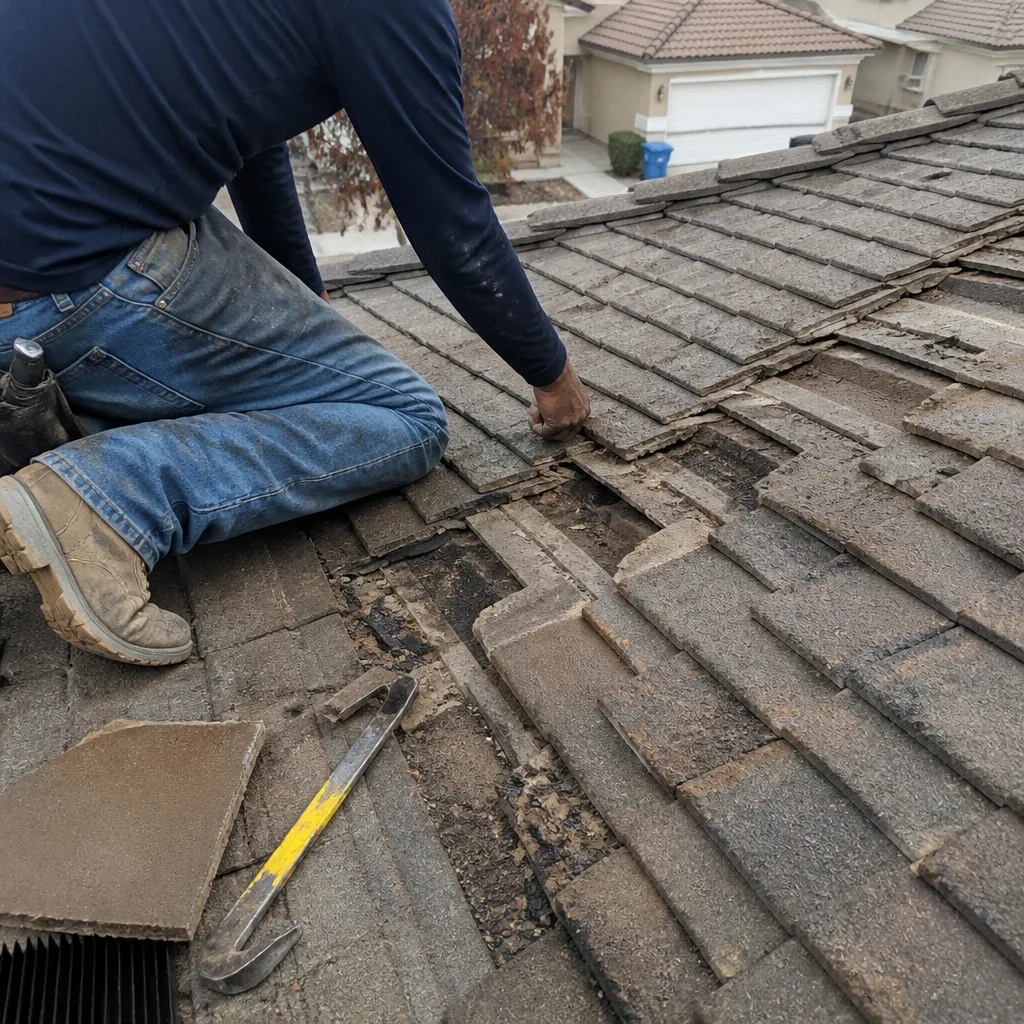 Before
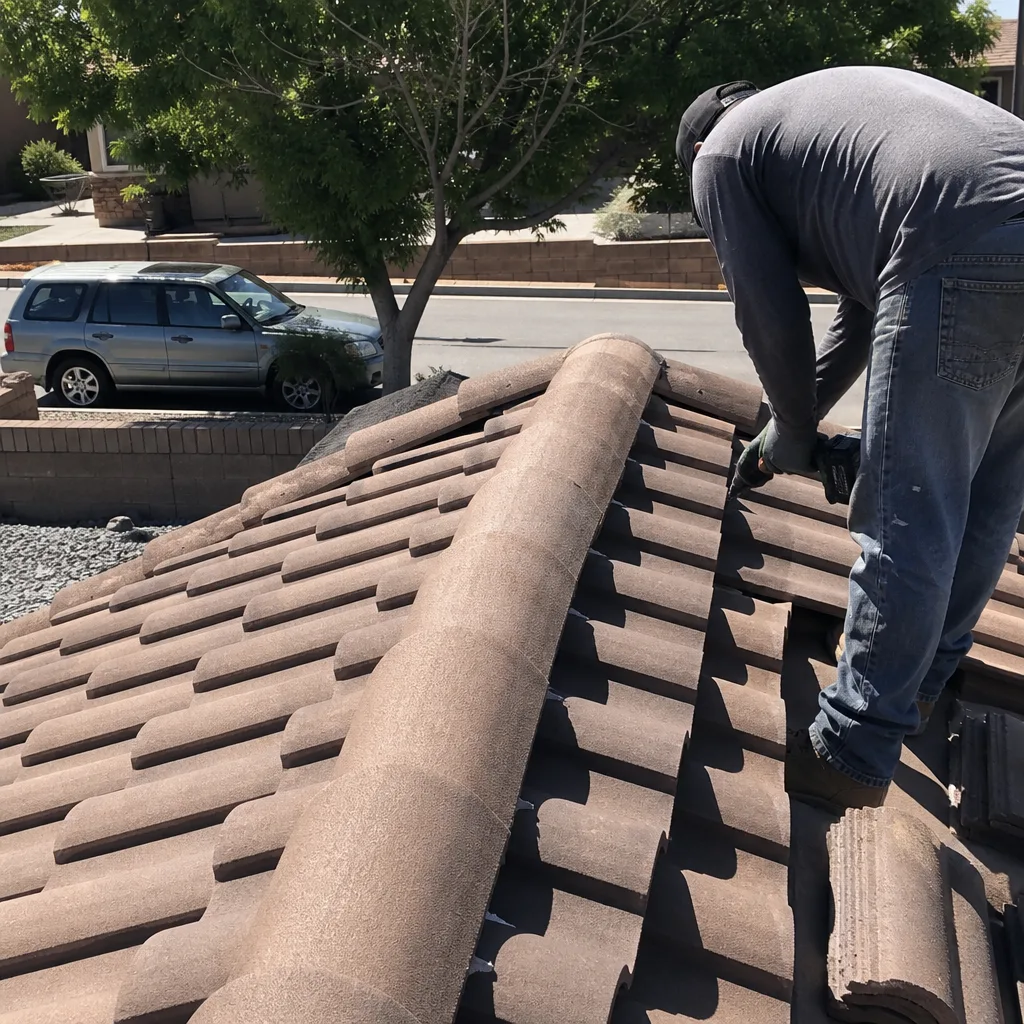 After
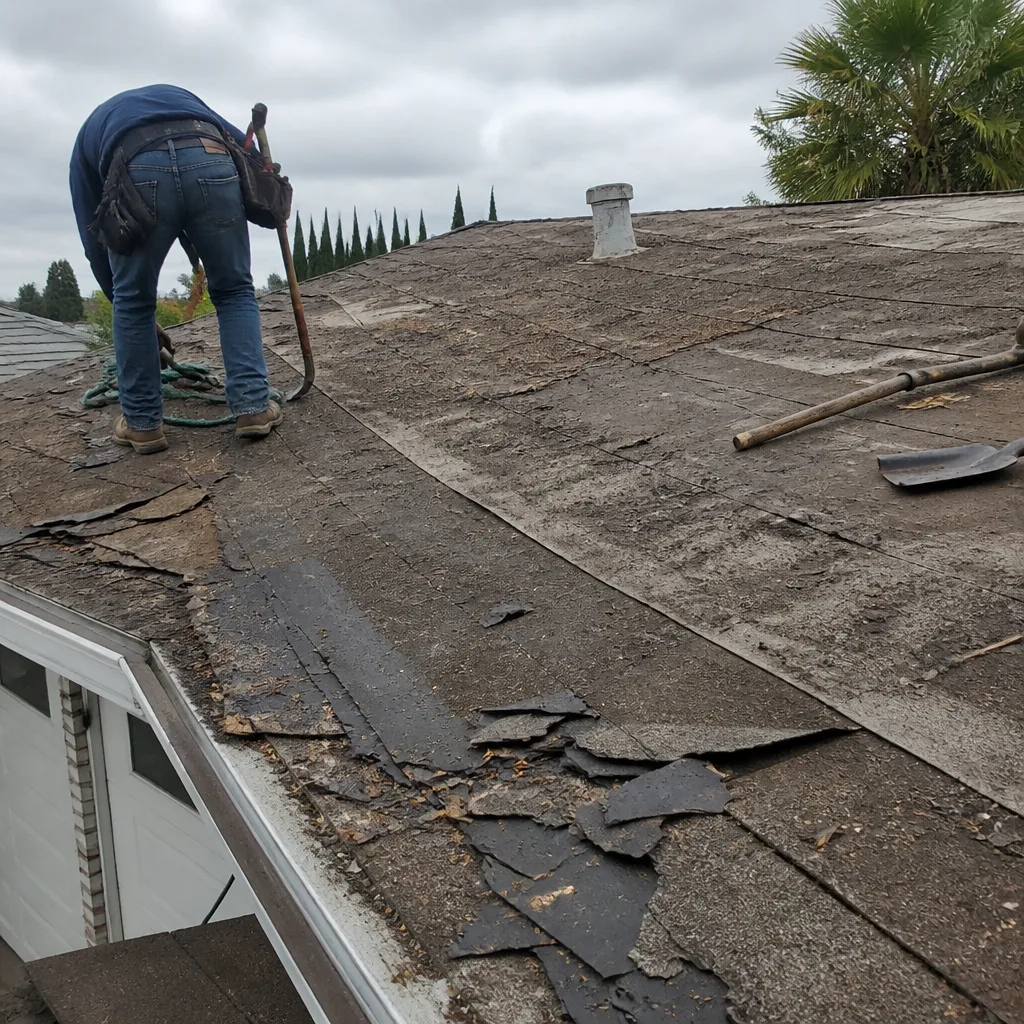 Before
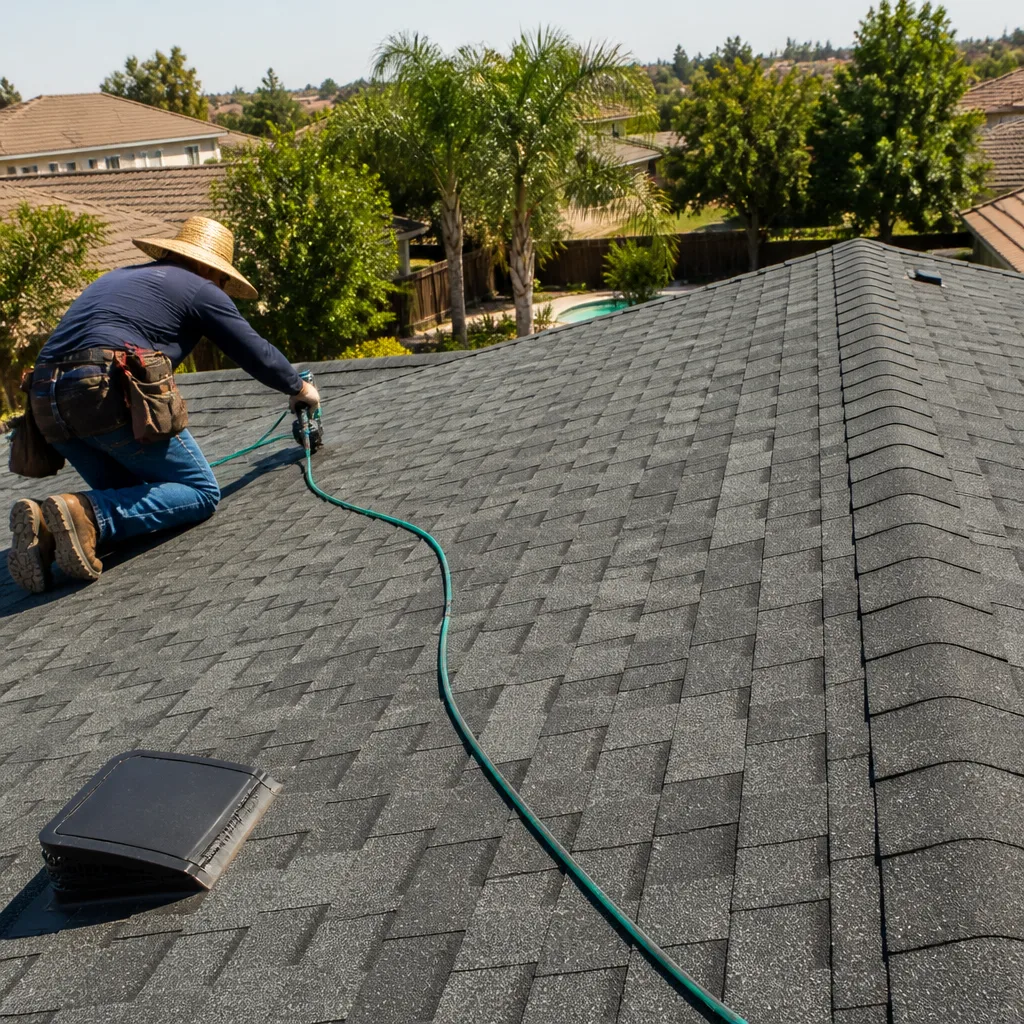 After
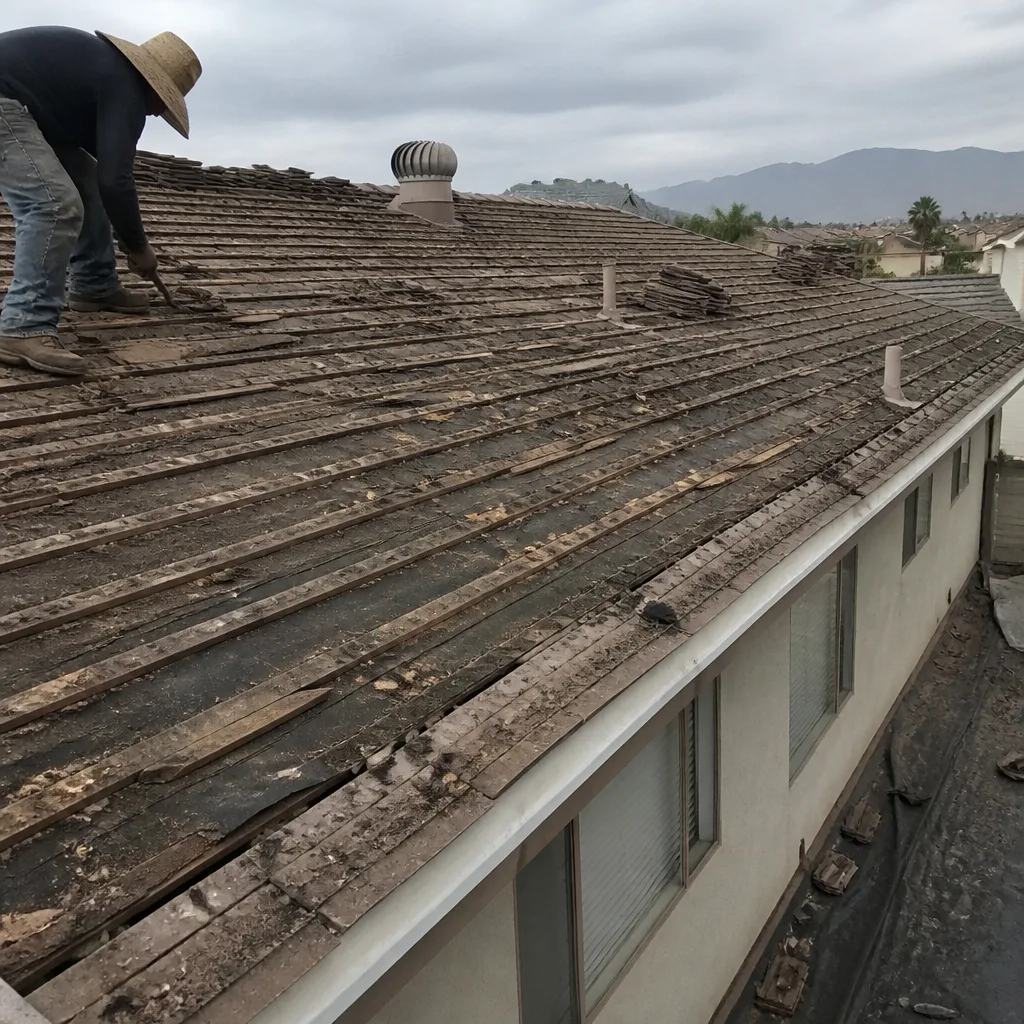 Before
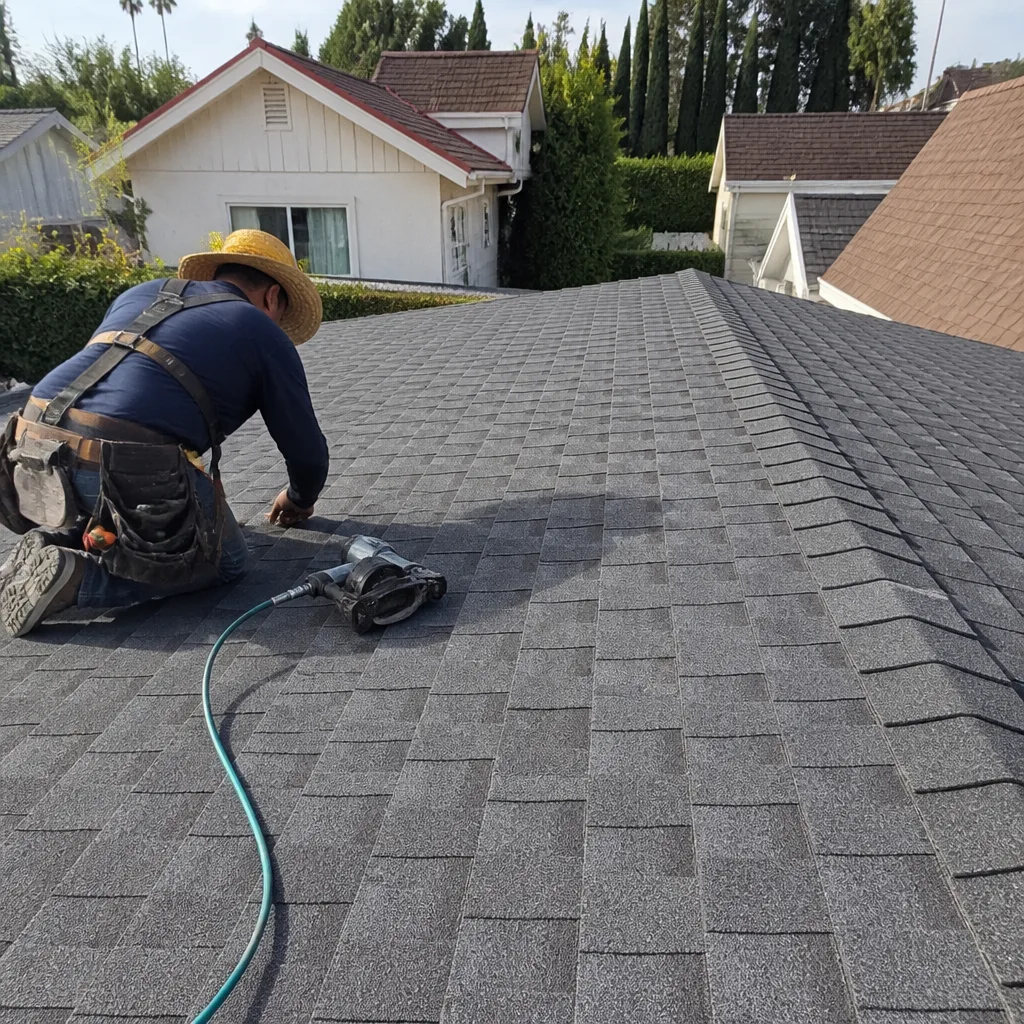 After
When to Call a Professional
Call a professional roofer if you see active water intrusion, missing ridge caps, visible daylight in the attic through the roof deck, or sagging that wasn’t there before. Also call if you’ve had a significant Santa Ana event and you can’t safely assess the northeast-facing plane from the ground. If your roof is more than 12 years old and you’ve never had a professional inspection, schedule one before the next winter rain season rather than during an emergency.
Barnwood Roofing offers free estimates in Fontana. Call (855) 382-1073 and we’ll come out, get on the roof, take photos, and tell you what’s actually going on. If a repair solves it, we’ll say so. If it’s time for more, we’ll show you the evidence and the numbers.
Frequently Asked Questions
Most roof repairs in Fontana range from $350 to $1,800, depending on the damage type, roof accessibility, and materials involved. Minor sealant work at flashing points starts around $250, while more involved repairs like valley re-flashing or decking replacement can run $700 to $1,800. Call (855) 382-1073 for an exact quote – estimates are free.
A professional inspection determines whether the damage is isolated and repairable or systemic and terminal. Key indicators for replacement include widespread shingle failure, multiple active leaks, decking rot across significant areas, and a roof age exceeding its rated service life. If the damage is confined to specific flashing points, ridge caps, or a small shingle area, repair is almost always the better financial choice.
Yes, thermal cycling is the primary roof killer in Fontana. Daily temperature swings of 50 to 60 degrees cause roofing materials to expand and contract repeatedly, which cracks sealants, splits flashing, and breaks ridge caps before field shingles show visible wear. UV exposure accelerates granule loss on asphalt shingles, reducing their protective layer years before the shingle itself fails.
Check the northeast-facing roof plane first, focusing on ridge caps, shingle tab adhesion, flashing at wall intersections, and vent caps. Lifted tabs are the most common wind damage and often appear as a slight shadow under the shingle edge. These are delayed leaks, meaning the seal is broken but water hasn’t penetrated yet. Repairing lifted tabs early is one of the least expensive interventions we perform.
Insurance typically covers roof damage from sudden, accidental events like windstorms, falling trees, or hail, but not damage from deferred maintenance or normal aging. Your policy’s specifics matter: older roofs may have actual cash value coverage that prorates the payout. Document everything with photos and timestamps before calling your insurer, and get an independent inspection report to present to the adjuster.
Yes, flat and low-slope roofs require material-specific repair protocols. The repair approach differs depending on whether the roof is torch-down, built-up, or single-ply membrane. We match the repair system to the existing roof and address drainage issues at the same time, since ponding water is the primary cause of low-slope roof failure in Fontana. Call (855) 382-1073 to schedule a free estimate for your flat roof.
The Bottom Line
Fontana’s climate punishes roofs in a specific, predictable order: flashing and sealants fail first, ridge caps crack next, then shingle tabs lift, and only after those stages do decking and structural problems emerge. The homeowners who catch damage at the flashing and sealant stage spend hundreds on repairs. Those who wait for the interior ceiling stain spend thousands. Knowing the sequence, checking after wind events, and getting an honest professional inspection before the winter rain season is the smartest money you’ll spend on your roof. From our Barnwood Roofing home base in Fontana, we’ve helped hundreds of homeowners through this exact decision, and the ones who act early always come out ahead.
Written by the team at Barnwood Roofing, serving Fontana since 2013.