Last updated October 30, 2026
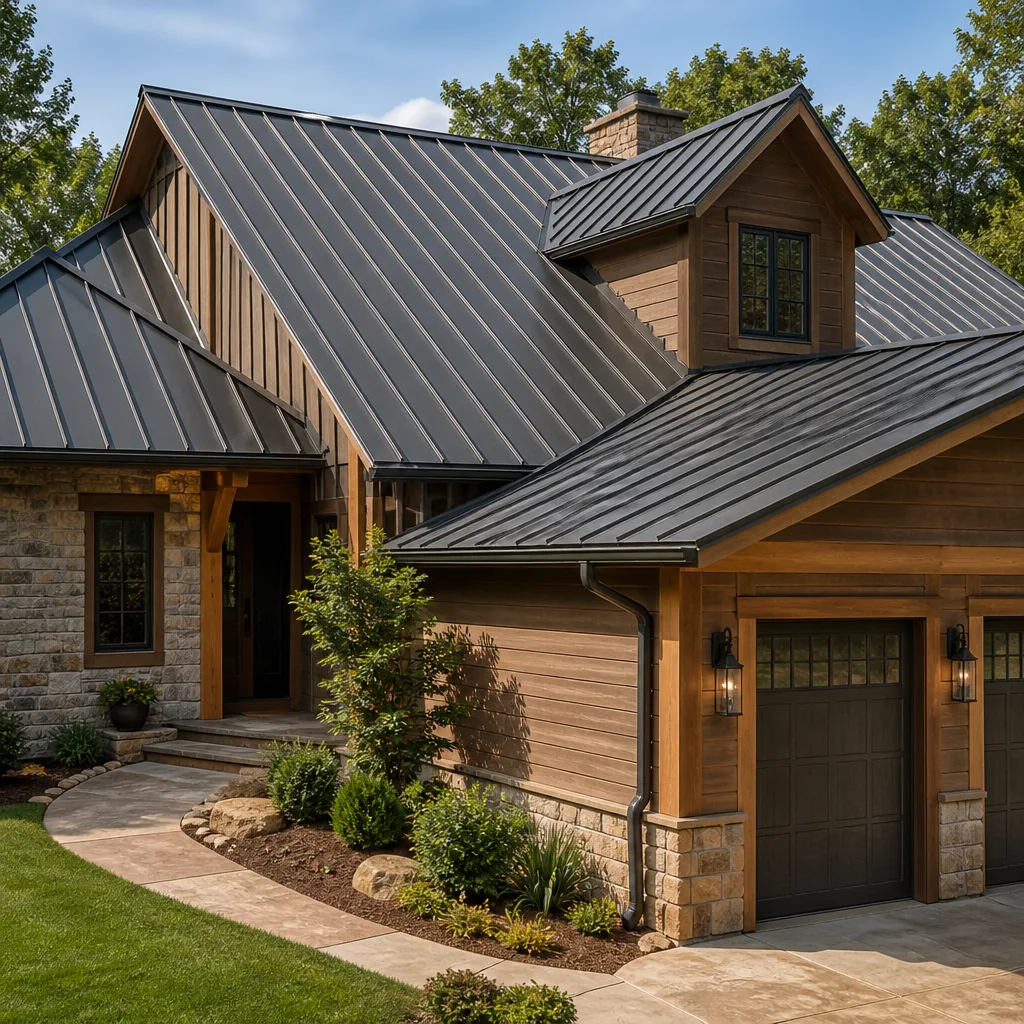 Metal roofing
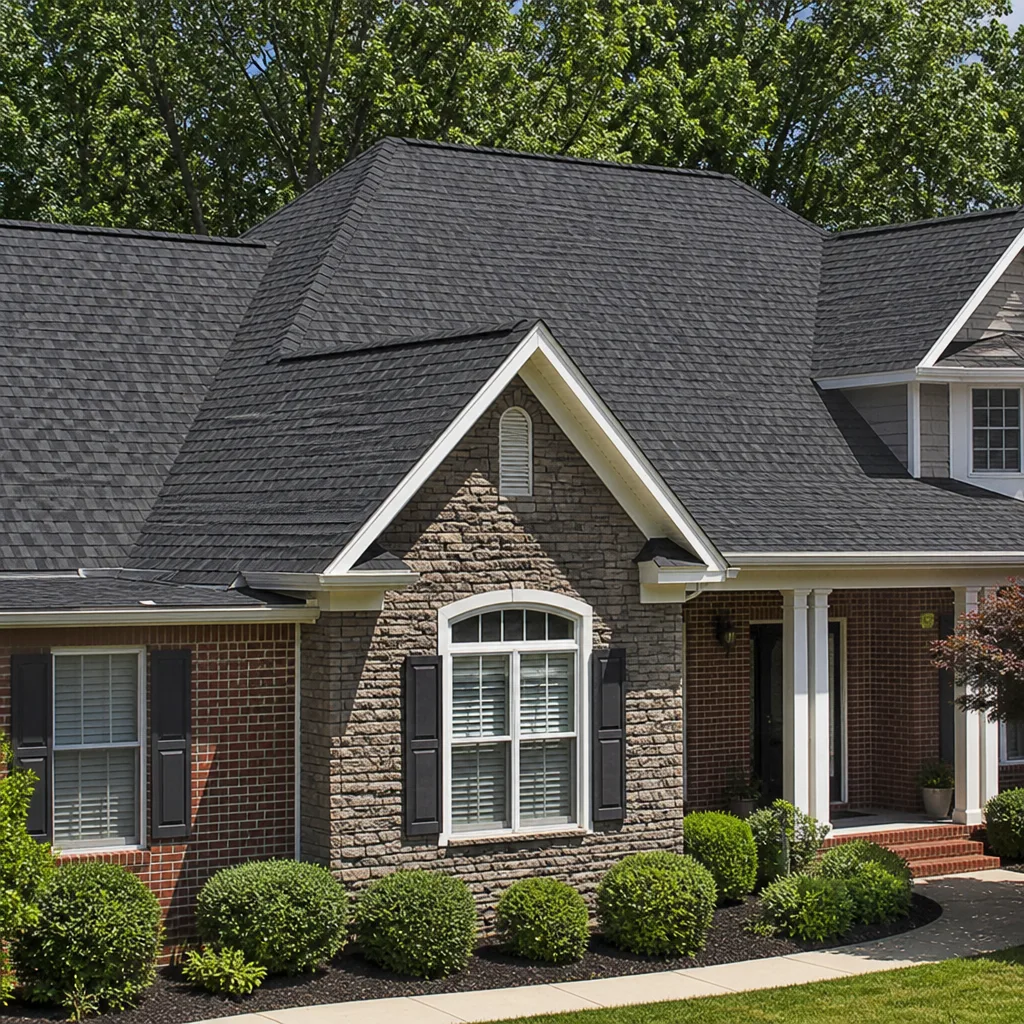 Architectural shingles
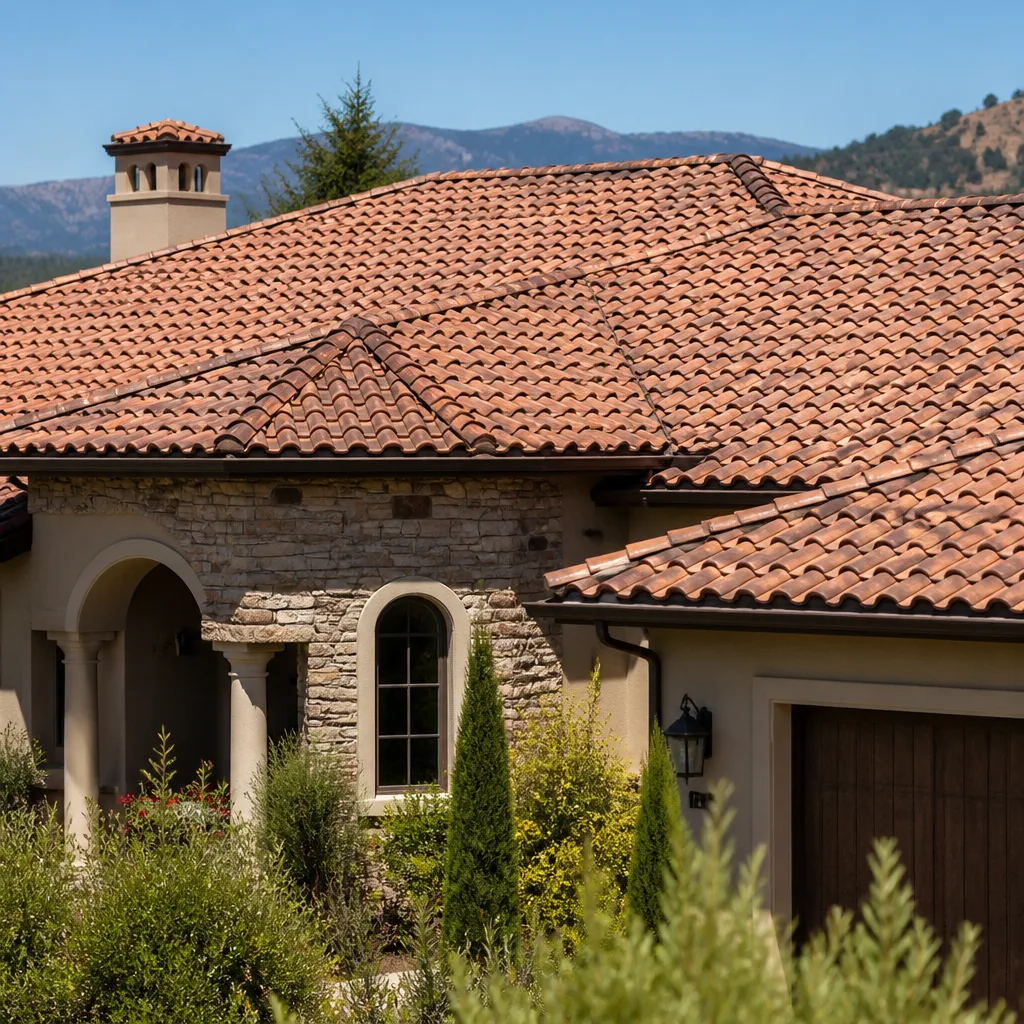 Tile roofing
 GAF
 Owens Corning
 Flat & low-slope
Free roof inspection with deck photos before we talk money - GAF and Owens Corning certified installation
The Complete Guide to Roofing in Fontana
Fontana recorded 37 days above 100°F in 2023. Most roofing guides written for “Southern California” were built around coastal conditions. Your roof is not a coastal roof. This guide explains how Fontana’s specific climate, the Inland Empire heat island, Santa Ana wind corridors, and wildfire smoke exposure should shape every roofing decision you make, from material selection to repair timing to when a full replacement actually makes sense. Whether you’re a homeowner planning for the next decade or a property investor managing a Fontana rental, you’ll leave with a working knowledge of what your roof is up against and how to make decisions that don’t backfire.
Styles & brands we work with
Quick Answer
Roofing in Fontana requires materials and installation methods built for sustained 90°F+ heat, Santa Ana wind gusts that can exceed 60 mph, and abrasive airborne particulates during wildfire season. The best roof for most Fontana homes is one that balances Title 24 cool-roof compliance with real attic-temperature performance, uses wind-rated underlayment and fastening patterns, and matches material lifespan to how long you actually plan to own the property. A professional inspection before any repair or replacement decision is the single most cost-effective step a Fontana homeowner can take.
Table of Contents
- The Climate Reality Fontana Roofs Actually Face
- Title 24 Compliance vs. What Actually Cools Your Attic
- Material-by-Material Breakdown for Fontana’s Heat
- Santa Ana Wind Specifications Most Contractors Skip
- Matching Roof Lifespan to How Long You’ll Own the Home
- Repair or Replace: A Decision Framework
- Common Mistakes to Avoid
- When to Call a Professional
- Frequently Asked Questions
- The Bottom Line
The Climate Reality Fontana Roofs Actually Face
Fontana sits in California climate zone 10, which is a polite way of saying the roof over your head regularly absorbs heat that would warp lesser materials. But the temperature reading on your car dashboard doesn’t tell the whole story. The western Inland Empire experiences a documented heat island effect, where urban surfaces like roads, parking lots, and neighboring roofs absorb solar radiation during the day and release it slowly at night. That means your roof surfaces aren’t just hot during a heatwave; they stay hot well after sunset.
Here’s what that sustained heat does over time:
- Asphalt shingle granule loss accelerates. The ceramic granules embedded in asphalt shingles protect the asphalt from UV degradation. When a Fontana roof bakes at 140°F+ surface temperatures day after day, the asphalt softens and the granules loosen faster than manufacturer warranty models assume. We’ve seen 20-year shingles in Southridge and Hunter’s Ridge neighborhoods show significant granule loss at year 9 or 10, not because the product failed, but because the environment was simply harsher than the national average the warranty math was built on.
- Thermal expansion cycles stress flashing. Flashing, the metal strips that seal roof transitions, expands and contracts with every temperature swing. Fontana’s daily swings can exceed 40 degrees between midday peaks and pre-dawn lows. Over a decade, that’s thousands of micro-movements that eventually loosen seals and create leak paths around chimneys and vent pipes.
- Attic temperatures spike higher and stay high longer. A poorly ventilated Fontana attic can reach 150°F in July and August. That heat radiates down into living spaces, forces your AC to work harder, and cooks the underside of your roof decking, accelerating plywood delamination.
Wildfire smoke adds another layer. When the Santa Ana winds push smoke from the San Bernardino Mountains and beyond into Fontana, airborne particulate settles on roof surfaces. Combined with morning dew, that particulate forms a mildly acidic film that sits on tiles and shingles. The effect is subtle, but over years it contributes to surface degradation and can stain lighter-colored roofing materials.
What this means in practical terms: the “average lifespan” printed on a roofing material’s datasheet was not written for Fontana. A smart homeowner builds a 15-20% reduction into their planning, or selects a material class with enough headroom that the reduction doesn’t matter.
Title 24 Compliance vs. What Actually Cools Your Attic
California’s Title 24 energy code requires cool-roof standards for most residential reroofing projects in Fontana. That means the roofing material must meet minimum solar reflectance and thermal emittance values, which generally translates to lighter colors or specially engineered coatings. A compliant roof reflects more sunlight and re-emits absorbed heat more efficiently than a non-compliant one.
Here’s where many Fontana homeowners get misled. Title 24 compliance is a building code requirement, not a guarantee of a comfortable attic. A roof can pass code and still leave your attic at 140°F if the ventilation system wasn’t addressed at the same time. The code governs the roof surface; your attic temperature is governed by airflow.
The two systems work together, but they’re not the same thing:
- Cool-roof surface reflects solar energy before it becomes heat. This is what Title 24 measures. A lighter-colored asphalt shingle, most clay and concrete tiles, and most metal roofing products meet or exceed the standard.
- Attic ventilation removes whatever heat does transfer into the attic space. This requires balanced intake and exhaust: soffit vents pulling cooler outside air in, and ridge vents, box vents, or powered units exhausting hot air out.
- Insulation sits between the attic and your living space, slowing heat transfer downward. In Fontana, R-38 to R-49 ceiling insulation is appropriate for climate zone 10.
- Radiant barrier is an optional layer, typically installed on the underside of rafters, that reflects radiant heat back out of the attic before it can be absorbed by insulation and framing.
When we perform a roof inspection in Fontana, the first thing we look at after the surface is whether the original builder’s ventilation design is actually doing its job. In many 1990s and 2000s Fontana tract homes, we find the original venting was minimal, maybe a couple of box vents on a 2,500-square-foot roof where code now would require significantly more exhaust capacity. A cool-roof surface on a poorly vented attic is a half-solution.
The practical takeaway: when you replace your roof in Fontana, treat the surface and the ventilation as one system. Doing one without evaluating the other leaves performance on the table. If your attic feels like standing inside an oven in August, your roof surface isn’t the only thing that needs attention.
Material-by-Material Breakdown for Fontana’s Heat
No single roofing material wins in Fontana’s climate. Each has tradeoffs in cost, lifespan, heat performance, wind resistance, and aesthetic fit for the neighborhood. Here’s how each major material class actually performs in sustained 90°F+ heat.
Asphalt Shingles
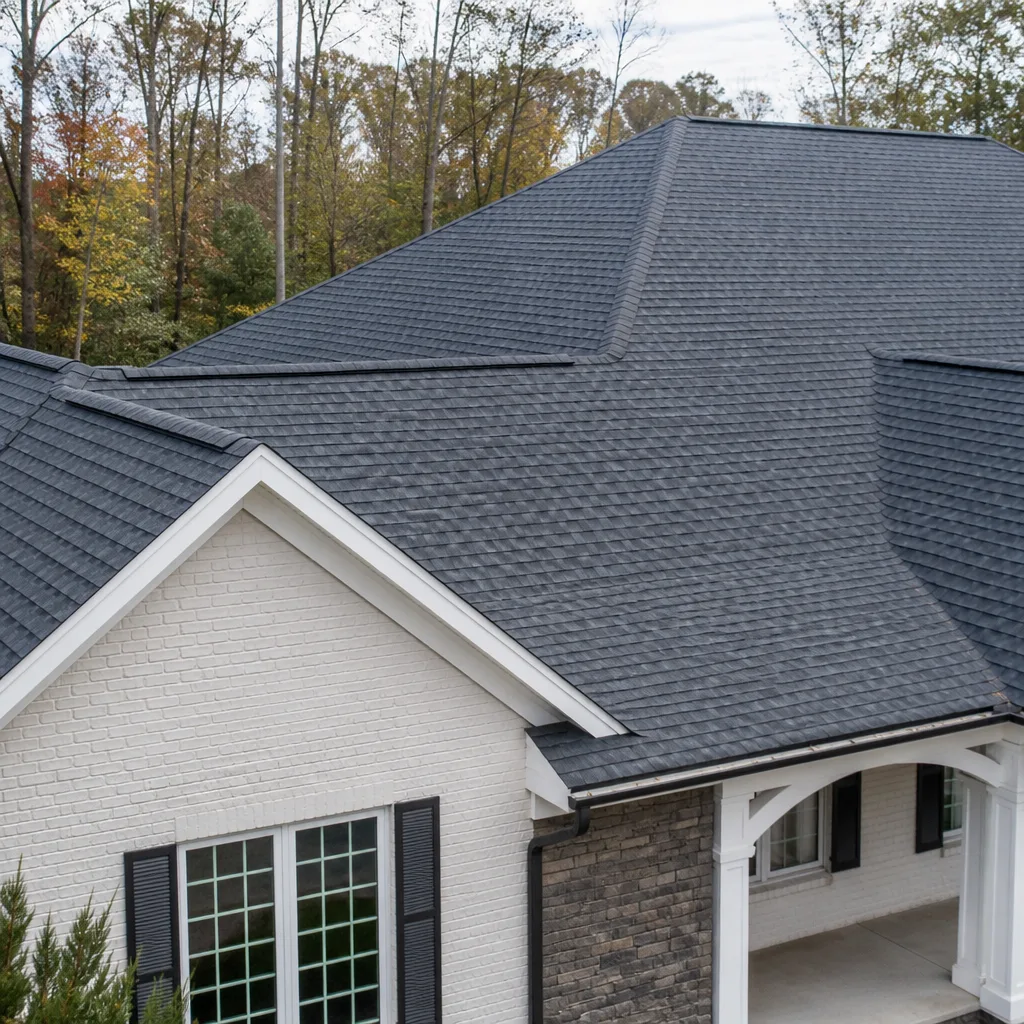
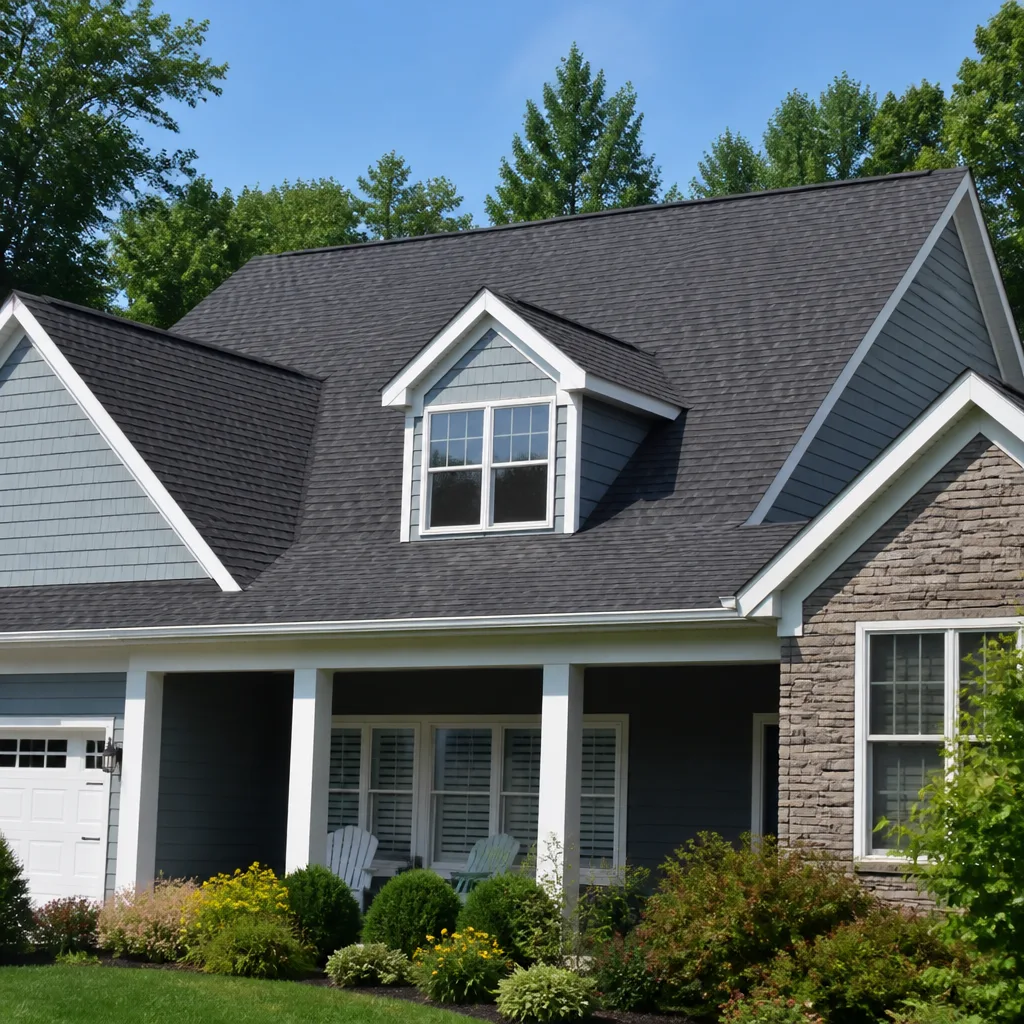
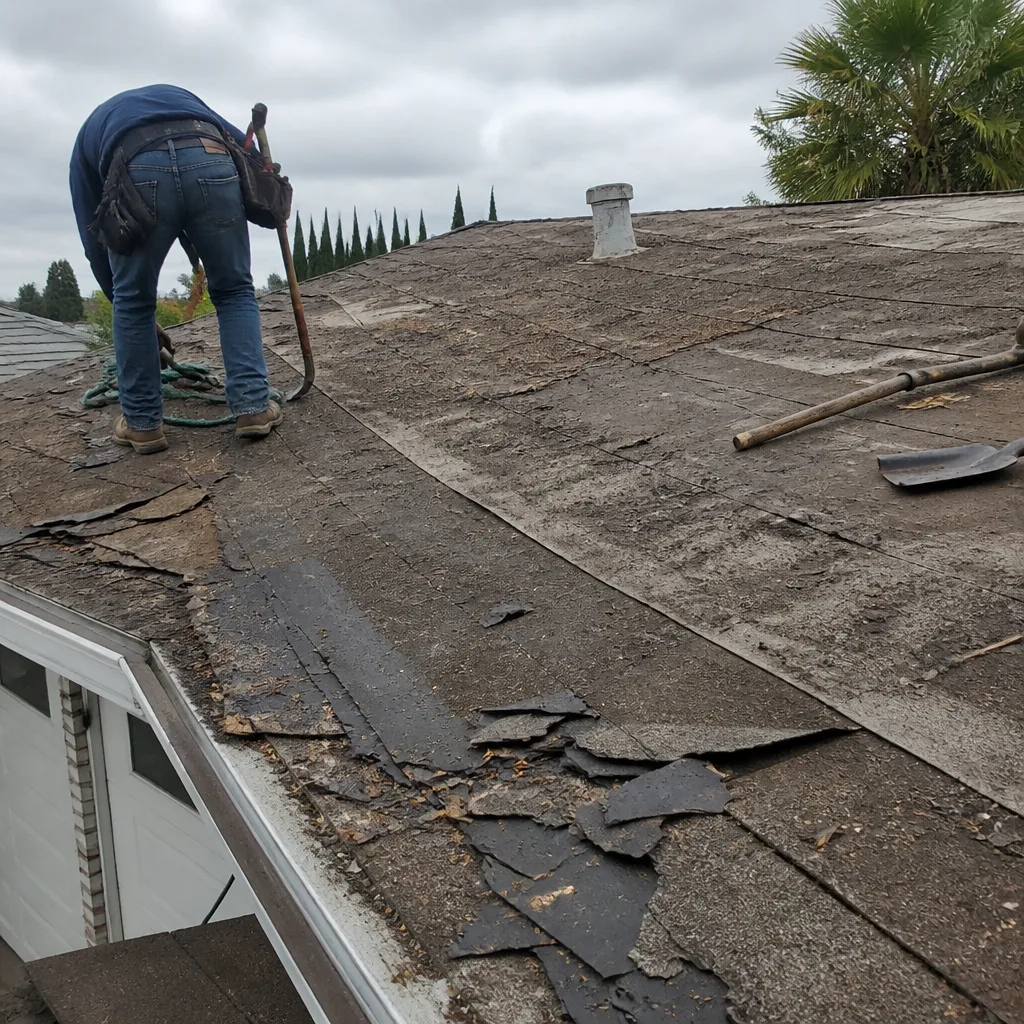
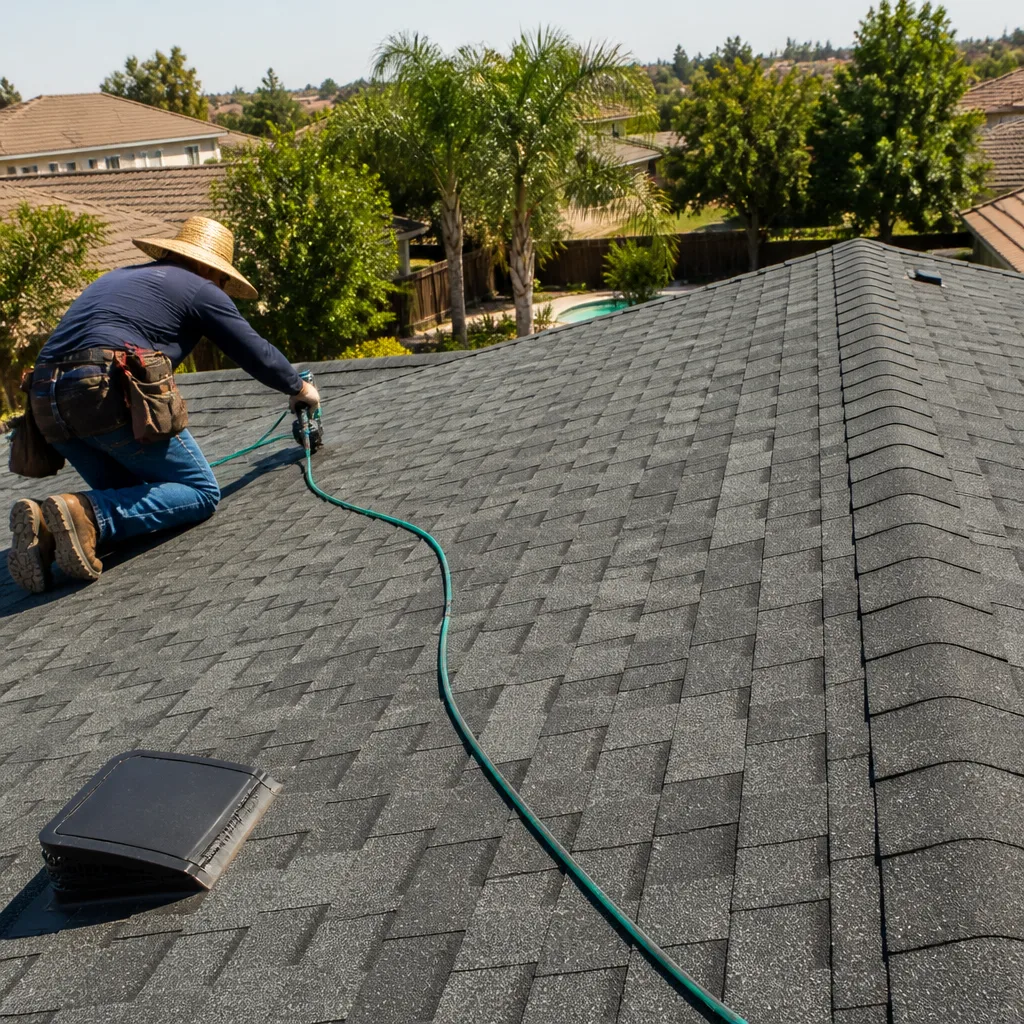
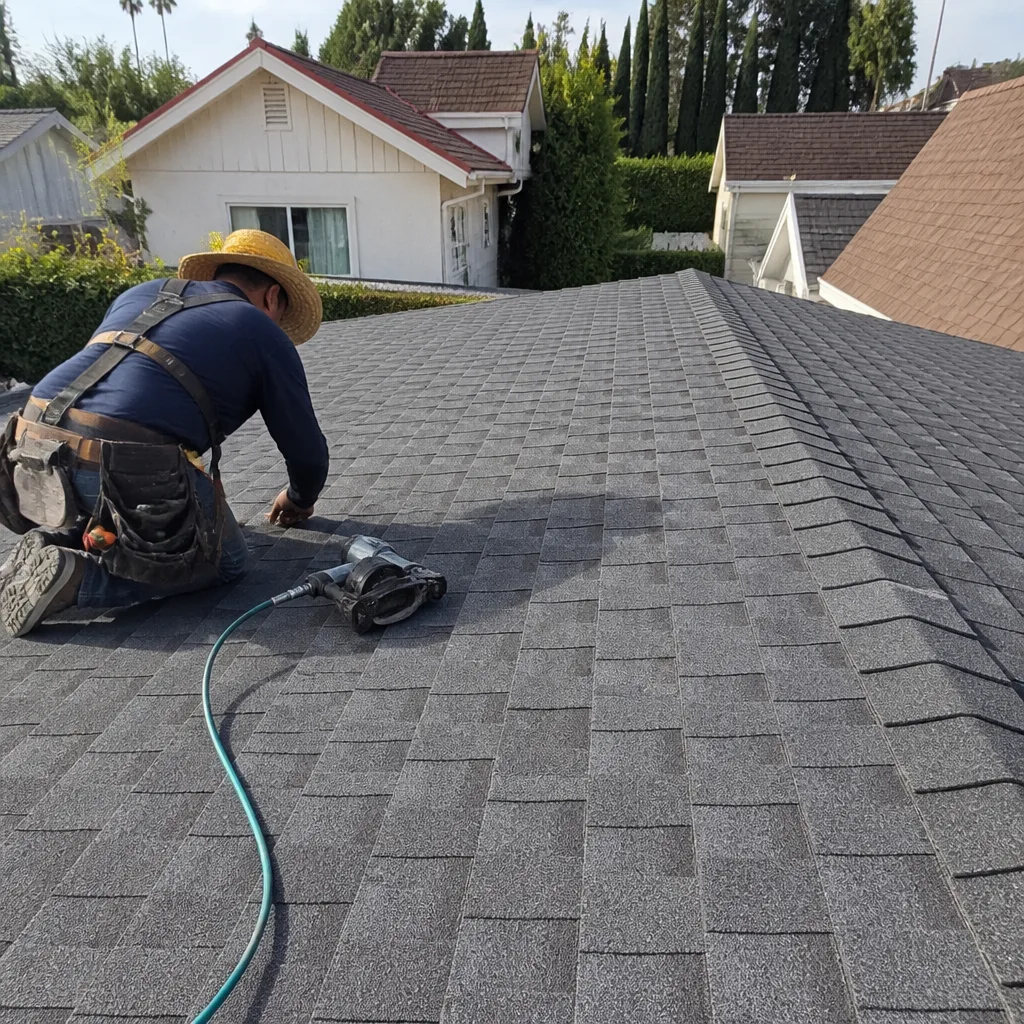
Asphalt shingles remain the most common roofing material in Fontana, and for good reason. They’re the most affordable upfront, they’re easy to repair, and modern architectural shingles from manufacturers like GAF and CertainTeed carry 30-year to lifetime limited warranties. The tradeoff in Fontana’s climate is real but manageable. Shingles absorb heat; even “cool” asphalt shingles are typically darker than tile or metal options, and their granule surfaces degrade faster here than in coastal California. When we install shingles in Fontana communities like Etiwanda or Sierra Lakes, we recommend architectural-grade products with higher granule adhesion ratings, and we’re specific about ventilation because shingle roofs live or die by airflow. For a deeper dive, see our page on roof repair in Fontana, which covers the most common shingle failure patterns we see.
Concrete and Clay Tile
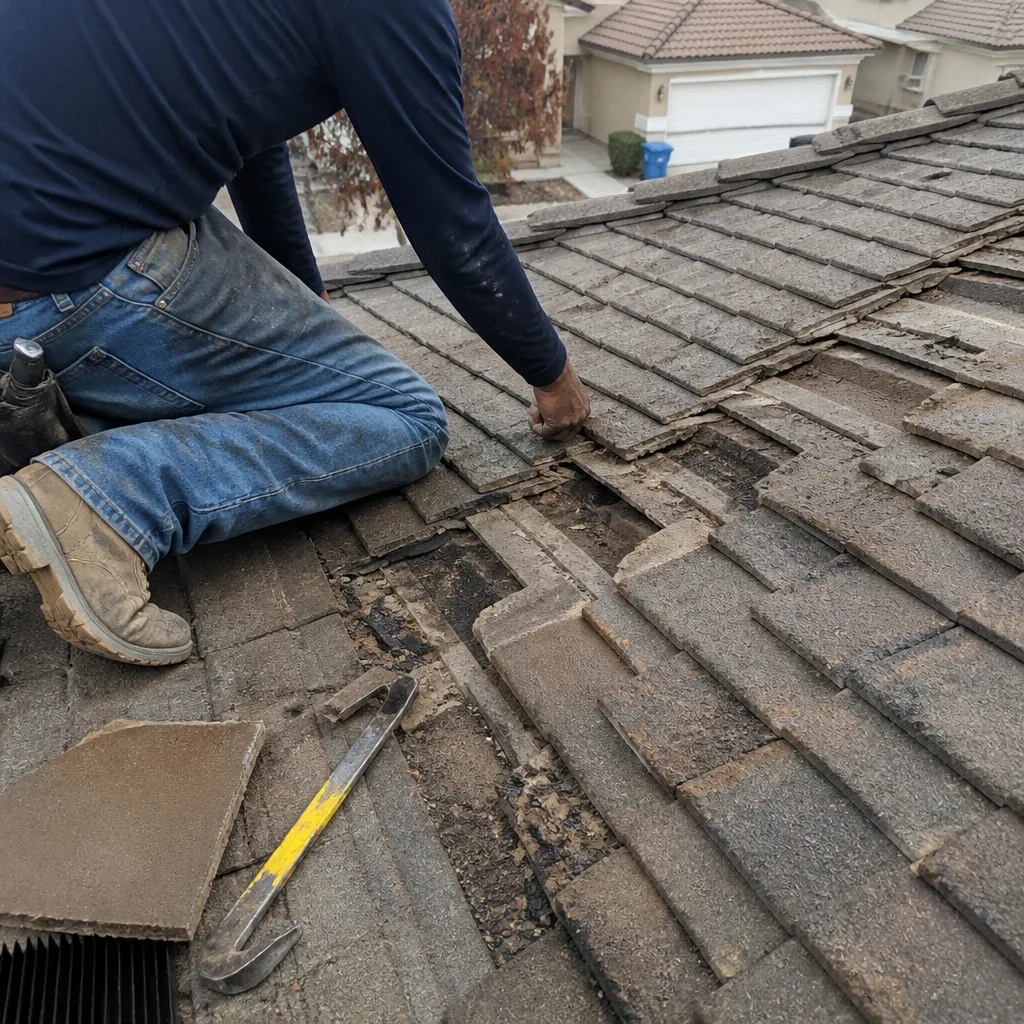
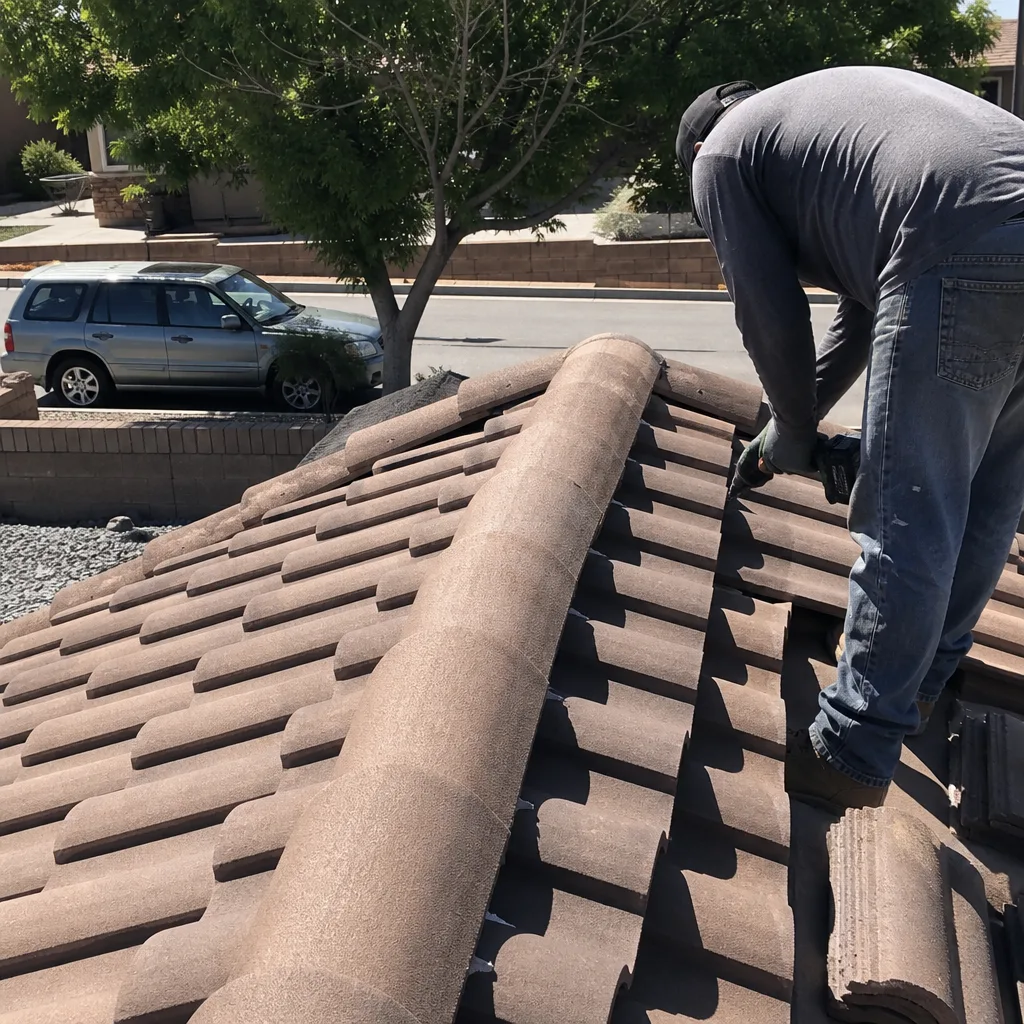
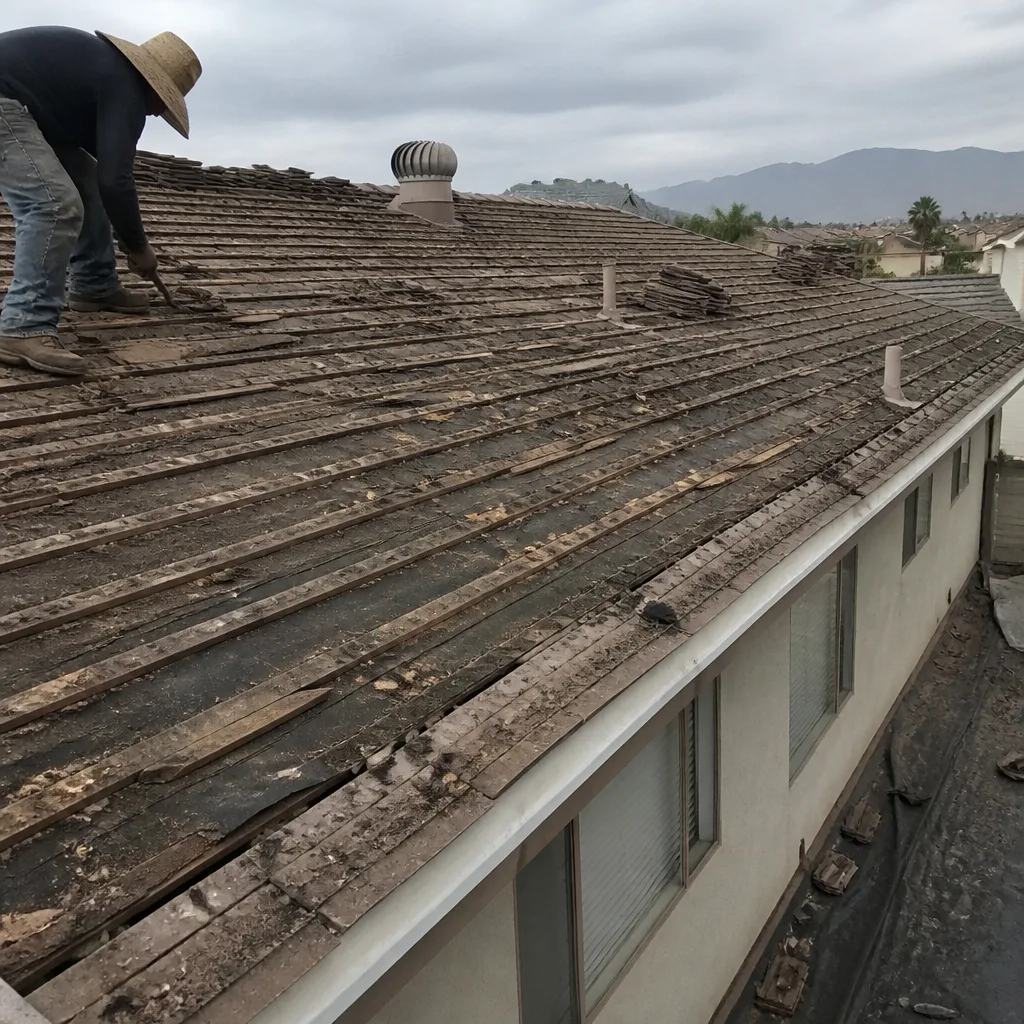
Tile roofs are ubiquitous in Fontana’s Spanish and Mediterranean-style neighborhoods, and they perform exceptionally well in heat. Concrete and clay tiles have high thermal mass, meaning they absorb heat slowly and release it slowly. A tile roof with proper battens and air channels creates a natural ventilation path that keeps the roof deck significantly cooler than a shingle roof on the same home. Boral and other manufacturers produce concrete tile in light colors that meet Title 24 cool-roof requirements without much effort. The tradeoffs: tile is heavy, typically requiring structural evaluation; it’s expensive, often 2-3x the cost of asphalt; and it’s harder to repair well when a single tile cracks or shifts. Underlayment matters enormously with tile as the roof’s real waterproofing layer, especially in Santa Ana wind events.
Metal Roofing
Standing seam metal roofs are the best-performing option for Fontana’s heat when they’re properly installed. Metal reflects well, particularly in lighter colors, releases heat quickly, and doesn’t hold residual heat the way tile does. It’s also exceptional in high-wind conditions when the panel profile and fastening system are specified correctly. The primary barriers are cost (comparable to tile or higher) and aesthetics, since metal roofs are less common in Fontana’s newer tract-home communities. For a homeowner planning to stay 20+ years, metal deserves serious consideration because it’s likely the last roof you’ll ever install.
TPO and Flat Roof Systems
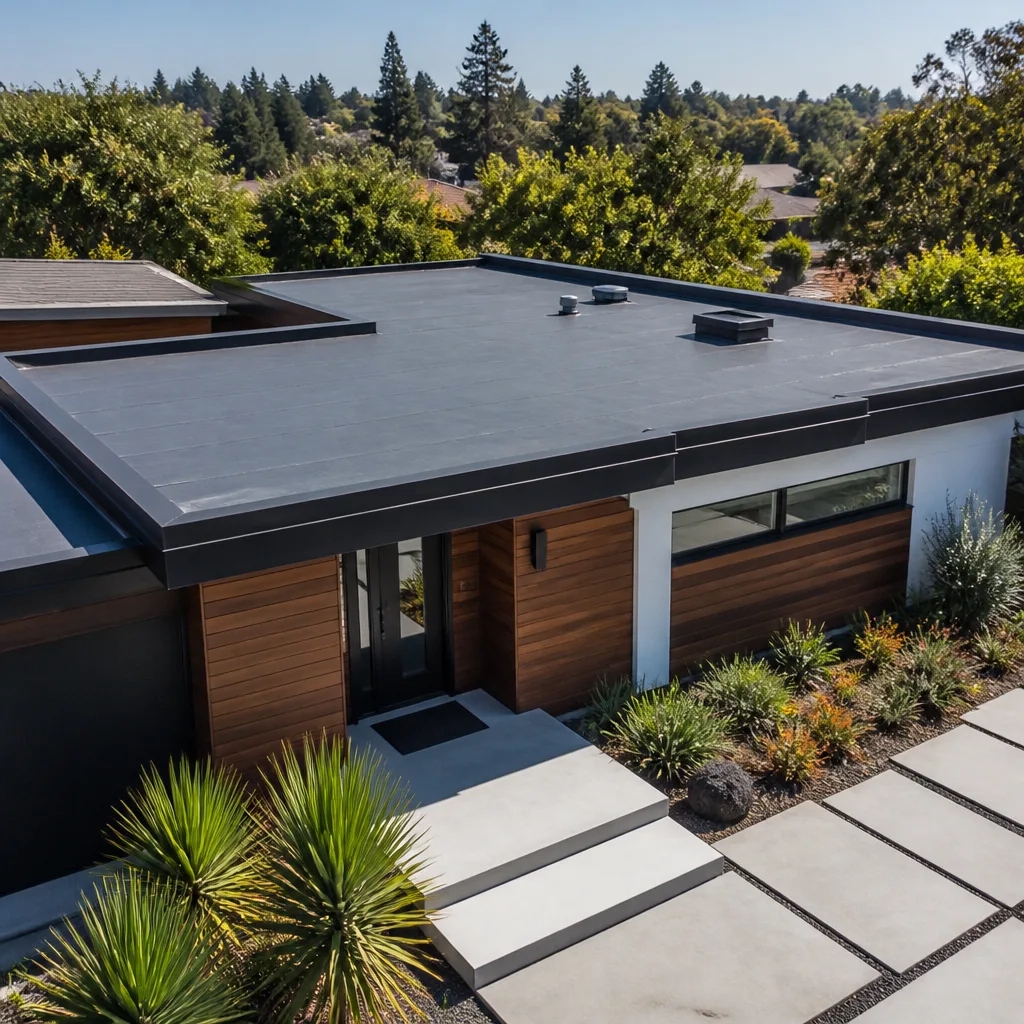
For Fontana homes with flat or low-slope roof sections, including many custom builds in the northern foothills, TPO (thermoplastic polyolefin) is the workhorse material. White TPO membrane reflects heat extremely well, is Title 24 compliant, and costs less than built-up or modified bitumen systems. Its main vulnerability in Fontana is UV and heat exposure over time, which can cause membrane seams to fail if the installation wasn’t done to spec. Single-ply roofs last 15-25 years in our climate; seam maintenance is the key to hitting the high end of that range.
Quick Cost Comparison
- Asphalt shingles: Lowest upfront cost; most common; fastest to install; moderate heat performance with proper ventilation; 15-25 years realistic lifespan in Fontana.
- Concrete/clay tile: Higher upfront cost; excellent heat performance; heavy, requires structural check; 40-70+ years with periodic underlayment replacement.
- Metal: High upfront cost; best heat reflectivity; excellent wind resistance; 40-60+ years; low maintenance.
- TPO: Mid-range cost; best for flat sections; excellent reflectivity; 15-25 years; seam maintenance critical.
One of the reasons we work across seven manufacturers, including IKO and Atlas alongside GAF and CertainTeed, is that this kind of material comparison is honest only when we’re not trying to sell you one brand. Your roofer should be able to talk through multiple options without steering you toward the brand that makes them the most margin.
Santa Ana Wind Specifications Most Contractors Skip
Santa Ana winds are the most under-discussed factor in Fontana roofing decisions. When high pressure builds over the Great Basin, dry air accelerates through the Cajon Pass and the Santa Ana River corridor, hitting Fontana with gusts that regularly exceed 50 mph and occasionally reach 70 mph in exposed areas. For a roof, sustained wind isn’t just about shingles blowing off; it’s about uplift forces, driven rain, and abrasive debris.
Here’s what a wind-spec installation in Fontana requires, and what many standard installations skip:
- Underlayment secured to withstand negative pressure. In a wind event, the roof perimeter and corners experience uplift, a suction force trying to peel the roof off. A proper Fontana installation uses a high-tensile synthetic underlayment with caps or nails at the manufacturer’s high-wind spacing, especially on the first 6 feet from the eave. Some crews still install felt with standard spacing because it’s faster. It won’t hold in a serious wind event.
- Fastening patterns at 6 nails per shingle in wind zones. The standard is 4 nails per shingle. In Fontana’s wind-exposed neighborhoods, particularly north of the 210 and along foothill corridors, we spec 6 nails per architectural shingle. The marginal material cost is tiny; the difference in uplift resistance is measurable.
- Starter strips and drip edges sealed at the eave. Wind-driven rain moves horizontally. A properly installed starter course and drip edge prevent water from being forced under the first course of shingles at the eave and rake edges. This is a detail you can’t see from the ground, but it’s the difference between a roof that leaks after its first Santa Ana rain and one that doesn’t.
- Tile roofs need proper attachment at ridge and hip lines. Loose ridge tiles become projectiles in high wind, damaging neighboring properties and your own roof. Mechanical fasteners at ridges and hips, not just mortar or adhesive, are the standard we hold to on every tile roof we inspect.
- Flat roof membranes need perimeter reinforcement. TPO and similar systems are vulnerable at parapet walls and corners where wind creates the strongest suction. Reinforced perimeter attachment and sealed termination bars are non-negotiable in Fontana.
If you’re getting quotes for a roof replacement in Fontana, the wind-spec questions are worth asking directly. A contractor who can’t answer “how many nails per shingle do you use and why?” should concern you. For more on what a proper replacement entails, see our page on roof replacement in Fontana.
Matching Roof Lifespan to How Long You’ll Own the Home
One question most roofing guides never address: how long do you actually plan to own this house? The answer changes what you should buy.
The average American homeowner stays in a home for roughly 13 years. In Fontana, that figure is influenced by two competing forces. Many families in neighborhoods like Northgate, Rancho Fontana, and Sierra Lakes are long-term owner-occupants who plan to stay 20 or 30 years. Simultaneously, Fontana has a substantial share of rental properties and investment homes where ownership is measured in 5-10 year cycles.
Here’s how that should shape your decision:
- Planning to stay 20+ years: The calculation favors materials with the longest service life and the best energy performance. Tile or metal starts to make sense despite higher upfront cost because the total cost of ownership over three decades beats installing two asphalt roofs. You’ll also live inside the benefit of a cooler attic and lower summer energy bills.
- Planning to stay 10-15 years: Architectural asphalt shingles are the rational choice. You’ll get 15-20 years of service in Fontana with good ventilation and wind-spec installation, and you won’t be paying for decades of lifespan you won’t use. Choose a mid-to-upper tier architectural shingle for granule adhesion and wind rating.
- Holding as an investment property or likely to sell within 10 years: A quality asphalt shingle roof with a transferable warranty is the pragmatic option. Don’t over-improve. A tile roof on a rental property in a neighborhood of shingle roofs won’t return its cost in either rent premium or sale price. Focus on a clean installation and documentation that survives a home inspection.
The mistake we see most often in Fontana is a homeowner spending tile money on a home they’ll sell in eight years, or worse, a homeowner doing a cheap shingle job on their forever home and paying for it twice. The material isn’t good or bad; the match to your tenure is what matters.
Repair or Replace: A Decision Framework
Every roofer has a financial incentive to recommend replacement over repair. A replacement is a bigger job with bigger revenue. A repair is a smaller job with smaller revenue. You should understand the incentives at play when you call a contractor.
At Barnwood Roofing, we built our business around a simple principle: inspection first, recommendation second. We perform repairs as a core service, which means we don’t have a structural reason to oversell you a new roof. Our livelihood doesn’t depend on convincing you that a repairable roof needs to be torn off. An honest roof inspection in Fontana starts with a factual assessment of what’s wrong, what can be fixed, what’s likely to fail next, and what the cost difference actually is.
Here’s a framework we walk homeowners through when they’re deciding between repair and replacement:
- What’s the age of the roof? Asphalt shingle roofs in Fontana realistically last 15-25 years depending on material tier, ventilation, and exposure. If you’re at year 18-20 and experiencing recurring leaks, you’re approaching replacement territory regardless of what any individual repair accomplishes.
- What’s the scope of the damage? A leak around a single pipe boot or a small section of damaged flashing is a repair. Widespread granule loss, curling shingles across multiple roof planes, or water staining on the underside of the decking indicates systemic aging.
- How many repairs have you done in the last three years? If you’ve patched three different leaks, the roof is telling you something. At some point, the cumulative cost of chasing failures exceeds the cost of a systematic solution.
- Is there decking damage? If water has penetrated to the plywood or OSB decking, the repair scope expands. Localized decking replacement is possible, but widespread decking damage is a strong signal that water has been getting in for a while.
- What does the underside look like? A roofer should inspect from the attic side too. Staining, mold, or soft spots on the decking tell a story that the roof surface alone can’t.
The right answer isn’t always the expensive one. Sometimes a $400 repair buys you three more years to budget for a proper replacement. Sometimes a $400 repair is throwing good money after a roof that’s already failed. The only way to know is an honest assessment from someone who isn’t financially motivated to steer you toward the bigger job.
Common Mistakes to Avoid
- Choosing a roofer based on price alone. Fontana has dozens of roofing contractors. The cheapest bid often means a crew that’s paid by the job and rushes through details you can’t see: underlayment laps, nail spacing, flashing integration. A roof is a 20-year purchase; quality differences don’t show up for years.
- Replacing a roof without addressing ventilation. You can spend $20,000 on a new cool-roof surface with the best shingles on the market, and still have a 140°F attic if your ventilation was never evaluated. The surface and the airflow are one system, and a roofer who only talks about the surface is missing half the job.
- Putting tile on a roof structure not evaluated for it. Tile is heavy. Before any tile installation in Fontana, a structural evaluation is required. Skipping this step can cause cracked drywall, sagging ridges, and, in extreme cases, structural compromise. No aesthetic preference is worth that risk.
- Ignoring Santa Ana wind specs to save money. The difference between a standard installation and a wind-spec installation is maybe 5-8% on the total project cost. The difference in performance during a Fontana wind event is the difference between a roof that holds and a roof that sheds shingles and leaks.
- Waiting until the rainy season to call a roofer. Fontana has a defined rainy season, and every year homeowners rush to get roof work done in October and November as the first storms arrive. Contractors book out weeks in advance. The time to address a known leak or aging roof is spring or summer, when scheduling is flexible and crews aren’t rushed between storms.
- Trusting a warranty without reading the fine print. Manufacturer warranties are valuable, but they have exclusions and limitations. A “lifetime” shingle warranty may cover materials but not labor after a certain year, and may be voided by improper installation or ventilation issues. Multi-brand access matters because it lets you compare warranty terms honestly, not just product names.
- Over-improving for the neighborhood. A tile roof on a starter home in an asphalt-shingle neighborhood won’t return your investment at sale. Buy the best roof for your home and your tenure, not the most expensive option on the market.
When to Call a Professional Professional
Roof work is one of the most dangerous categories of home improvement, and it’s also one where DIY mistakes are invisible until it rains. If you see water staining on a ceiling or wall, don’t wait; a roof leak in Fontana during the dry season can sit hidden in the decking and insulation for months before it shows itself. If you’ve noticed granules collecting in gutters, shingles lifting at the edges, or tiles that have shifted out of alignment, these are early warning signs that a trained eye should evaluate. Walking a roof yourself, especially a two-story Fontana home with a steep pitch, is a fall risk that isn’t worth taking. Barnwood Roofing offers free estimates for homeowners across Fontana, and we’re happy to tell you if a repair is enough. Call (855) 382-1073 and we’ll take a look.
Frequently Asked Questions
A full roof replacement in Fontana typically ranges from $9,000 to $25,000 for an asphalt shingle roof on an average 1,800-2,500 square foot home, with tile and metal systems running $18,000 to $45,000 or more depending on material tier, roof complexity, and structural requirements. The exact figure depends on your roof’s size, pitch, the number of penetrations, whether decking replacement is needed, and the material you select. Call (855) 382-1073 for a line-item written estimate; it’s free and it’ll give you a real number instead of a vague range.
Asphalt shingle roofs in Fontana realistically last 15-25 years, tile roofs last 40-70+ years with periodic underlayment replacement, metal roofs last 40-60+ years, and TPO flat roofs last 15-25 years. Fontana’s heat island effect and Santa Ana winds tend to shorten asphalt shingle lifespan by roughly 15-20% compared to coastal California installations. Proper ventilation and wind-spec installation are the biggest factors you can control in extending that lifespan.
Yes, a Title 24 compliant cool roof combined with proper attic ventilation can reduce attic temperatures by 20-40°F, which directly reduces the load on your air conditioning system during Fontana’s six-month cooling season. The savings vary by home size, insulation level, and AC efficiency, but most Fontana homeowners report noticeable differences in summer energy bills after a cool-roof installation. The roof surface alone does part of the work; the ventilation upgrade completes it.
Repair is a viable option when the damage is localized, typically involving flashing, a few damaged shingles or tiles, a pipe boot, or a small section of decking, and when the roof is less than two-thirds through its expected lifespan. A professional inspection can tell you whether the underlying roof is still sound enough to make repair cost-effective. At Barnwood Roofing, repairs are a core service, not an afterthought; we’ll tell you if a repair is enough and won’t push a replacement when one isn’t warranted. Call (855) 382-1073 to schedule a free estimate and find out which path makes sense for your Fontana home.
Metal standing seam and properly installed concrete or clay tile are the most wind-resistant roofing materials, but a properly wind-spec’d asphalt shingle roof with 6 nails per shingle, synthetic underlayment, and sealed eaves performs very well in Fontana’s wind events. The installation details matter more than the material class in most cases. A poorly attached tile roof is more dangerous than a well-attached shingle roof because loose tiles become projectiles.
We recommend an inspection at least once every three years in Fontana, and annually if your roof is more than 15 years old or you live in a wind-exposed area north of the 210. After any major Santa Ana event with sustained winds over 50 mph, a quick inspection is worth the cost. An inspection is a standalone service; you’re not committing to anything by having one done. Call (855) 382-1073 to schedule a roof inspection in Fontana.
The Bottom Line
Fontana roofs face a combination of conditions that generic California advice doesn’t account for: sustained heat island temperatures, drying Santa Ana winds, wildfire smoke particulate, and a climate zone that demands both code compliance and practical performance. The smartest decisions start with an honest inspection, address surface and ventilation together, match material lifespan to your ownership timeline, and never skimp on the wind-spec details that don’t play well in a price comparison. Seven brands, one honest recommendation: the right material for your roof, not just what a contractor happens to stock. Built to last starts with built to fit your situation.
Written by the team at Barnwood Roofing, serving Fontana since 2013.
See the difference
 Before
 After
 Before
 After
 Before
 After