
Last updated October 30, 2026
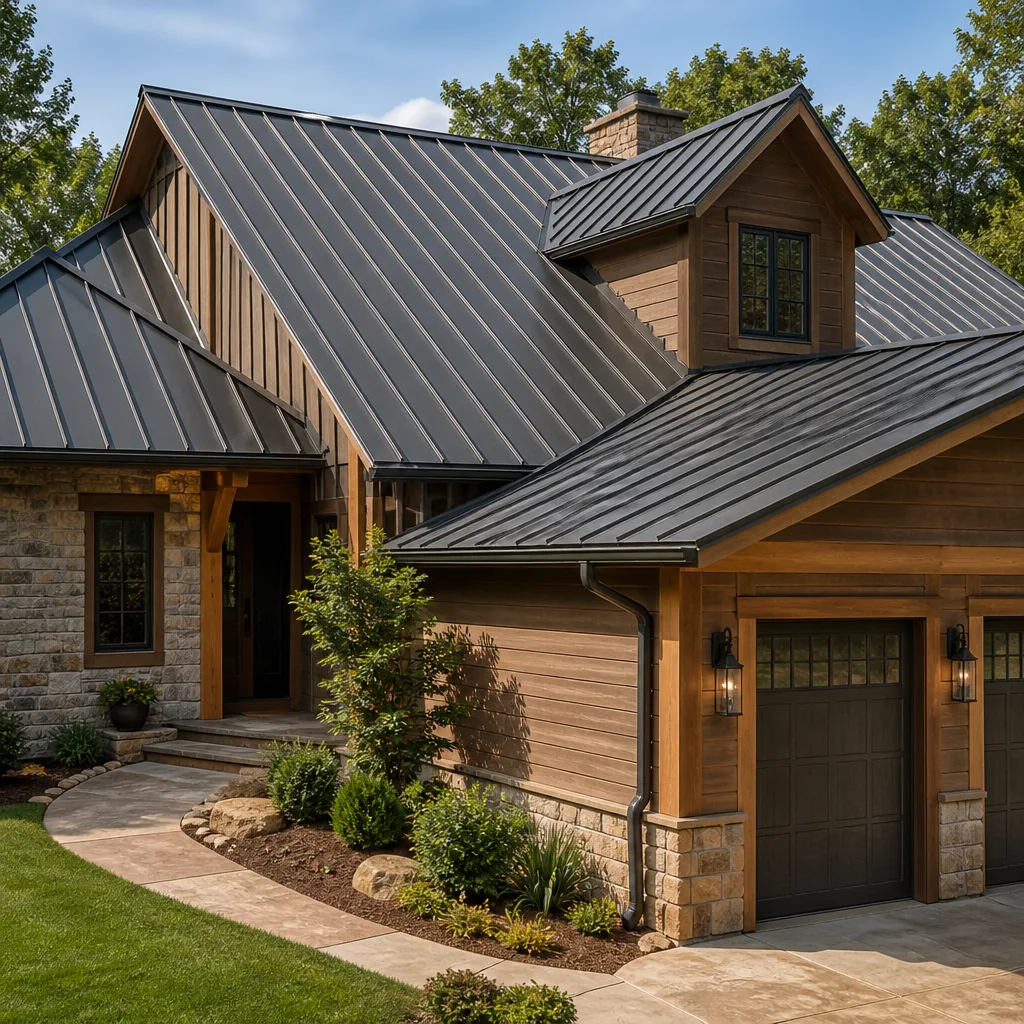 Metal roofing
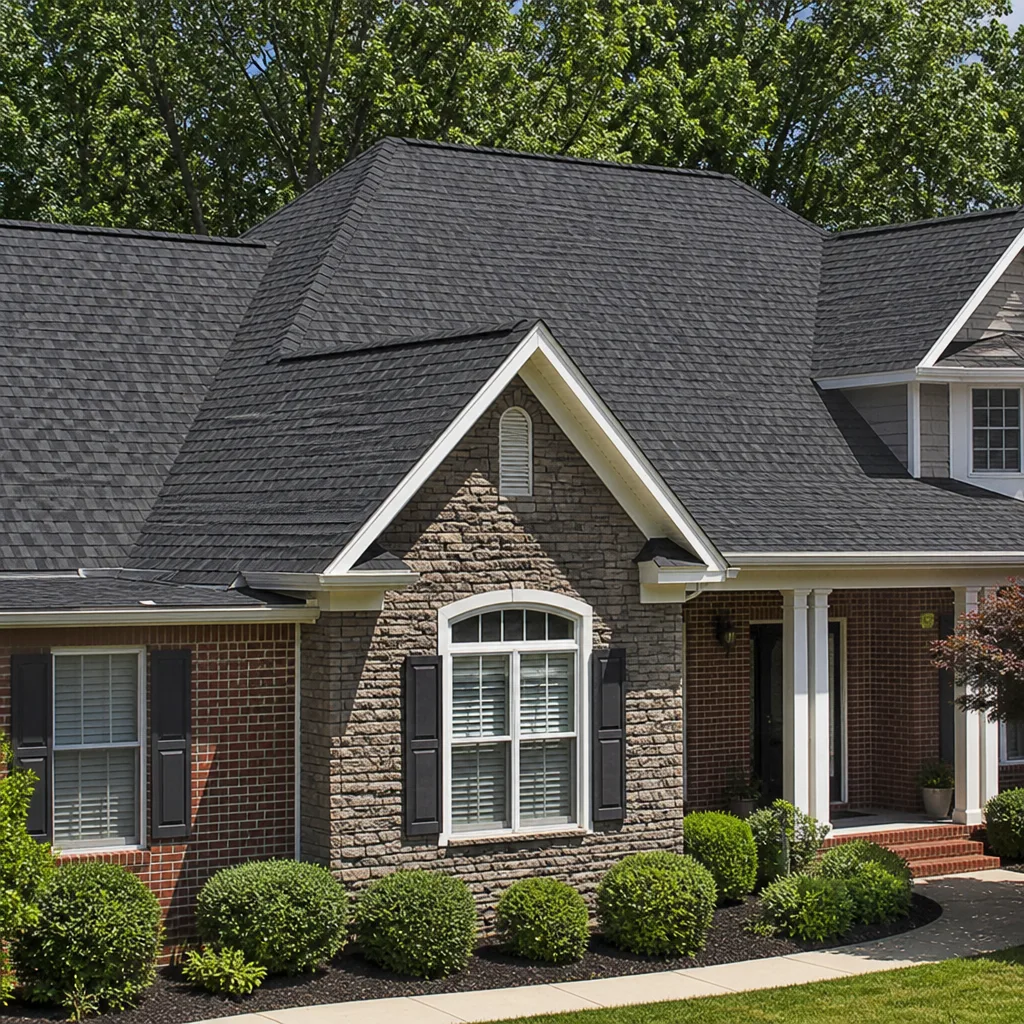 Architectural shingles
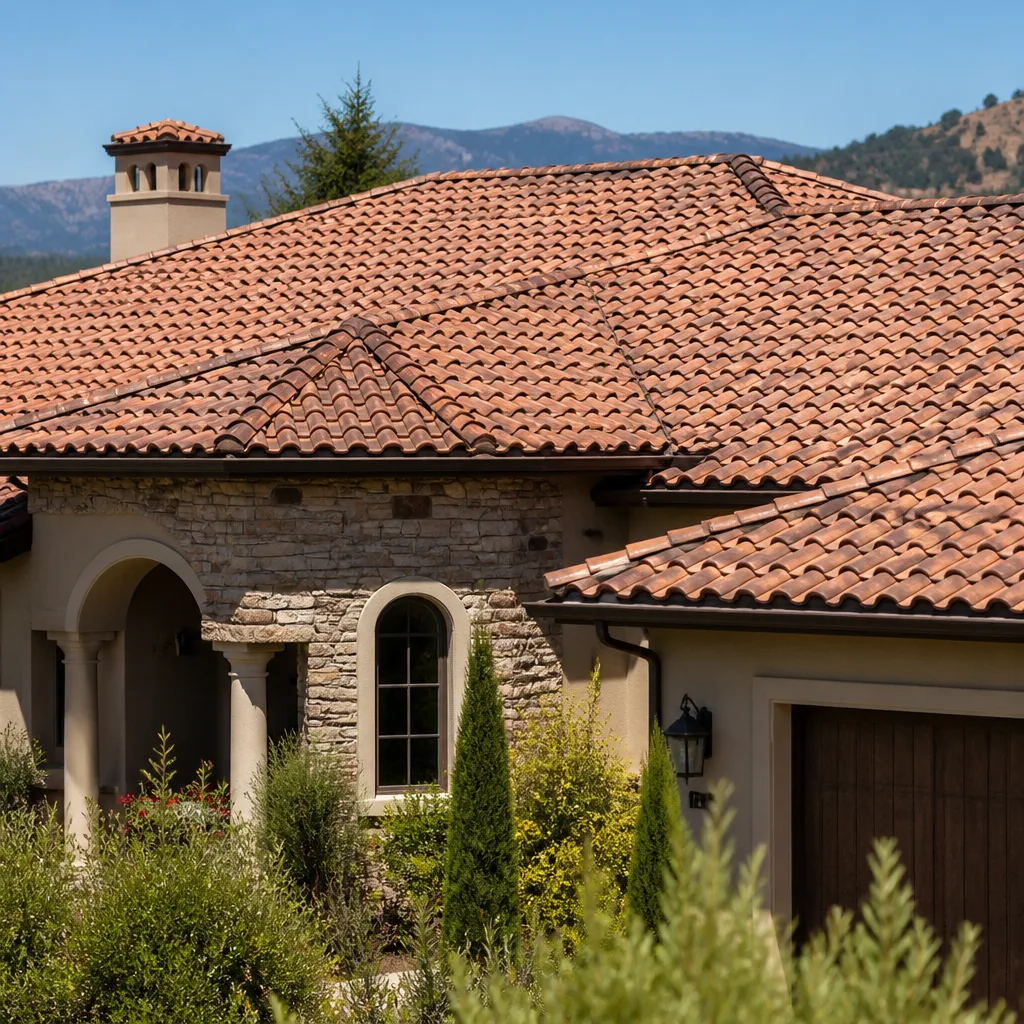 Tile roofing
 GAF
 Owens Corning
 Flat & low-slope
Free roof inspection with deck photos before we talk money - GAF and Owens Corning certified installation
Roofing Emergency Preparedness Guide for Fontana Homes
In Fontana, the difference between a $1,200 repair and an $18,000 claim complication often comes down to what a homeowner does in the first two hours after discovering roof damage. The Santa Ana winds that rip through the Cajon Pass hit Fontana harder than most Inland Empire cities, and the damage pattern they leave behind is specific enough that mistaking it for ordinary storm damage changes how you should respond. This guide walks through the three emergency scenarios Fontana homeowners actually face, what to do in sequence, and where the expensive mistakes happen. By the end, you’ll know exactly how to protect your home without accidentally shrinking your insurance payout.
Quick Answer
In a Fontana roofing emergency, document everything with photos and video before touching anything, call your insurer within 24 hours to open a claim, then apply temporary weatherproofing only after the adjuster has documented the damage or given you written approval to proceed. Wind damage from Santa Ana events, storm infiltration, and wildfire ember exposure each require different immediate responses, and treating them as interchangeable is how homeowners void coverage or lock in lower settlements. Barnwood Roofing offers free estimates in Fontana at (855) 382-1073 if you need a professional assessment before filing.
Styles & brands we work with
Table of Contents
- Why Fontana Roofs Face a Different Emergency Profile
- The First Two Hours: A Decision Tree for Roof Damage
- Santa Ana Wind Damage: What It Looks Like and What to Do First
- Sudden Storm Infiltration: When Water Is Already Coming In
- Wildfire Ember Impact: The Emergency Fontana Underestimates
- Documenting Damage Without Invalidating Your Claim
- Temporary Weatherproofing That Adjusters Accept as Reasonable Mitigation
- Your Fontana Roof Emergency Kit: What to Keep Ready
- Vetting Emergency Roofing Calls Under Pressure: Two Checks That Filter Out Storm Chasers
Why Fontana Roofs Face a Different Emergency Profile
Fontana sits at the base of the Cajon Pass, which acts as a natural wind tunnel. When Santa Ana conditions develop, gusts accelerate through that gap and hit the northern and western edges of the city before spreading south. The result is a wind profile that’s measurably more aggressive than what cities ten miles south experience during the same event. We see the evidence in specific neighborhoods: the slopes above Sierra Lakes, the older tracts near Downtown Fontana, and anything with full western exposure along Summit Avenue tend to show lifted shingles first for one particular reason. Wind-driven debris from the high desert gets funneled through the pass and arrives at roof level moving fast and moving horizontally, striking shingles and tile in ways standard rain-driven wind doesn’t.
That matters for preparedness because it changes what failure looks like. In most of the country, roof emergencies announce themselves with leaks. In Fontana, the first sign is often the sound of shingles flapping during the night or granule buildup in gutters the next morning, with no water intrusion at all. Homeowners who wait for a visible leak before taking action are waiting for a problem that already happened in a different form, and by the time water appears, the decking below may have been exposed for weeks. Wind-damaged shingles don’t self-heal, and Fontana’s dry climate means the moisture that would trigger indicators in other regions never arrives. The damage just sits there until the next rain event turns a structural wear issue into an active leak.
The First Two Hours: A Decision Tree for Roof Damage
When you discover roof damage, the sequence of your actions matters more than the speed of them. Rushing to fix things before documenting creates exactly the situation adjusters look for: evidence that’s been disturbed, and scope that’s been altered. Here is the sequence we’ve seen produce the best outcomes for Fontana homeowners.
- Photograph everything before you touch anything. Use your phone. Walk the perimeter of the house at ground level and photograph every angle of the roof. If you can safely access a ladder, photograph the damaged area from the eave line, not from on top of the roof. Close-ups of lifted shingles, displaced tile, or visible decking matter. So do wide shots that establish context: which slope, which elevation, what section of the roofline.
- Photograph the interior immediately. Water stains, ceiling bubbles, attic staining, or visible daylight through the decking. Water migrates, so photograph every stain even if it appears unrelated. The adjuster needs to map the full path of intrusion.
- Check the forecast. This determines urgency. If rain is expected within 48 hours, temporary weatherproofing becomes time-sensitive. If Fontana is in a dry Santa Ana pattern, you have more room to sequence properly.
- Call your insurer to open a claim. Most policies require prompt notification, generally within a reasonable window. Twenty-four hours is a safe standard. Describe the damage factually without speculating about cause. “We have lifted shingles on the northwest slope and a water stain in the master bedroom ceiling” is stronger than “I think the wind tore my roof off.”
- Request the adjuster’s guidance on mitigation. This is the step most homeowners skip. Before you tarp, ask: “I want to prevent further damage. Does your process require me to wait for inspection, or can I proceed with temporary cover?” Get the answer in writing if possible, or note the date, time, and name of the person who approved it.
- Call a roofing contractor for a damage assessment. Not necessarily for the repair yet. You need a professional’s written evaluation of scope. A reputable Fontana roofing contractor will document what they observe and give you an honest read on whether the damage is repairable or requires roof replacement in Fontana.
The order here is deliberate. Insurance documentation first, mitigation second, contractor assessment third. Reversing steps two and three is the most common unforced error we see.
Santa Ana Wind Damage: What It Looks Like and What to Do First
Santa Ana wind damage has a signature. The winds come from the northeast, so damage concentrates on northeast-facing slopes and ridge lines. It typically presents as lifted or missing shingles, cracked or displaced concrete tile, damaged ridge caps, and in severe events, peeled-back sections of underlayment. Because the air is dry, there’s usually no water intrusion during the event itself. The roof is damaged but not leaking, and that’s the trap.
Fontana homeowners mistake dry wind damage for a cosmetic problem and defer repair. Then the first winter rain arrives months later, and a roof that needed $800 in shingle work now needs decking replacement across a full slope. The time to act on Santa Ana damage is immediately after the winds die down, not after the first leak appears. When you call a roofing contractor after a wind event, ask for a wind damage assessment specifically. Many contractors do generic inspections that miss the pattern: granule loss on windward slopes, nail fatigue under lifted tabs, and hidden fastening failures that won’t show up in a standard walkthrough. A proper wind damage evaluation after a Santa Ana event is one of the most valuable standalone roof inspections in Fontana you can buy, because it catches damage that’s invisible to the untrained eye but structurally meaningful.
What to do first for wind damage specifically: photograph the damage (ground level and eave line), check attic access for any light penetration or dust patterns that indicate wind-driven intrusion, and schedule a professional assessment. Do not tarp unless rain is forecast. Tarps over dry wind damage serve no purpose and can actually trap heat against shingles, softening the asphalt and making re-adhesion of lifted tabs less likely. This is one place where doing too much too fast works against you.
Sudden Storm Infiltration: When Water Is Already Coming In
Storm infiltration is the opposite of Santa Ana damage in almost every way. Rain comes from the south and southwest. Water enters through failures that already existed, not failures the storm creates. A storm doesn’t tear open a sound roof; it exposes weaknesses that were already there. The emergency is real, but the underlying cause predates the rain. In our experience working throughout Fontana, active leaks during storms almost always trace back to one of three things: failed pipe boot flashings, worn sealant at roof-to-wall transitions, or drainage problems caused by clogged gutters and downspouts backing water under the eave.
For active water intrusion, the response sequence changes. Water is damaging your home right now, so mitigation becomes the priority. Here’s the order that works:
- Contain water inside the house. Move belongings, place buckets, and catch water at the point of entry. Ceiling bubbles hold water; puncture them carefully at the lowest point to release pressure slowly and prevent a ceiling collapse that dumps water everywhere.
- Photograph active water, stain progression, and ceiling damage. Time-stamped photos showing active intrusion are powerful claim evidence.
- Call your insurer and report active water intrusion. This is different from reporting wind damage. Active leaks are time-sensitive, and most policies treat mitigation as an expectation, not an option.
- Apply temporary cover over the suspected entry point. If you know where water is entering, tarp that section. If not, call a roofing professional who can trace the leak source. Guessing wrong wastes time and lets water keep damaging the structure.
- Schedule a leak investigation. This is where roof repair in Fontana comes in. The emergency fix stops active water. The permanent fix addresses cause, and that requires someone willing to do repair work rather than steering you toward replacement.
Storm infiltration damage is where we see the most insurer friction, because adjusters commonly classify it as pre-existing wear rather than storm-caused damage. That’s why documentation matters so much: the storm is the trigger, but the failure is often a maintenance issue the storm exposed. An honest contractor will tell you that distinction plainly. A replacement-only contractor will blur it to sell a roof. The difference matters to your claim.
Wildfire Ember Impact: The Emergency Fontana Underestimates
Fontana sits in a wildfire-prone zone, and wildfire ember damage is the least understood of the three emergency types. During a fire event, embers can travel a mile or more ahead of the fire line. They land in gutters, on roof valleys, around penetrations, and in gaps where wind has lifted shingles or tile. Most Fontana homes don’t burn from direct flame contact. They burn from embers that found their way into vulnerable roof assemblies.
If a wildfire event affects your area, inspect your roof even if the fire never came close. Ember damage presents subtly: small burn marks on shingle surfaces, melted or deformed composite areas, scorched vent caps, charred debris accumulation in valleys and gutters. This damage matters for two reasons. It creates vulnerabilities that the next rain will exploit, and it documents exposure that may be relevant for a claim or for a FEMA assistance application.
When we inspect roofs in Fontana after wildfire events, the pattern we look for first is debris accumulation. Pine needles, leaves, and airborne plant material from the foothills collect in gutters and valley areas. Embers settle into that dry fuel and smolder. The resulting damage is localized but can be deep. We’ve seen valley metal melted from above and underlayment charred beneath what looked like intact shingles from the ground. That’s why ground-level visual checks aren’t enough after a fire event. A roof-level inspection is the minimum responsible response.
For ember impact, the immediate action is inspection, not repair. You can’t assess what you can’t see. If the fire event is ongoing or officials have issued evacuation warnings for your zone, follow evacuation orders and do not access your roof. After clearance, schedule an inspection before the next rain exposes the vulnerabilities ember contact created. Manufacturers like Malarkey and CertainTeed produce shingles with elevated fire ratings, but even the best rated materials are compromised by ember-loaded debris accumulation. The preparedness play is maintaining clean gutters and valleys during fire season, which is cheap insurance compared to the alternative.
Documenting Damage Without Invalidating Your Claim
The insurance documentation process is where Fontana homeowners lose the most money, and it’s almost always the result of acting thoughtfully but out of order. California homeowners insurance policies contain a duty to mitigate: you’re expected to take reasonable steps to prevent further damage. What many homeowners don’t realize is that the same policy language requires the insurer to be given the opportunity to document the damage before you alter the scene. These two obligations sit in tension, and resolving that tension correctly is the difference between a clean claim and a contested one.
Here’s what adjusters accept as “reasonable mitigation” and what they flag as “altered conditions.”
- Accepted: Interior water containment (buckets, tarps over furniture), ceiling bubble release, exterior tarping applied after photographic documentation, turning off electricity to wet areas.
- Flagged as problematic: Removing damaged roofing materials before the adjuster sees them, extensive tarping that prevents the adjuster from seeing damage, initiating repairs before claim approval, disposing of damaged materials, and beginning demolition of any kind.
The single most common mistake we hear about from Fontana homeowners who come to us after claim disputes: they tarped a wind-damaged roof before the adjuster documented the damage, then the adjuster couldn’t confirm wind causation because the evidence was covered or disturbed. That homeowner’s claim gets reduced or denied, and a third of those denials are never fully recovered through appeal. The tarp was well-intentioned. The timing was wrong.
If you’re working with a contractor during this process, choose one who understands insurance documentation. A contractor who tells you to tarp everything immediately and worry about the adjuster later is not protecting you. A contractor who documents first, then mitigates, is. When you call our team at Barnwood Roofing, the first thing we do during an emergency assessment is photograph everything before we touch anything. That’s not a preference. It’s the process that protects your claim.
Temporary Weatherproofing That Adjusters Accept as Reasonable Mitigation
Temporary weatherproofing done right uses the right materials, the right anchoring method, and the right documentation. Done wrong, it creates new damage: chafed shingles, cracked tile, water channeling into places it wouldn’t have gone otherwise. Here’s what we recommend for Fontana homes after roofing damage.
For tarping a damaged section: use a heavy-duty polyethylene tarp, minimum 6-mil thickness, ideally 10-mil for wind-prone Fontana elevations facing the Cajon Pass. Lighter tarps shred fast in the same wind conditions that caused the damage. The tarp must extend past the ridge and well past the damaged area to create a water-shedding surface, not a water-collecting one. Improperly sized tarps are the number one cause of tarp failure we see.
For fastening: use cap nails or wood furring strips screwed into place through the tarp edge, never plain roofing nails through bare tarp material, which tear out under wind load. Fasten to the roof decking or framing, not just shingles. Fasteners through shingles alone pull out during Santa Ana gusts and leave additional holes that then leak.
For local sealing: roof sealant in a caulk tube is appropriate for small cracks, lifted flashing, or minor displacement that doesn’t justify full tarping. A temporary repair using sealant around a pipe boot or roof-to-wall transition can buy weeks while the claim processes. This is not a permanent fix, and any contractor who says otherwise is cutting corners.
Document your temporary weatherproofing in the same way you documented the original damage: before photos, during photos, after photos. Note the date and time materials were applied. This creates the record that proves you took reasonable mitigation steps, which most policies require.
Your Fontana Roof Emergency Kit: What to Keep Ready
Assembling a roof emergency kit before you need it costs about $80 and saves hours when you’re dealing with active water or wind damage. Most of what’s needed isn’t specialized. The specialized part is knowing what specs matter for Fontana conditions. Here’s what belongs in the kit:
- One 10-mil polyethylene tarp, 20 by 30 feet. One large tarp is more useful than multiple small ones. It covers more than one damaged section or allows you to tarp corner damage that small tarps can’t wrap properly. Store it indoors; heat in a Fontana garage degrades tarps faster than you’d expect.
- Cap nails or 1-inch wood furring strips with screws. Furring strips are the more secure option for Fontana wind conditions. If you store cap nails, buy a box of at least 100. You won’t need that many, but you don’t want to run out mid-application.
- Roof sealant, urethane or silicone-based, in a standard caulk tube. Look for one that lists roof applications on the label. Store it in a climate-controlled space. Heat-stressed sealant is unreliable.
- A roll of butyl tape. This seals flashing gaps temporarily and adheres to most roofing materials. It’s self-fusing and works when surfaces are damp.
- Documentation tools. Your phone covers this if it’s charged. Keep a portable power bank in the kit. When the power goes out during a storm, a dead phone is a documentation problem. A small notebook and pen work as backup.
- Work gloves and a headlamp. Roof work in wet or dark conditions is dangerous. Gloves protect against cut metal edges, exposed fasteners, and splintered decking. The headlamp frees both hands for ladder work.
- Contractor contact information. Write it down. Keep Barnwood Roofing’s number (855) 382-1073 in the kit. When cell service is spotty, a written number is still readable, and you’ll be calling before you’re in the right state of mind to search.
This kit lives on a shelf, not in the garage rafters. When roof damage is active, the last thing you want is to be hunting through storage while water runs into the house.
Vetting Emergency Roofing Calls Under Pressure: Two Checks That Filter Out Storm Chasers
After a major wind event or storm in Fontana, the storm chasers arrive. They’re the contractors who set up shop after a claim-generating event, chase insurance payouts, perform quick and sometimes inadequate work, and disappear when the next town’s storm hits. They’re not all bad contractors. Some are competent roofers working a business model that prioritizes insurance volume over local reputation. The problem is that when problems appear six months later, they’re gone, and your warranty is worthless.
Fontana homeowners have two fast checks that filter out most storm chasers before you waste time on an estimate:
- Check the contractor’s California residence and licensing history. Under pressure, homeowners skip verification. It takes five minutes. The California Contractors State License Board website lets you verify an active license, the business name it’s registered under, and how long it’s been active. A contractor licensed last month with a mailing address in another state is a storm chaser. A contractor with an established Fontana or Inland Empire address and license history going back years is part of the community. Verify before scheduling, not after.
- Ask one question: “Do you perform repairs, or do you only do replacements?” This question identifies the most dangerous type of emergency contractor: the one whose financial model depends on replacing every roof they touch. A contractor who doesn’t meaningfully offer repair work has an incentive to find replacement-level damage, regardless of what’s actually on the roof. Barnwood Roofing performs roof repair in Fontana as a core service, not a fallback, which means our assessments don’t have a structural bias toward selling you a new roof. If a contractor can’t clearly describe their repair process, get another opinion.
Storm chasers also tend to push immediate contract signatures, promise to “handle the insurance company for you” without explanation, and offer discounts that expire within 24 hours. None of those are signs of a roofing professional. They’re signs of someone who needs to lock in business before you have time to compare or think.
Common Mistakes to Avoid
- Tarping before documentation. The number one claim-reducing mistake in Fontana. Tarps obscure evidence, and adjusters can’t confirm causation on damage they can’t see. Photograph first, get approval, then tarp.
- Waiting for a leak to confirm wind damage. Santa Ana damage often presents dry. By the time water appears, months of exposure have compounded the original failure. Inspect after wind events, not after the first rain.
- Using an undersized tarp. A tarp that doesn’t reach the ridge channels water underneath it, concentrating moisture exactly where the damage is. Fontana’s wind conditions make undersized tarps fail fast, sometimes within hours.
- Assuming all emergency roofing calls are legitimate. Storm chasers appear after every significant Santa Ana event. Verify licensing and ask about repair capability before you sign anything.
- Letting a contractor dispose of damaged materials before the claim closes. Damaged shingles, tile, and underlayment are evidence. Once they’re in a dumpster, they’re gone, and so is your ability to prove causation if the claim gets contested.
- Deferring gutter and valley cleanup during fire season. Ember damage in Fontana is more common than homeowners recognize, and the homes that burn rarely predict they’ll be the ones affected. Clean gutters are the cheapest wildfire defense available.
- Treating a roof inspection as optional after any significant weather event. A professional roof inspection in Fontana costs a fraction of what undetected damage becomes. After a Santa Ana event, a wildfire ember event, or a storm that produced leaks, the inspection is the responsible baseline.
See the difference
 Before
 After
 Before
 After
 Before
 After
When to Call a Professional
Call a roofing professional whenever roof damage is beyond what you can safely assess from the ground. That includes any situation involving active water intrusion, visible decking, sagging roof structure, widespread shingle loss, or damage concentrated near electrical service entry points. Roof work is dangerous under normal conditions, and it’s more dangerous during emergencies when wind, wet surfaces, and urgency combine. If accessing the roof requires getting on a ladder in anything less than ideal conditions, the professional is the safer choice. Fontana homeowners facing these situations should also call a professional when the insurance process feels unclear: a contractor who understands claim documentation can help you sequence the steps correctly. Barnwood Roofing offers free estimates in Fontana; call (855) 382-1073 and we’ll tell you honestly whether a repair is enough.
Frequently Asked Questions
Emergency roof repair in Fontana typically ranges from $350 to $1,800 depending on whether the work is temporary mitigation (tarping, sealing) or permanent repair of the failure. Most emergency tarping and local sealing runs $350 to $700, while permanent repairs for wind or storm damage run $800 to $2,500 for typical failure scopes. Call (855) 382-1073 for an exact quote; estimates are free.
Tarping can affect your insurance claim if it’s done before the adjuster documents the damage, because covered evidence can’t be assessed. Tarping after documentation, or with written adjuster approval, protects your claim and satisfies the policy’s duty to mitigate. Always photograph everything before applying any cover.
Most homeowners insurance policies require prompt notification, which courts and insurers generally interpret as within a few days to a few weeks depending on the policy language. Waiting longer than 30 days creates real risk of claim denial, because delayed reporting makes it harder for the insurer to determine cause and scope. If you discover damage in Fontana, call your insurer the same day or next day.
Call your insurer first to open the claim, but you don’t need to wait for the adjuster to get a contractor’s assessment. A reputable contractor can document the damage independently and give you a scope-of-repair estimate that helps you understand whether the claim offer you receive later is fair. Just make sure the contractor doesn’t alter, remove, or cover anything before the adjuster documents it.
Santa Ana wind damage in Fontana typically appears on northeast-facing slopes and ridge lines as lifted or missing shingles, cracked or displaced concrete tile, damaged ridge caps, and granule loss on windward surfaces. Because the winds are dry, the damage often presents without any leak, which is why many Fontana homeowners don’t discover it until months later.
Barnwood Roofing serves Fontana and the surrounding Inland Empire with roof repair, replacement, and inspection services. We work with products from seven major manufacturers including Owens Corning and Atlas, which means our recommendations are based on what fits your home and budget rather than what we happen to stock. Call (855) 382-1073 to schedule a free estimate.
The Bottom Line
Fontana’s roofing emergencies come in three distinct forms: Santa Ana wind damage, storm infiltration, and wildfire ember impact. Each demands a different response sequence, and treating them as the same problem is how homeowners create expensive mistakes. Document before you touch anything. Open your claim within a day. Mitigate only after evidence is preserved. And when the pressure is on, a local, repair-capable contractor is the difference between an honest assessment and an expensive oversell. Preparedness isn’t about expecting the worst; it’s about knowing exactly what to do when the wind blows harder than the roof can take.
Written by the team at Barnwood Roofing, serving Fontana since 2013.