
Last updated October 30, 2026
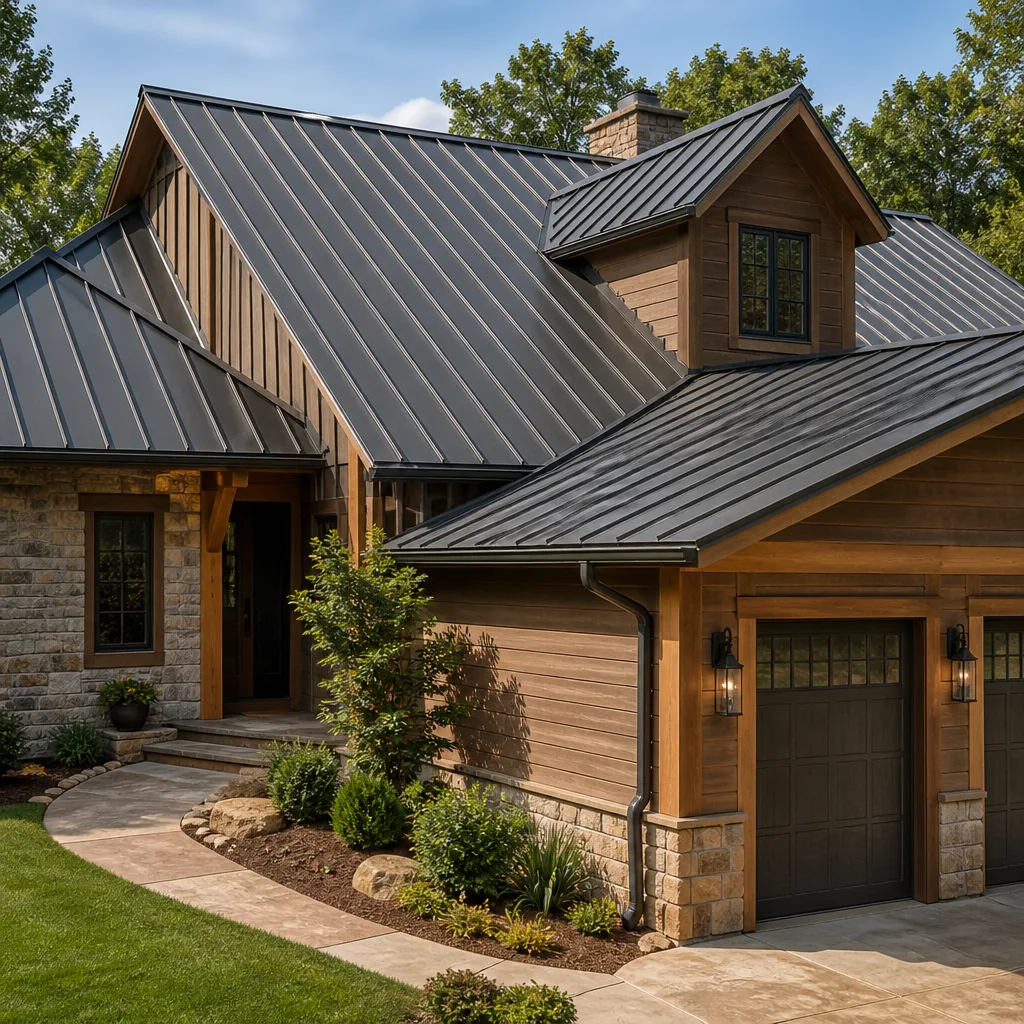 Metal roofing
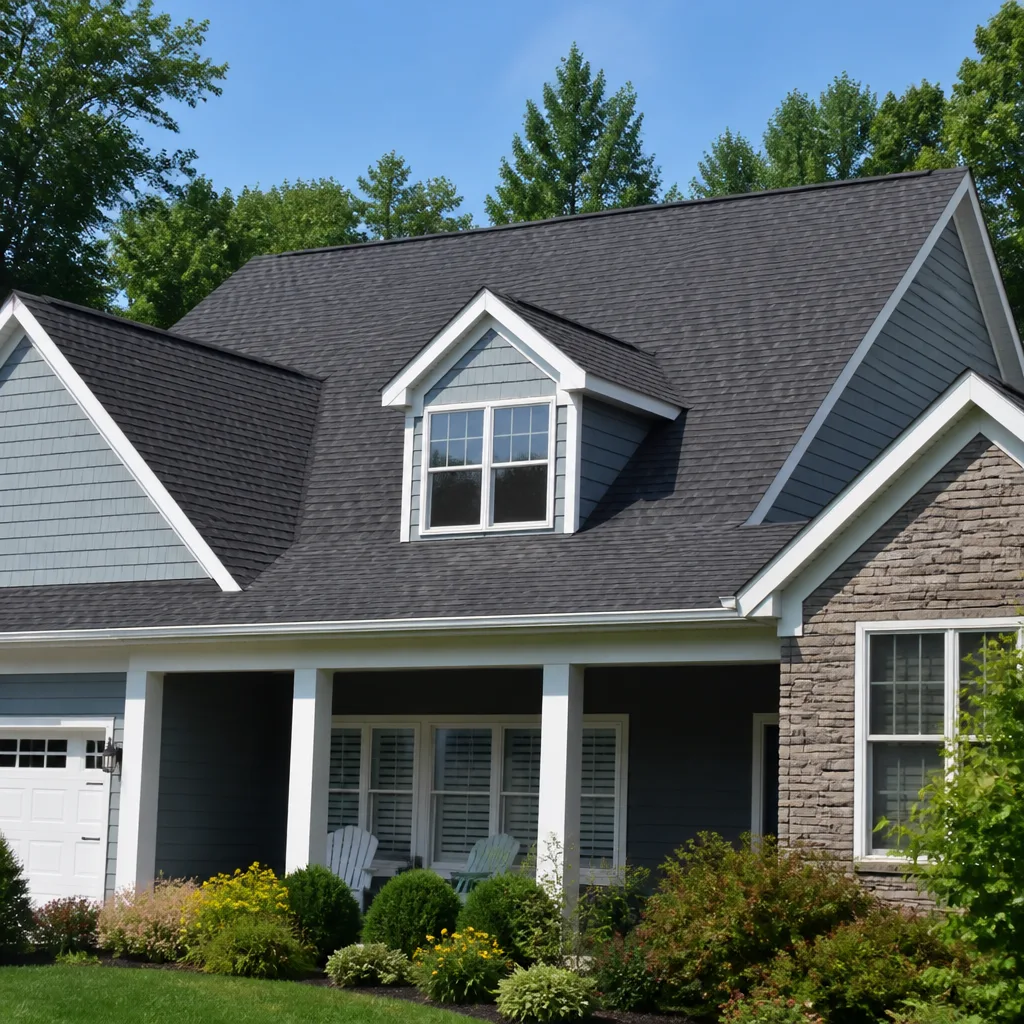
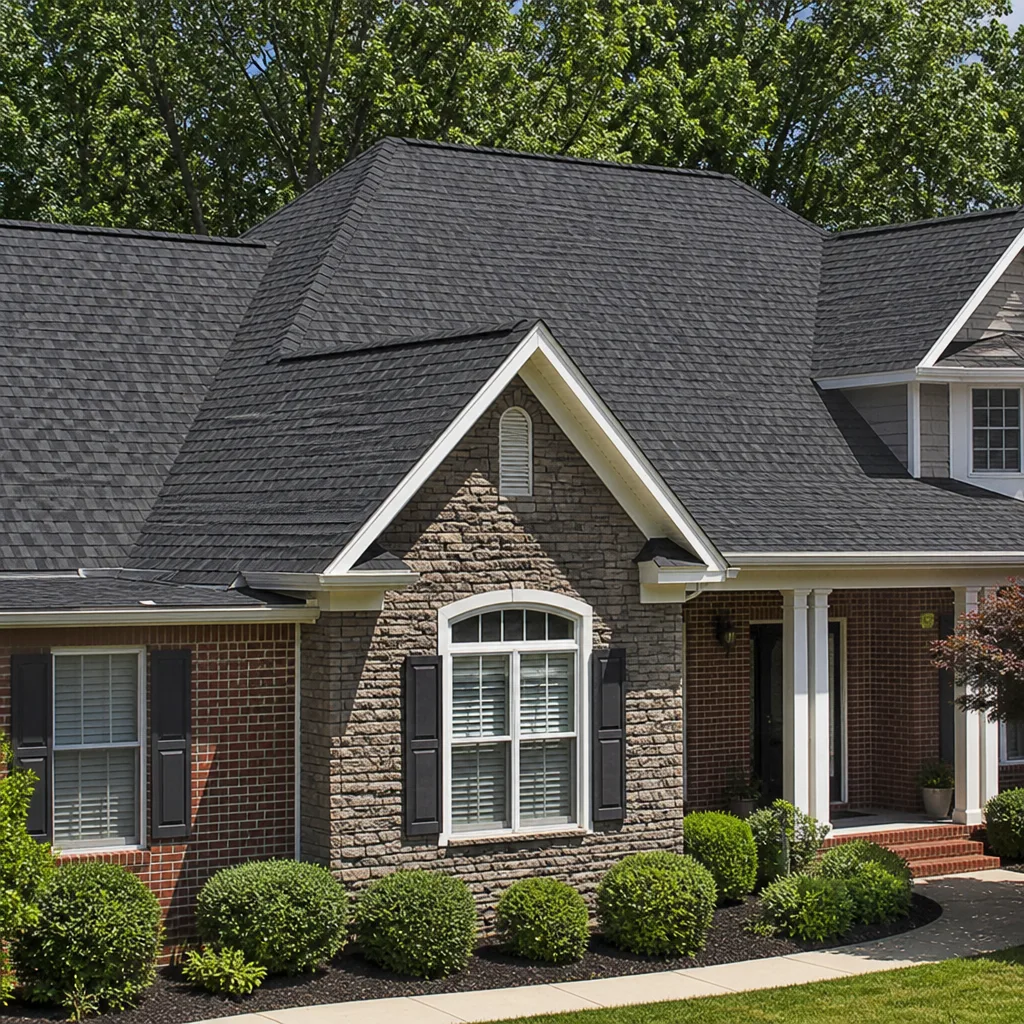 Architectural shingles
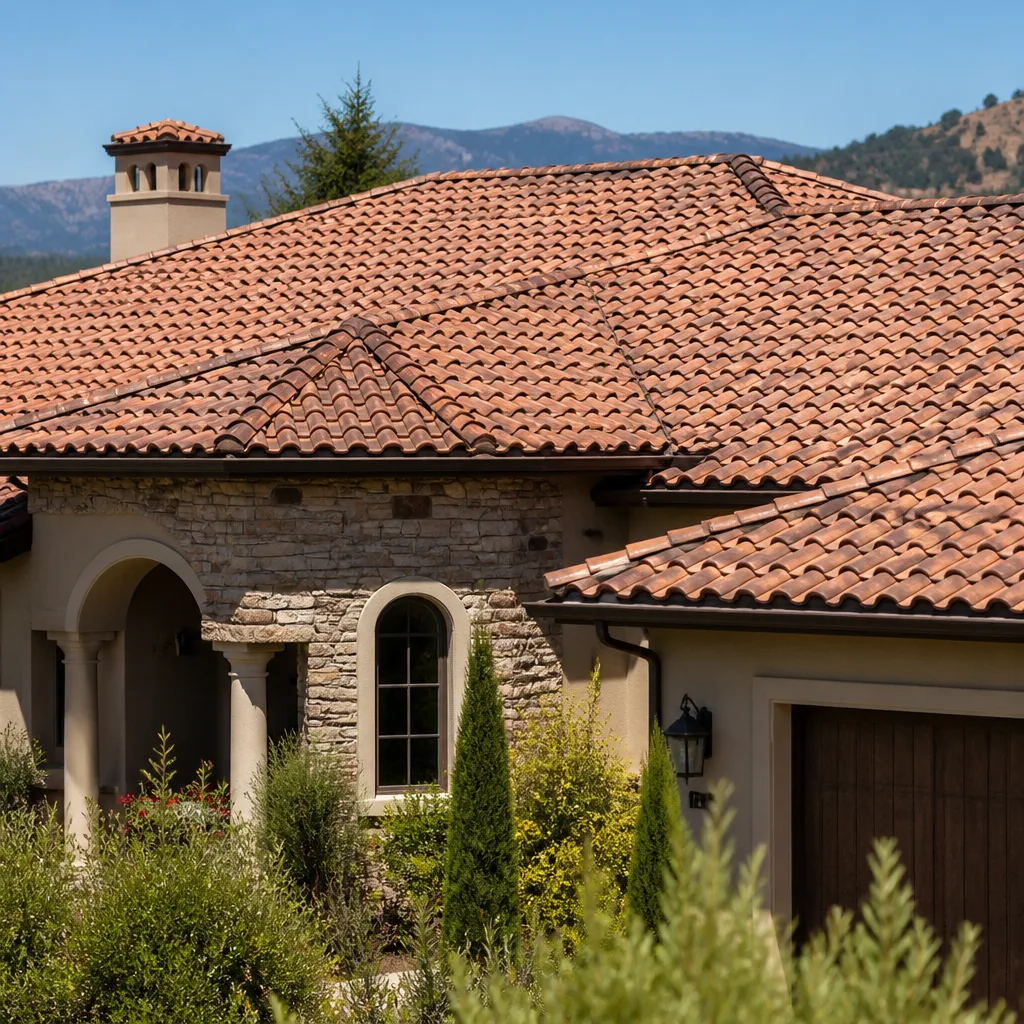 Tile roofing
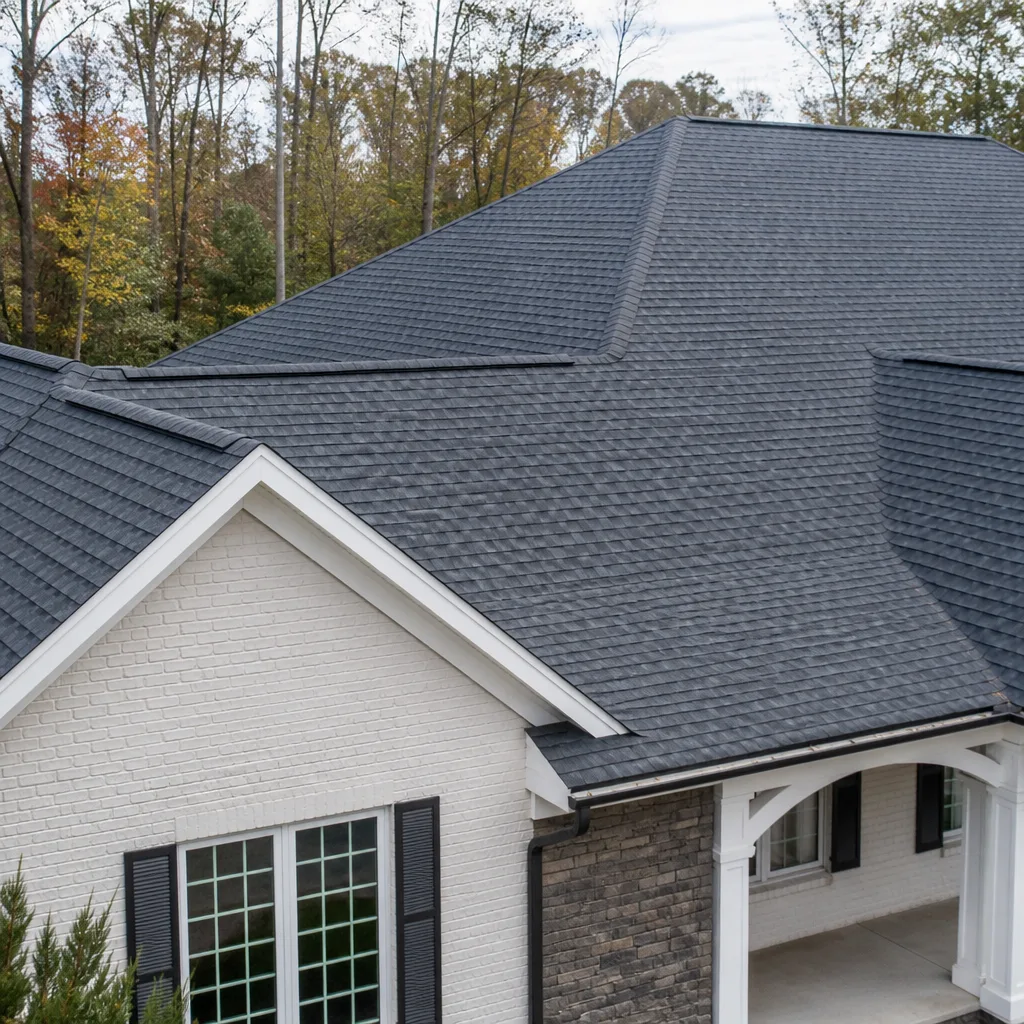 GAF
 Owens Corning
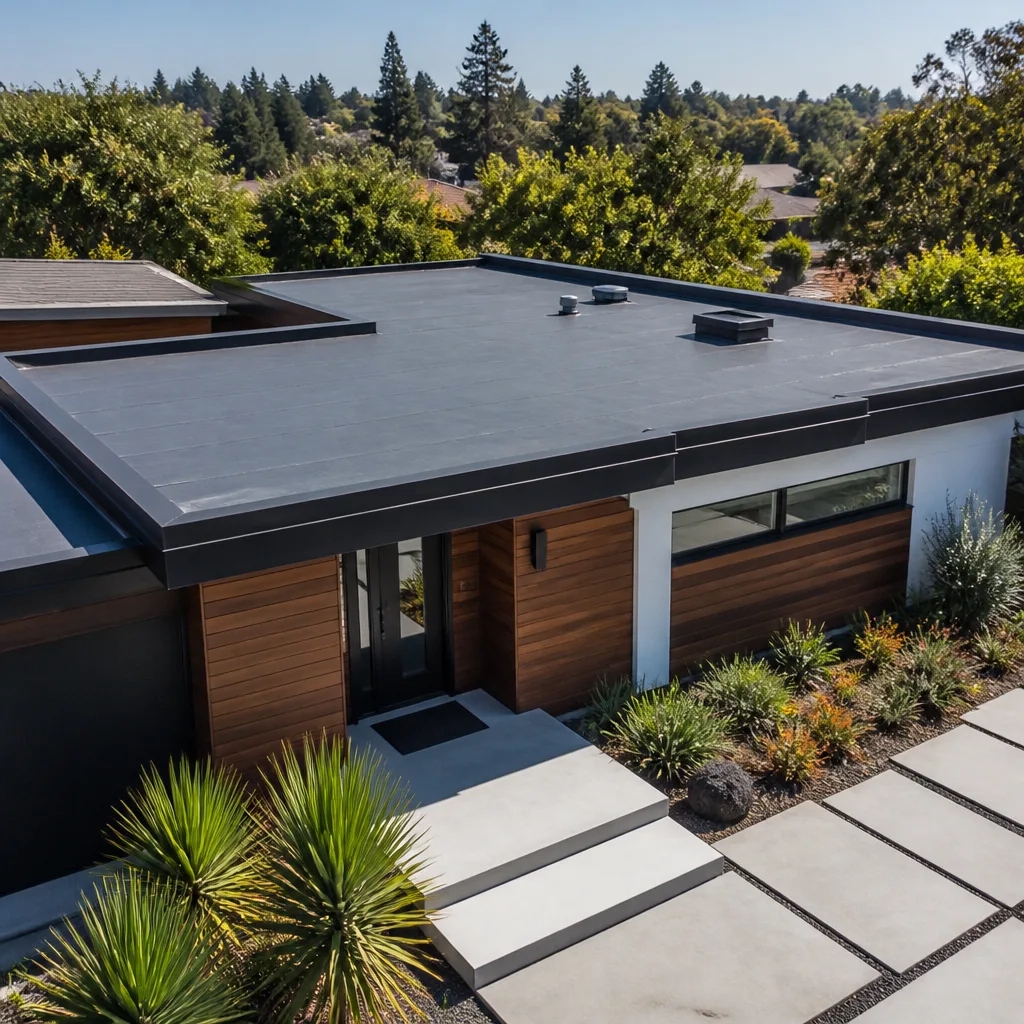 Flat & low-slope
Free roof inspection with deck photos before we talk money - GAF and Owens Corning certified installation
Roofing Cost Breakdown: The Fontana Homeowner’s Reference for 2026
Two quotes land on your kitchen table for the same Fontana home, same square footage, same brand of shingle: one says $9,800, the other says $14,200. Both contractors are licensed, both have good reviews, and neither is trying to rob you. The difference is not profit margin. It is what each one decided to include in the scope. One quote strips out decking overage allowances and uses builder-grade underlayment to hit a lower headline number. The other prices the job the way it will likely actually unfold. This guide walks you through every line item on a Fontana roofing quote so you can compare bids on substance instead of sticker shock, and for more guides & resources you can explore our blog.
Styles & brands we work with
Quick Answer
Roofing costs in Fontana run roughly $4.50 to $7.00 per square foot for architectural shingles in 2026, which puts a typical 2,000-square-foot roof between $9,000 and $14,000, with concrete tile and standing seam metal running two to three times that. The single biggest variable is not material brand but scope: tear-off layers, underlayment grade, decking replacement allowances, and permit fees. Three items are most commonly omitted from low bids: debris hauling, decking overages, and drip edge replacement.
Table of Contents
- Per-Square Benchmarks: What Materials Actually Cost in Fontana
- The Anatomy of a Legitimate Roofing Quote
- Tear-Off Costs and the Two-Layer Rule
- Manufacturer Warranty Tiers: What Extended Coverage Really Costs
- The Three Items Commonly Omitted From Low Bids
- How to Compare Two Quotes Side by Side
- Fontana-Specific Factors: Climate, Code, and Common Roof Conditions
- Common Mistakes to Avoid
- When to Call a Professional
- Frequently Asked Questions
- The Bottom Line
Per-Square Benchmarks: What Materials Actually Cost in Fontana
Roofing is priced by the “square,” and one square equals 100 square feet of roof surface. When a contractor says “the job is 22 squares,” they mean 2,200 square feet of roofing area, not the footprint of your house. In Fontana and across the Inland Empire, material and labor pricing in 2026 lands in the following ranges for a straightforward single-story tear-off and replacement:
- 3-tab asphalt shingle: $350 – $450 per square installed. The cheapest upfront option. Thinner, shorter-lived, and increasingly rare as manufacturers push architectural profiles.
- Architectural shingle: $450 – $650 per square installed. The default choice for most Fontana homes. GAF, CertainTeed, Owens Corning, and IKO all compete at this tier, which keeps pricing honest.
- Concrete tile: $1,100 – $1,600 per square installed. Heavy, durable, and common in newer Fontana developments north of the 210. Requires structural verification because tile weighs roughly four times as much as asphalt per square.
- Standing seam metal: $1,200 – $1,800 per square installed. The most durable residential option, but labor rates in Fontana push this higher than most national averages because few local crews are certified for standing seam installation.
These are installed prices, meaning material, labor, fasteners, and standard underlayment are all in the number. What they do not include is what separates an honest quote from a bait price: permit fees, tear-off charges, decking replacement, and premium underlayment. Those show up as line items, and we break each one down below.
The Anatomy of a Legitimate Roofing Quote
A roofing quote that fits on a cocktail napkin is a red flag. A legitimate bid for Fontana work runs two to four pages and separates material, labor, and contingency into distinct line items. Here is what each one covers and what you should expect to see:
- Tear-off and disposal: Removing the existing roof and hauling it away. In Fontana this typically runs $80 – $120 per square. The landfill fees are real and have climbed steadily since 2022. If a quote shows $0 for this line, you are either receiving a roof-over (generally a bad idea, and increasingly restricted by the City of Fontana) or the cost is buried somewhere else.
- Underlayment: The water-resistant layer between the deck and the shingles. Builder-grade synthetic felt runs $15 – $25 per square. A premium synthetic like CertainTeed’s DiamondDeck or GAF’s Deck-Armor runs $40 – $60 per square. This line item is where cheap bids get cheap. We’ll tell you if a repair is enough, and we’ll also tell you when the underlayment upgrade is the difference between a 12-year roof and a 25-year roof.
- Decking replacement allowance: Plywood or OSB sheathing that has rotted, delaminated, or been water-damaged. An honest quote prices in an allowance of 2 – 4 sheets at $85 – $110 per sheet. A quote with no decking allowance is assuming your deck is perfect, which for Fontana homes built before 2000 is a gamble, not a plan.
- Drip edge and flashing: Metal edging along eaves and rakes, plus flashing around chimneys, vents, and wall intersections. Drip edge runs $3 – $6 per linear foot installed. It is cheap, it is mandatory under current California building code, and it is one of the most frequently omitted items on low bids.
- Permits and inspections: The City of Fontana requires a building permit for any roof replacement. Permit fees run $250 – $500 depending on the scope, and the inspection is part of the process. If a contractor suggests skipping the permit to save money, that is not a favor. That is a liability that will come up when you sell the house.
Tear-Off Costs and the Two-Layer Rule
California building code limits residential roofs to two layers of roofing material. If your Fontana home still has its original roof plus one overlay, you are at the maximum and a new roof requires a full tear-off to the deck. This matters for cost because tear-off pricing scales with layer count: a single layer runs $80 – $100 per square to remove, while a two-layer tear-off runs $120 – $160 per square. You are paying for more labor, more dumpster capacity, and more time.
Older homes in central Fontana, especially the neighborhoods around Jurupa Hills and the older sections near Sierra Avenue, frequently have two layers. If a quote prices a one-layer tear-off and the crew discovers a second layer on day one, you are looking at a change order for the difference. A contractor who actually looked in your attic before quoting would have caught this. The inspection we perform as a standalone service in Fontana is designed to settle these questions before pricing, not after.
There is also a code-compliance angle here. Fontana enforces the two-layer maximum through its inspection process, and trying to sneak a third layer is not a viable path. Beyond code, each additional layer adds weight your framing may not have been designed to carry from the start. In our experience, the homes where we see spring failures due to deck rot are overwhelmingly the ones with multiple layers of shingle trapping moisture against the deck.
Manufacturer Warranty Tiers: What Extended Coverage Really Costs
Every shingle manufacturer offers a standard warranty, and every manufacturer offers paid upgrades that extend coverage. What homeowners rarely learn is the difference between what the contractor pays for these upgrades and what appears on the quote. A 50-year extended coverage upgrade through GAF’s Golden Pledge or CertainTeed’s SureStart Plus will add roughly $800 – $1,200 to a typical Fontana roof. The contractor passes that cost through, often with a small markup. Whether it is worth it depends on the house and the homeowner’s timeline.
Here is the honest math. The standard material warranty on architectural shingles covers manufacturing defects only, prorated after the first ten years, and excludes labor. The extended tiers get you non-prorated coverage, included labor for the first 25 – 50 years, and workmanship coverage backed by the manufacturer. If you are planning to stay in the house for 20 years, the extended coverage usually pays for itself the first time you need a repair call. If you plan to sell within five years, the standard warranty transfers to the buyer anyway and the upgrade is harder to justify.
Barnwood Roofing works with seven manufacturers, including GAF, CertainTeed, Owens Corning, and Boral, so when we quote a warranty tier we are comparing it against equivalent coverage at the same price point from other brands. The right material for your roof, not just what we stock, extends to coverage too. Seven brands, one honest recommendation.
The Three Items Commonly Omitted From Low Bids
When one Fontana quote comes in $4,000 under the competition for the same roof, the money is not being saved. It is being hidden. These three line items account for the vast majority of the gap, and each one becomes a change order the moment the crew hits the job site.
- Post-project debris hauling: The dumpster, the hauling, the landfill fees. Some contractors price the tear-off but not the disposal, then hand you a $600 – $900 “final invoice” for the dumpster they rented. A legitimate quote shows disposal as a separate, fixed line item.
- Decking replacement overages: The quote assumes no rotten wood. In Fontana, where summer heat bakes roofs for four months a year and the occasional winter storm soaks aging shingles, rotted decking is common. When the crew finds it, you are paying $85 – $110 per sheet with no pre-agreed cap. An honest quote prices in an allowance before the job starts.
- Drip edge replacement: The thin metal strip along your roof’s edge. It costs a few hundred dollars to replace on a typical home, which is exactly why it gets omitted from cheap quotes. When the inspector flags it, it becomes a change order anyway. The City of Fontana requires drip edge on all re-roofs, so this is not an optional upgrade. It is a mandatory cost that an honest quote includes from day one.
The fix is not to avoid the low bid. The fix is to read the low bid line by line, ask where the disposal is listed, ask what the decking allowance covers, and ask whether drip edge is included. If the answer is vague, the bid is not low. It is incomplete.
How to Compare Two Quotes Side by Side
Comparing roofing bids is not about the total at the bottom. It is about matching line items and understanding what “apples to apples” actually requires. Here is a step-by-step method that works, and it is the same method we use when a Fontana homeowner asks us to explain why our number differs from a competitor’s.
- Pull both quotes onto one sheet. Separate each into five buckets: material, labor, tear-off and disposal, underlayment, and contingency items (decking, flashing, drip edge, permits).
- Check the material brand and product line. “Architectural shingle” means nothing without the product name. GAF Timberline HDZ, CertainTeed Landmark, and Owens Corning Duration all price differently. If one quote does not name the product, ask.
- Verify the layer count assumption. Two-layer tear-off costs $40 – $60 more per square than single-layer. If the quotes assume different layer counts, the totals are not comparable.
- Compare underlayment by brand. Builder-grade felt and premium synthetic are separated by $25 – $40 per square. Find the underlayment line on both quotes and put a dollar amount next to each.
- Check the permit line. If one contractor prices the Fontana permit and the other does not mention it, the omission is your future expense. When we handle a roof replacement in Fontana, the permit is on the quote and the inspection is on the calendar.
- Confirm the decking allowance. Ask both contractors: “How many sheets of decking is the quote based on, and what happens if you find more rot?” The answer tells you everything about how change orders will be handled later.
This process takes 30 minutes and routinely reveals that two quotes separated by thousands of dollars are actually within a few hundred once the omissions are corrected. The gap was never cost. It was scope.
Fontana-Specific Factors: Climate, Code, and Common Roof Conditions
Fontana sits in a climate zone that punishes cheap roofing decisions. Summer temperatures routinely exceed 100 degrees for stretches of July and August, which accelerates shingle granule loss and breaks down adhesive strips on low-grade materials. The Santa Ana winds that sweep through from the Cajon Pass add a wind-uplift factor that cheap installation methods do not survive well. And while Fontana’s annual rainfall is modest, when it comes during winter storms it often comes all at once, overwhelming roofs whose flashing was installed as an afterthought.
What does this mean for your quote? First, underlayment grade matters more here than in coastal markets. The sun exposure dries out builder-grade felt within a decade, and the wind-driven rain finds the gaps. Second, flashing detail around pipes, vents, and chimneys is not cosmetic. It is the difference between a roof that lasts 12 years and one that leaks after the first real storm. Third, the City of Fontana’s code requirements are stricter than what some out-of-town contractors assume. Permits, inspections, and drip edge are not optional. Any roof repair work in Fontana that touches decking or structural components needs to meet the same standard.
Newer developments north of Summit Avenue tend to have concrete tile roofs that are now reaching the age where underlayment replacement is necessary even though the tile itself is still sound. Older neighborhoods around downtown and the industrial corridor have asphalt shingle roofs that are frequently at or past their service life. Each condition prices differently, which is why the quote structure matters as much as the total.
Common Mistakes to Avoid
- Choosing a quote based on the bottom-line total. The lower number usually has missing line items, not lower costs. Two quotes with the same scope should land within 10 – 15% of each other. A bigger gap means a different scope.
- Accepting a roof-over to save money. Fontana enforces the two-layer maximum, and adding a layer on top of an old roof hides decking problems instead of fixing them. You are paying to postpone a problem, not solve it.
- Skipping the permit to save a few hundred dollars. When you sell the house, unpermitted work becomes a negotiation point that costs more than the permit ever did. Fontana’s permit process exists regardless of whether the contractor uses it.
- Not asking about decking overages before signing. The contract should state the price per sheet and how overages are communicated. If the contract is silent on decking, the change order is coming.
- Treating the warranty upgrade as an automatic upsell. Extended coverage makes sense for long-term ownership and is harder to justify for a five-year horizon. The answer depends on your timeline, not the contractor’s incentive.
- Comparing different product tiers as though they are equal. A 3-tab shingle quote and an architectural shingle quote are not the same job. One lasts 15 years, the other 25 – 30. The price gap is not markup. It is material reality.
- Hiring a replacement-only contractor for what might be a repair. Some Fontana homes need a full replacement. Others need selective repair and five more years of service. If the only service a contractor offers is replacement, the recommendation will always be replacement. Inspection first, recommendation second is the standard worth looking for.
When to Call a Professional
You should call a professional when you see granule buildup in the gutters, water staining on ceilings, or shingles lifting after a wind event, and you should also prepare with our Roofing Emergency Preparedness Guide for Fontana Homes. You should also call when your roof is past 20 years and you want to know where it stands before you are forced to make a decision under pressure. A trained inspection identifies deck rot, flashing failures, and layer counts before they become leaks. The steep-slope work involved in most Fontana roofing is genuinely dangerous, and we recommend against duct-tape or tar fixes as anything beyond a temporary measure. Barnwood Roofing offers free estimates in Fontana – call (855) 382-1073 and we will tell you if a repair is enough or if a replacement is genuinely warranted.
Frequently Asked Questions
A new architectural shingle roof in Fontana runs $450 – $650 per square installed, or roughly $9,000 – $14,000 for a typical 2,000-square-foot roof. Concrete tile and standing seam metal run two to three times that. The exact number depends on tear-off layers, decking condition, underlayment grade, and whether the quote includes permits and disposal. Call (855) 382-1073 for an exact quote — estimates are free.
Three-tab asphalt shingle is the cheapest installed option at $350 – $450 per square. It carries a shorter service life than architectural shingles and is increasingly difficult to source as manufacturers shift production. For most Fontana homes, architectural shingle at $450 – $650 per square delivers the better long-term value.
A typical single-story roof replacement in Fontana takes two to three working days, with an additional day or two for permit inspection scheduling. Two-story homes and concrete tile tear-offs add time. The scope is set before the job starts, so the timeline should appear in the contract.
It should not, except for decking replacement beyond the quoted allowance, and any reputable contractor prices those overage terms into the contract upfront. The number of decking sheets included in the allowance and the per-sheet cost for additional replacement should be in writing before you sign. If the contract is silent on decking, the change order is coming.
Yes. The City of Fontana requires a building permit for roof replacement, and the work must pass an inspection. A contractor suggesting you skip the permit is not doing you a favor. Unpermitted roofing becomes a disclosure issue at resale and can complicate insurance claims.
Yes. Many Fontana homes built with concrete tile have tile that is still structurally sound while the underlayment beneath it has reached the end of its life. This is a specialized job that involves removing and resetting tile, and it costs less than a full replacement. An inspection confirms whether the tile is salvageable or whether replacement of the full system makes more sense.
The Bottom Line
Roofing quotes in Fontana differ by thousands of dollars because the line items inside them are structured differently, not because one contractor is gouging and another is charitable. The three items most often omitted from low bids are debris hauling, decking overages, and drip edge replacement, and each one becomes a change order once work begins. Comparing quotes line by line, understanding layer counts, and knowing which warranty tier fits your ownership timeline are the skills that turn a confusing stack of bids into a clear decision. When in doubt, start with an inspection, not a quote. Barnwood Roofing offers free estimates in Fontana – call (855) 382-1073 to schedule yours.
Written by the team at Barnwood Roofing, serving Fontana since 2013.
See the difference
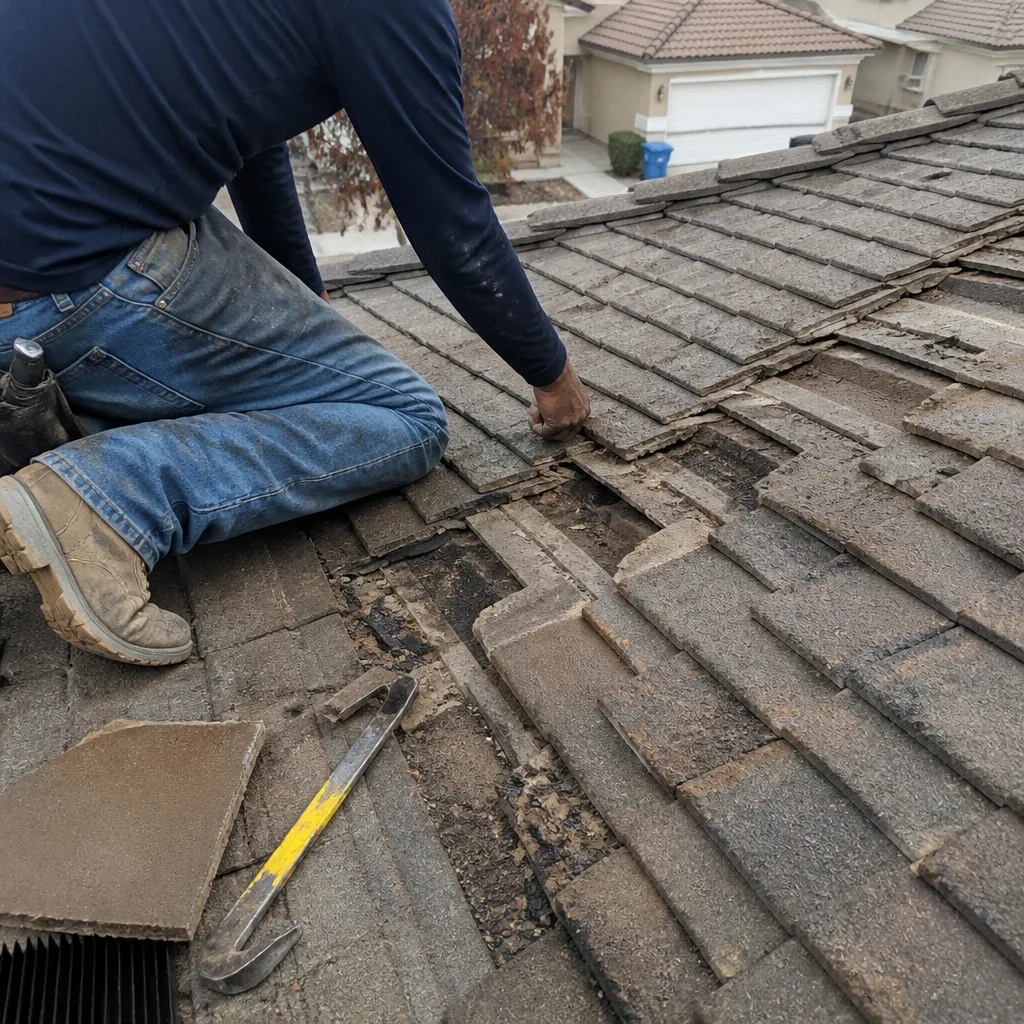 Before
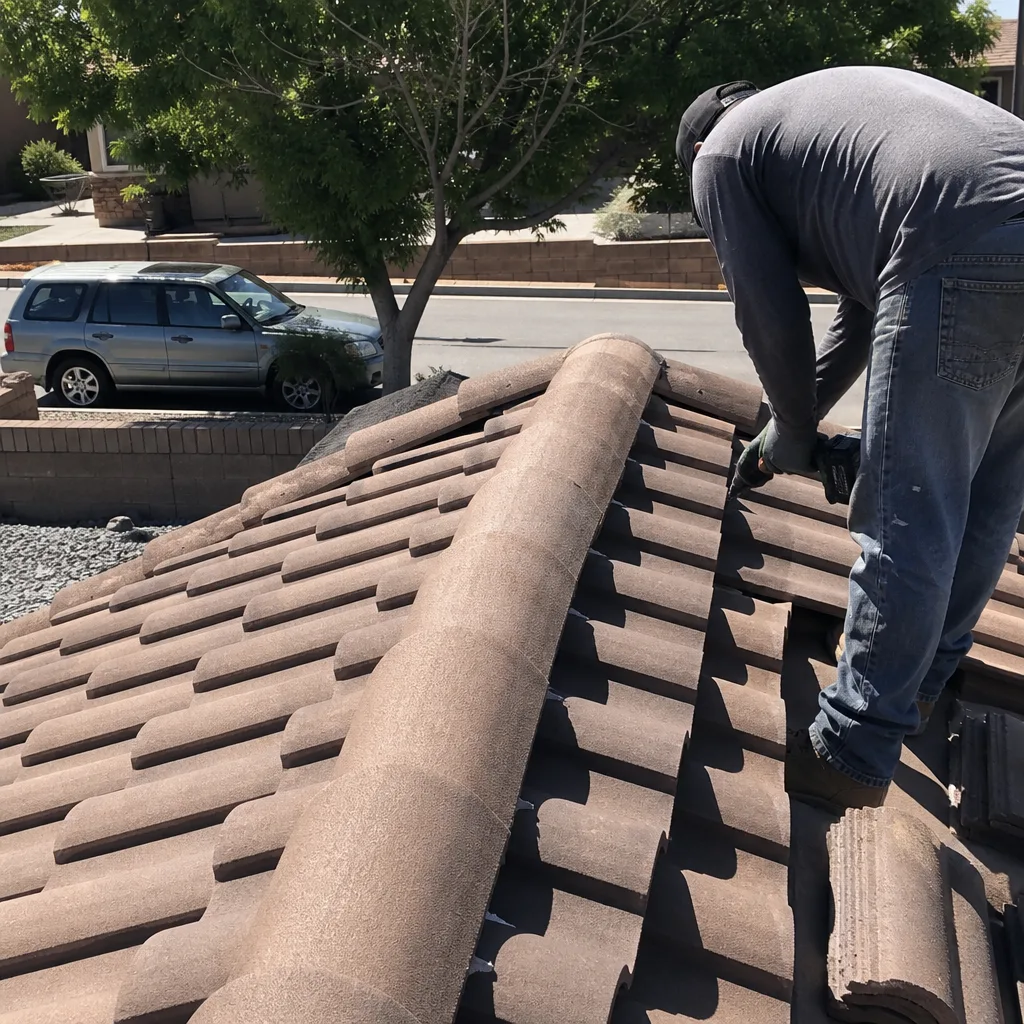 After
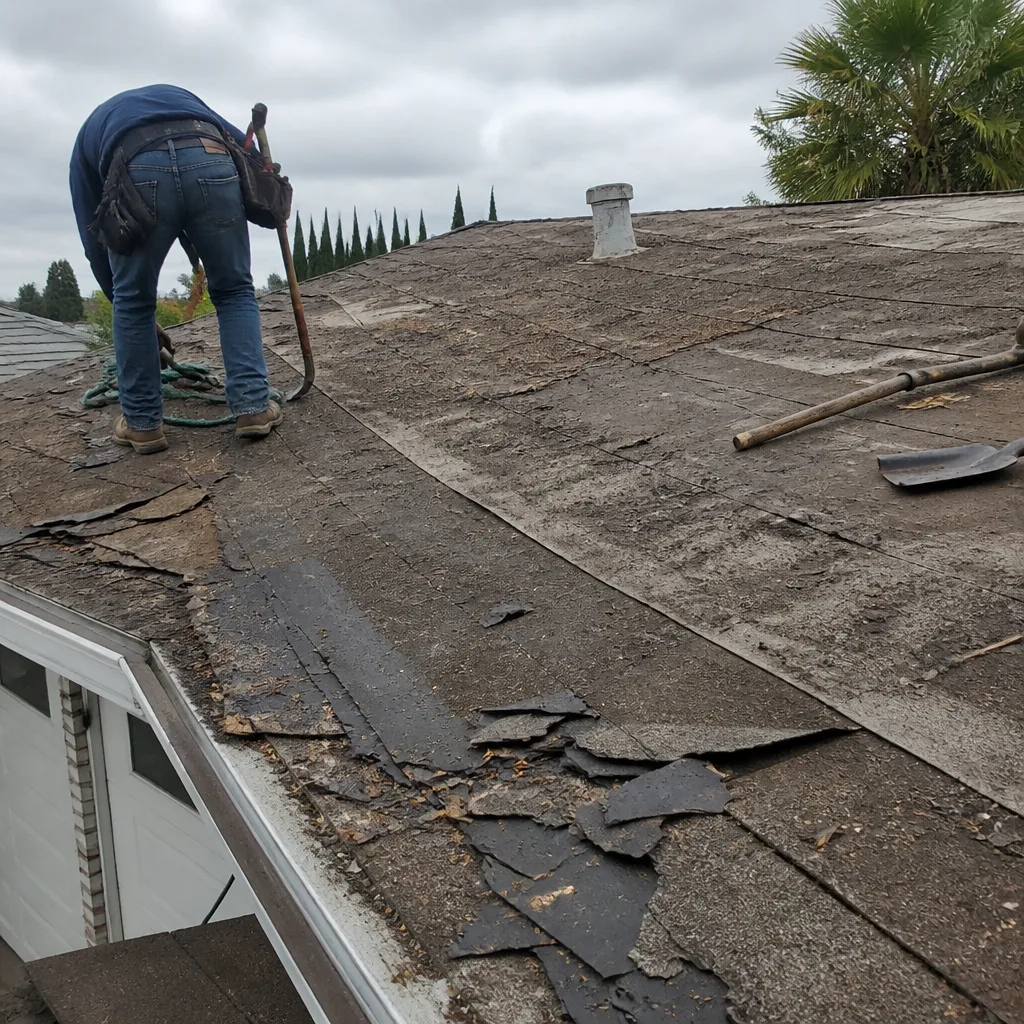 Before
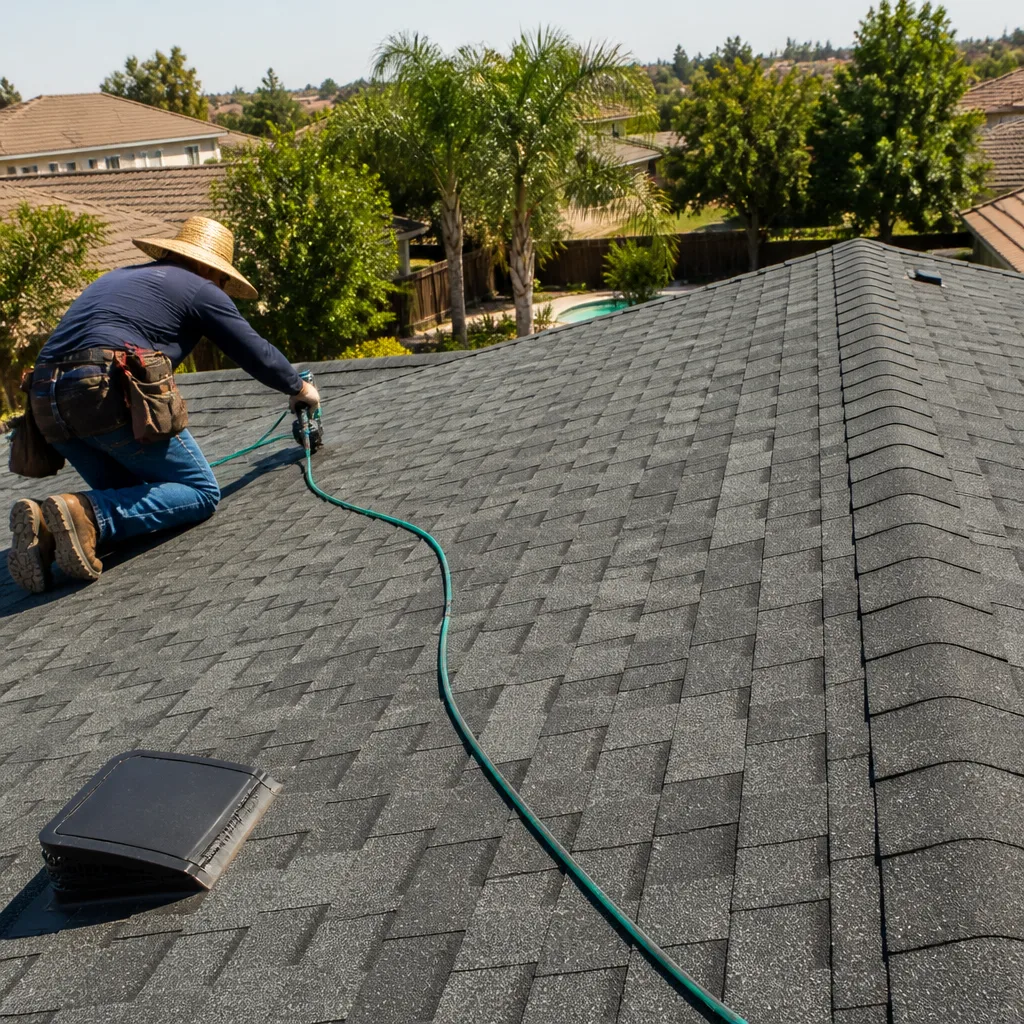 After
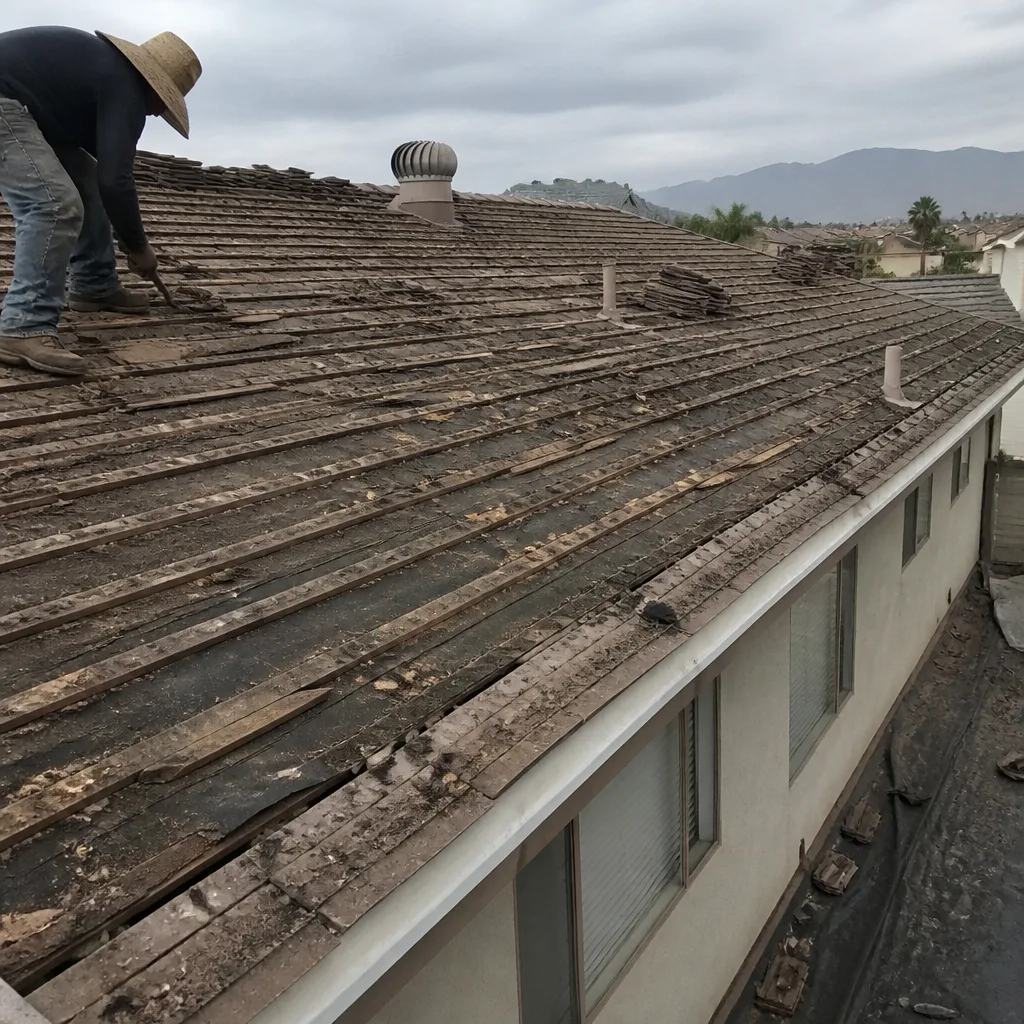 Before
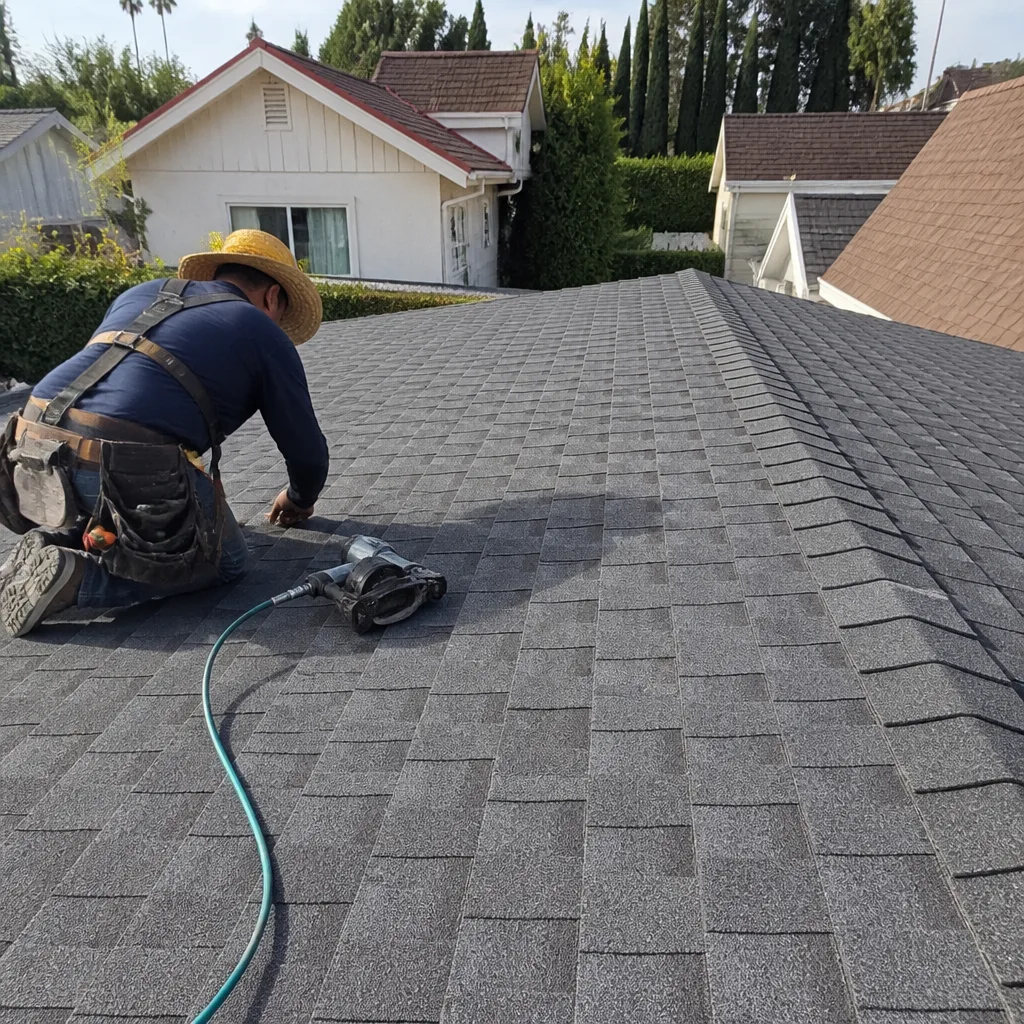 After