Last updated October 30, 2026
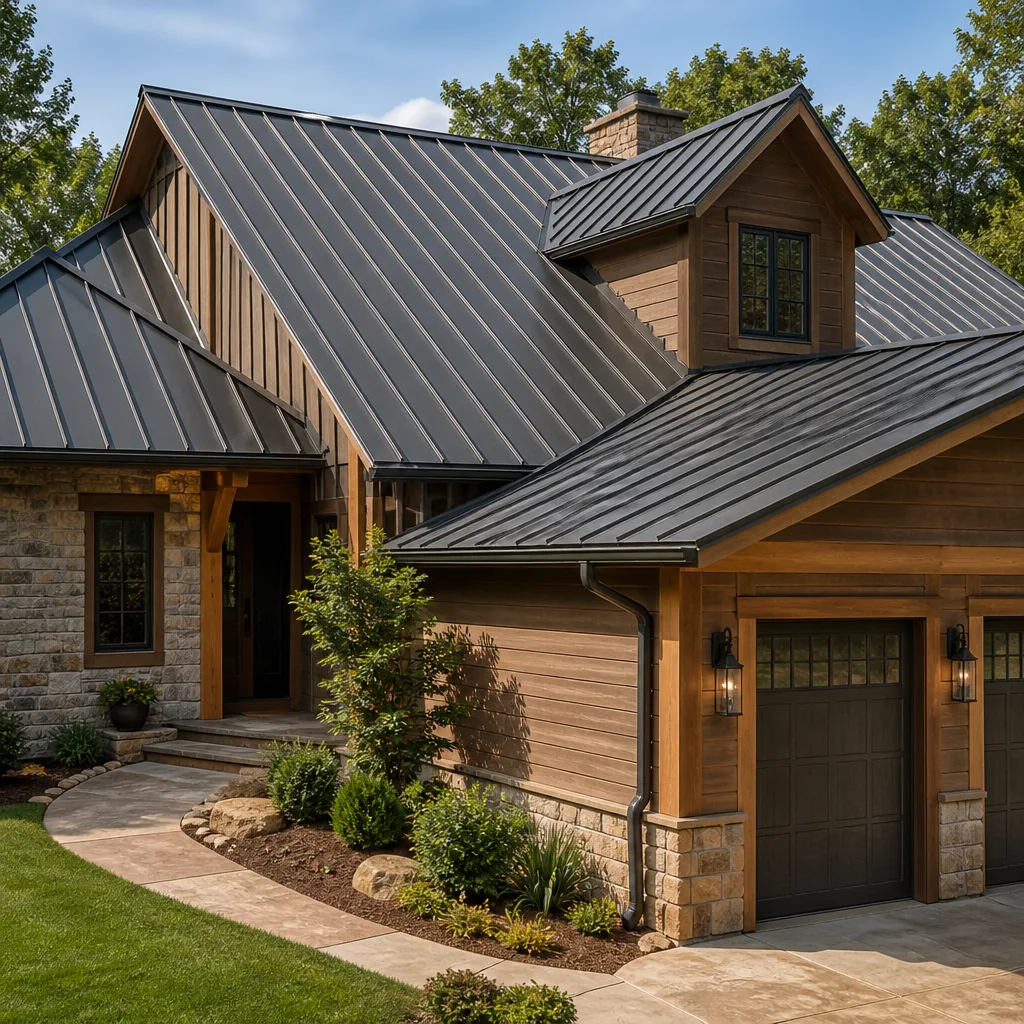 Metal roofing
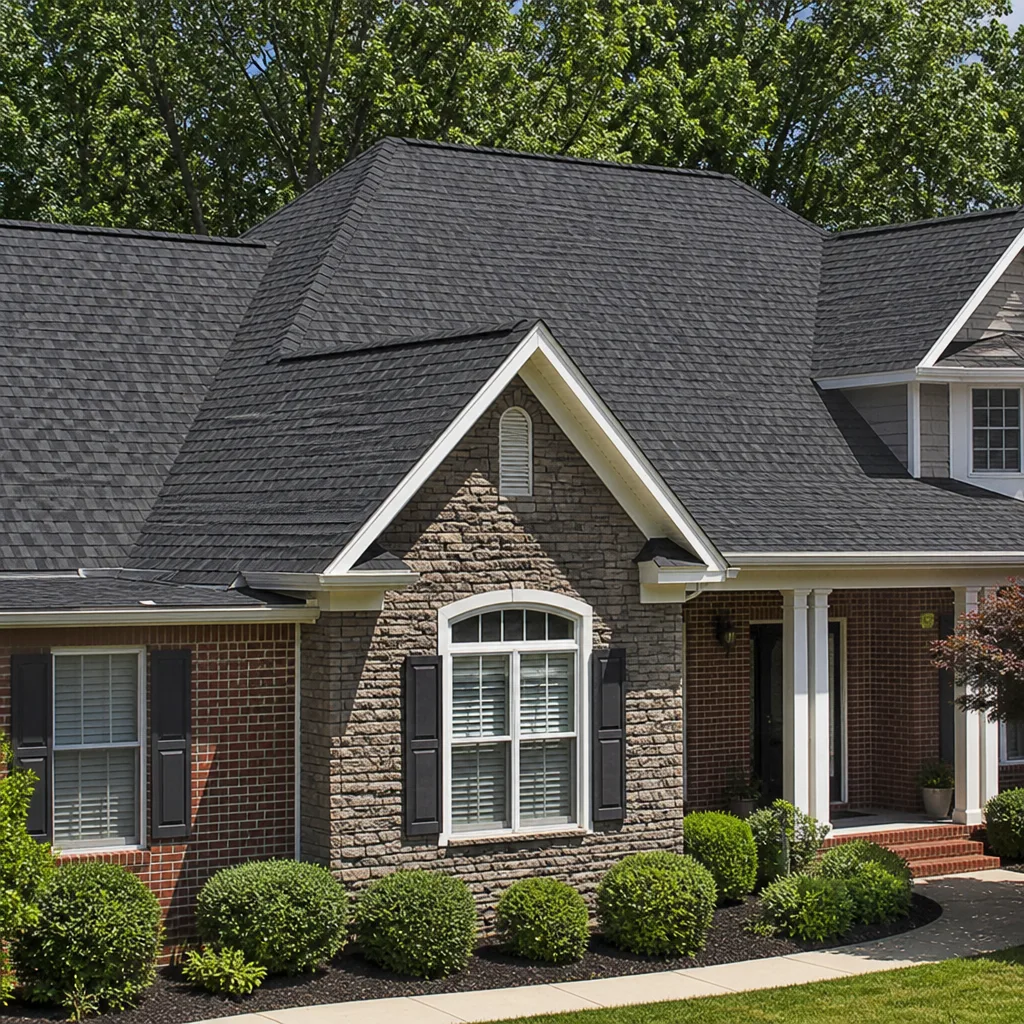 Architectural shingles
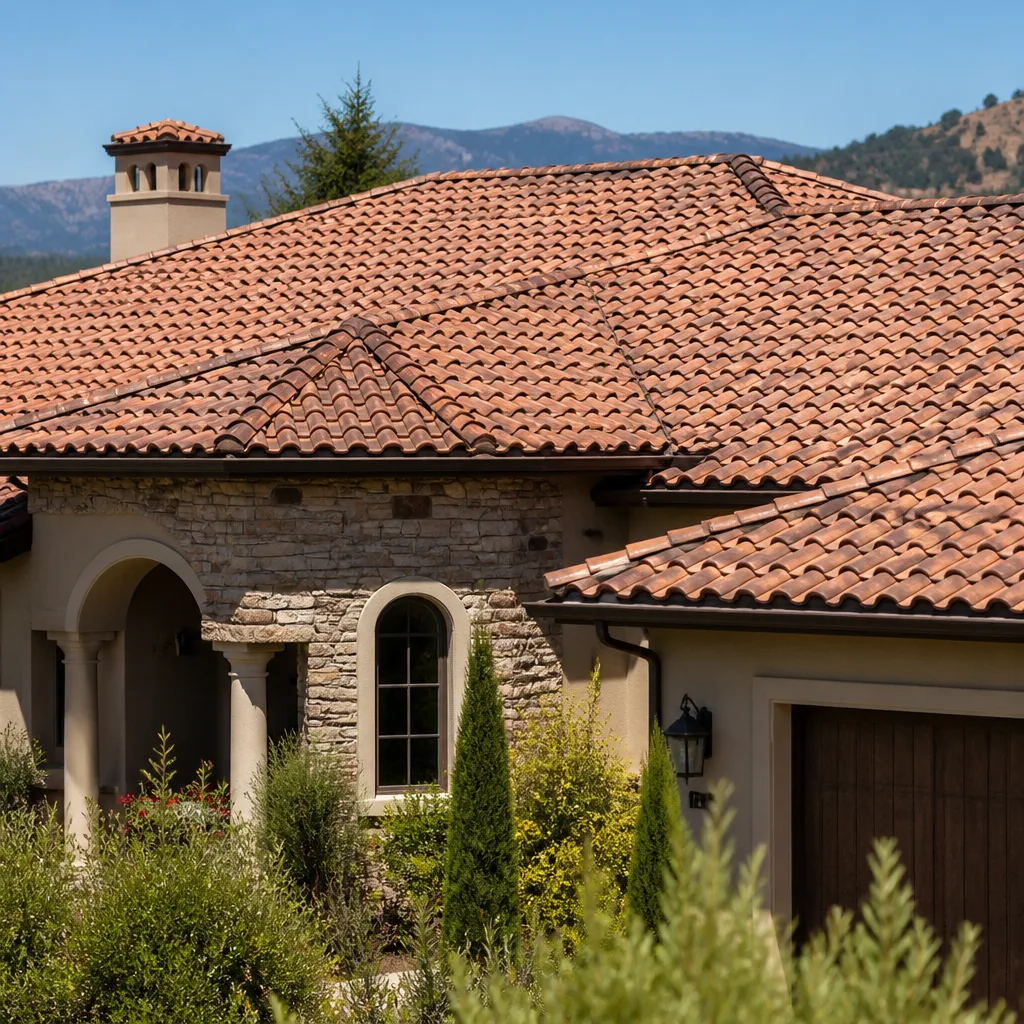 Tile roofing
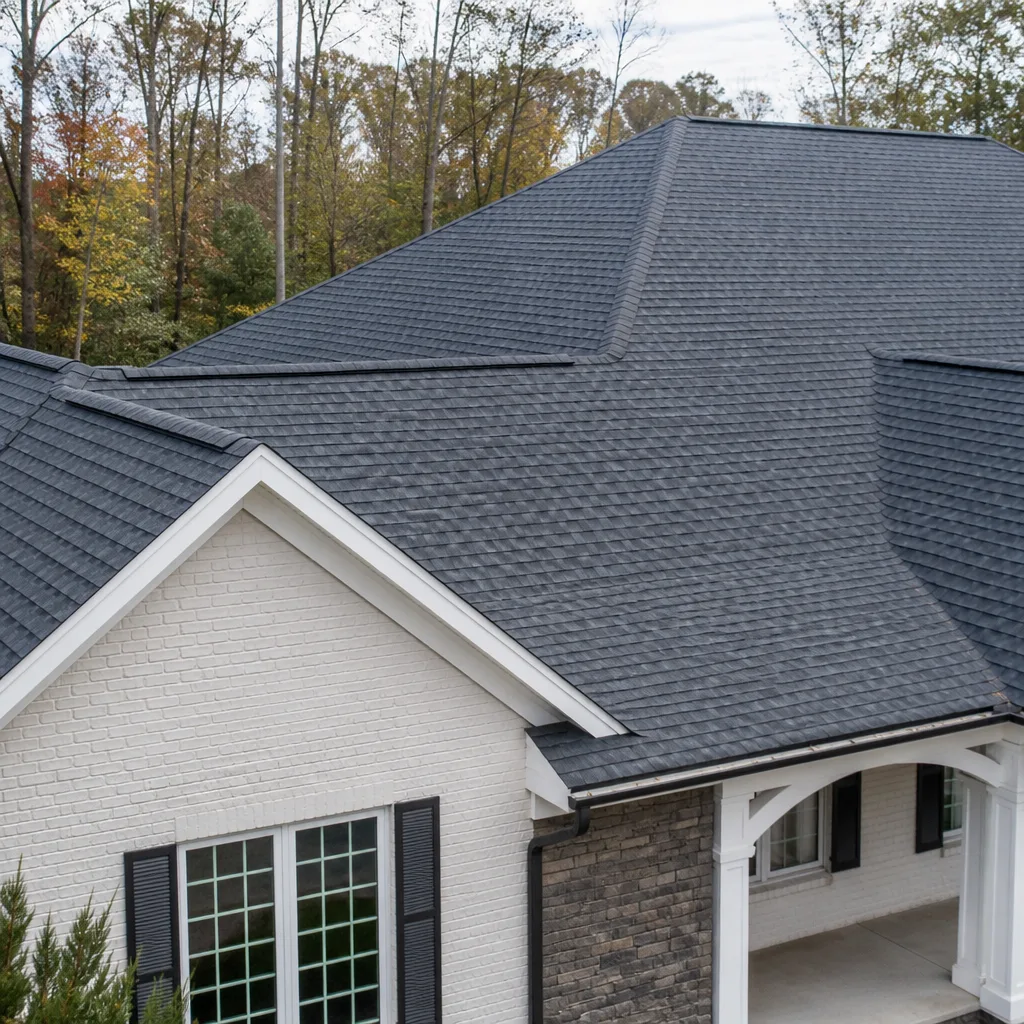 GAF
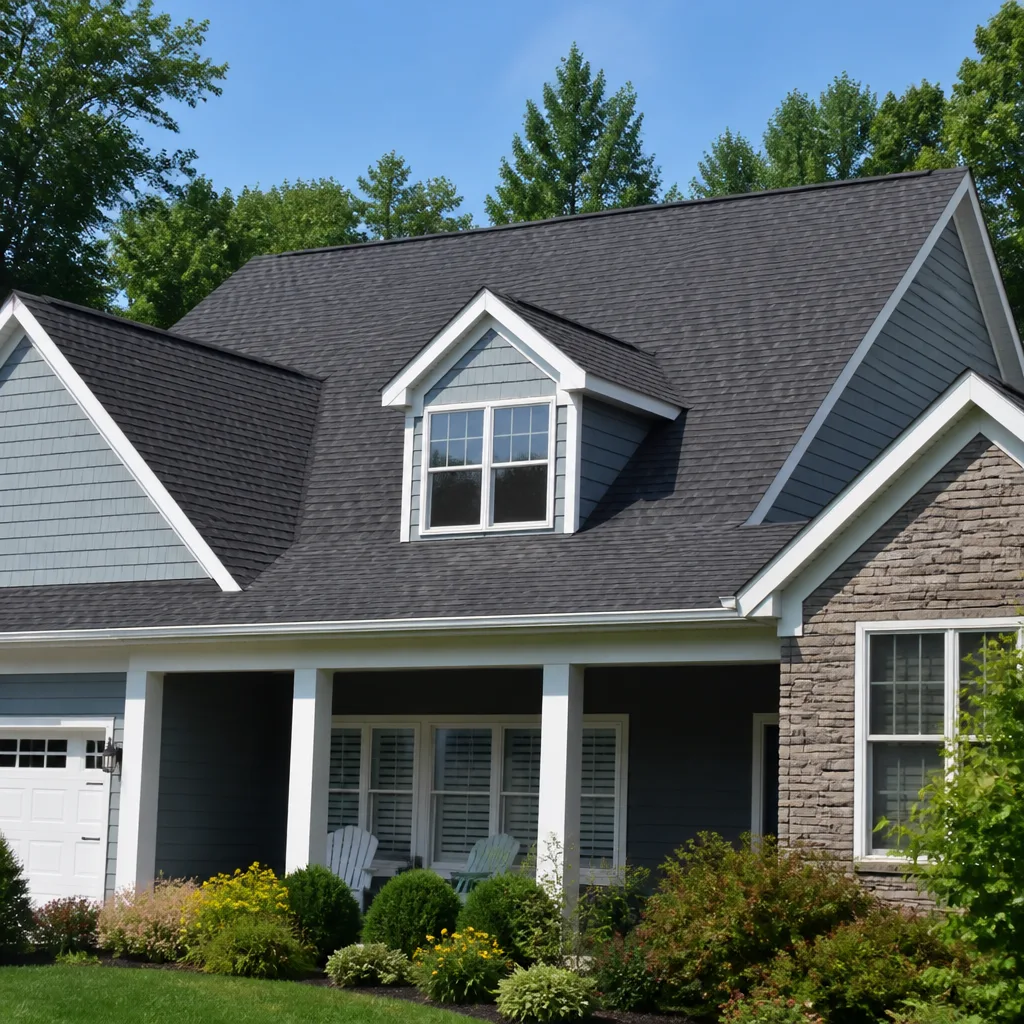 Owens Corning
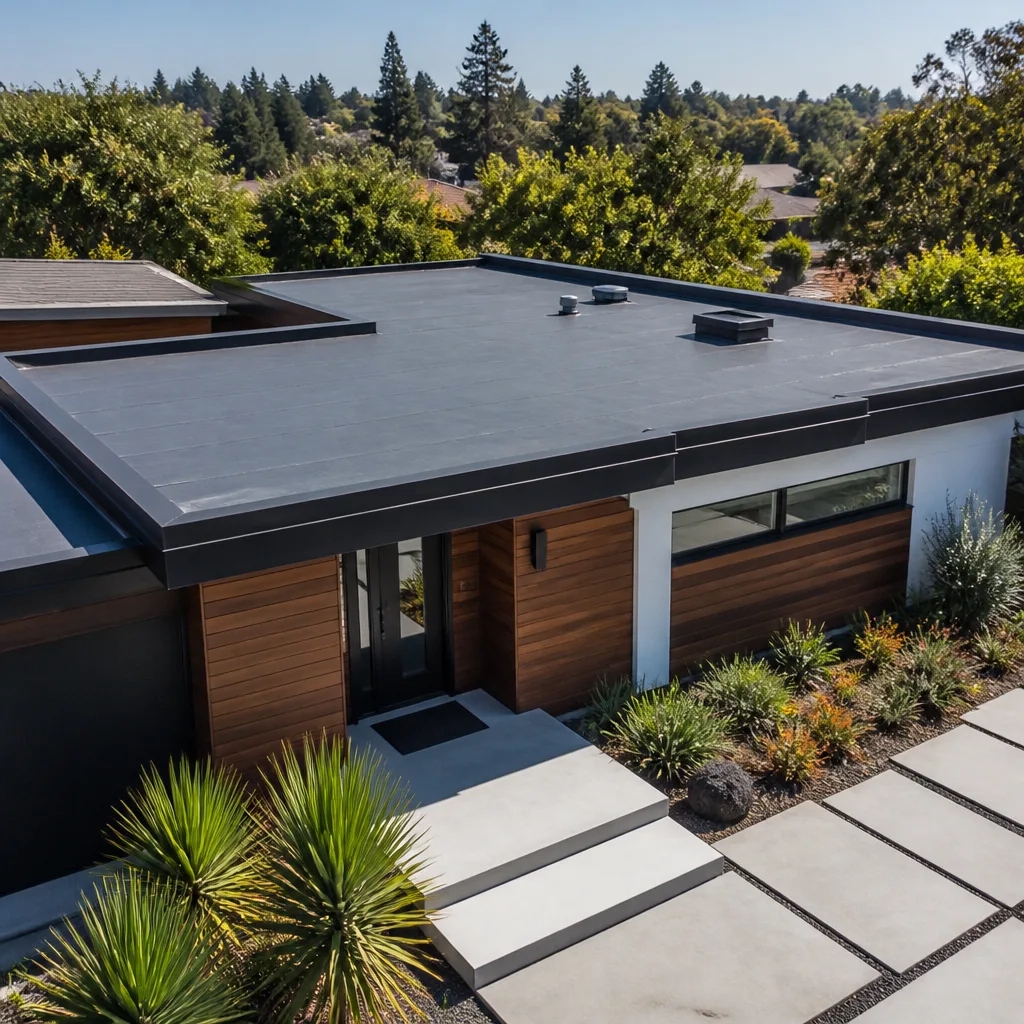 Flat & low-slope
Free roof inspection with deck photos before we talk money - GAF and Owens Corning certified installation
Choosing the Right Roofing Brand: A Buyer’s Guide for Fontana
Here’s a fact most roofing brand guides won’t tell you: a shingle that earns top marks in Miami’s humidity chamber tests can fail prematurely on a Fontana rooftop. The failure modes are completely different. Florida tests measure moisture resistance and wind uplift during hurricane conditions. Fontana’s climate zone 10 demands something else entirely: sustained UV radiation that bakes granule adhesion, summer heat that pushes attic temperatures past 140°F, and dry Santa Ana winds that punish anything brittle. A nationally recognized brand name means far less than the specific performance ratings that match what your roof actually endures. This guide cuts through manufacturer marketing to teach you how to evaluate roofing brands against Fontana’s actual conditions, and you can find The Complete Guide to Roofing in Fontana for more comprehensive coverage of the full replacement process.
Styles & brands we work with
Quick Answer
The right roofing brand for a Fontana home depends on three specifics: Class 4 impact rating for hail, Class A fire resistance for wildfire-adjacent neighborhoods, and a warranty with a proration schedule you actually understand. Working with a multi-brand contractor who can compare Owens Corning, IKO, Atlas, and Tamko side-by-side lets you match the product to your roof’s exposure and your budget rather than whatever a single-brand shop happens to stock, a topic explored in depth in our DIY vs Professional Roofing: The Fontana Homeowner’s Decision Guide.
Table of Contents
- Why Fontana’s Climate Changes the Brand Conversation
- The Test Ratings That Actually Matter in Fontana
- Reading Warranty Documents Without the Fine-Print Fog
- Contractor Certifications: Ongoing Training vs. One-Time Badges
- Mid-Tier vs. Premium Architectural Shingles in 100°F Heat
- What Multi-Brand Contractors Actually Do Differently
- Questions to Ask Before You Pick a Brand
- What Roofing Brands Cost in Fontana
- Common Mistakes to Avoid
- When to Call a Professional
- Frequently Asked Questions
- The Bottom Line
Why Fontana’s Climate Changes the Brand Conversation
Most national roofing brand rankings are built on aggregated performance data from mixed climates. That’s a problem for Fontana homeowners, because your roof lives in climate zone 10: hot, dry, and relentlessly sunny. The average Fontana roof gets roughly 280 days of direct sun per year. Summer temperatures routinely cross 100°F, and while the official record sits at 115°F, rooftop surface temperatures run 50 to 70 degrees hotter than the air. That means your shingles are cooking at 160°F to 180°F for hours at a time, day after day, from June through September.
What fails in those conditions? Granule adhesion. Asphalt softens under sustained heat, and the ceramic granules that protect the asphalt from UV radiation begin to slough off. Once granule loss exposes the asphalt layer, UV degradation accelerates fast. A brand known for moisture resistance in coastal climates may not have optimized its asphalt formulation for sustained dry heat. Meanwhile, Fontana’s seasonal Santa Ana winds bring gusts that can top 60 mph through the Cajon Pass, and while the city isn’t in a high-hail corridor like the Midwest, spring thunderstorms occasionally drop hail large enough to bruise shingles across neighborhoods like Southridge and Hunter’s Ridge.
We see this pattern in roof inspections across Fontana: two homes side-by-side, built the same year, with shingles from different manufacturers showing dramatically different wear at year 12. One roof looks nearly new. The other has visible granule loss along the sun-exposed southern slope. Same sun, same wind, same heat. Different asphalt chemistry. That’s the conversation this guide is built around: not which brand wins a popularity contest, but which brand’s performance characteristics match Fontana’s specific failure modes. For homeowners dealing with existing damage rather than full replacement, see The Complete Roof Repair Guide for Fontana Homeowners.
The Test Ratings That Actually Matter in Fontana
Shingle manufacturers publish spec sheets full of test scores, but only a handful of ratings matter for a Fontana roof. Learn these four, and you’ll evaluate brands like a contractor, not a consumer skimming a brochure.
Class A Fire Resistance (the non-negotiable)
Fontana sits in a wildfire risk zone. The hillside neighborhoods north of the 210 freeway, areas near the Jurupa Hills, and communities backing up to open chaparral all face ember exposure during fire season. ASTM E108 Class A rating means the roofing material withstands a burning brand of wood placed directly on it without igniting. Every major brand we work with, including Owens Corning and Atlas, manufactures shingles that meet Class A. But here’s the nuance: the rating applies to the complete roof assembly, not just the shingle. Your underlayment and decking choices matter too. If you’re in a fire-risk neighborhood in Fontana, verify that the full system, not just the top layer, carries the Class A designation.
Class 4 Impact Resistance (hail insurance discount territory)
The UL 2218 Class 4 impact test drops a 2-inch steel ball from 20 feet onto the shingle. Products that pass without cracking earn the Class 4 designation. For Fontana, hail risk is real but intermittent; the spring storm systems that sweep through the Inland Empire occasionally produce hail, and we’ve repaired hail-damaged roofs in communities across the city after particularly active storm years. Class 4 shingles typically qualify for homeowner insurance premium discounts with most California carriers. Atlas has built much of its market position around Class 4 impact-rated shingles, while IKO offers impact-rated options in select product lines. If your carrier offers a discount, the premium paid for Class 4 often recoups itself within three to five years.
Wind Resistance (for the Santa Ana season)
Shingle wind ratings follow ASTM D3161 and D7158 standards, with common ratings of 60 mph, 90 mph, and 110 mph for upgraded installations. The Santa Ana winds that sweep through Fontana from October through March bring sustained gusts that can lift poorly sealed shingles. Most architectural shingles from Tamko and Owens Corning carry 110 mph wind ratings when installed with the manufacturer’s enhanced sealing method. If your home sits on an exposed ridge in north Fontana or faces the open corridor through the Cajon Pass, wind rating deserves a hard look before brand color or style.
Algae Resistance: Why It Matters Less Here (but Not Zero)
In humid climates like Florida and coastal Texas, algae resistance is a top-tier buying criterion. Blue-green algae streaks ruin curb appeal within five years. In Fontana’s arid climate, algae growth is rare on properly ventilated roofs. However, shaded north-facing slopes in older Fontana neighborhoods with mature tree canopies occasionally show algae streaks, particularly during wet winters. Most premium shingles from all major brands include copper-infused granules that inhibit algae. If your home has heavy shade coverage, add algae resistance to your checklist. If your roof gets full sun on all slopes, it’s a lower priority.
Reading Warranty Documents Without the Fine-Print Fog
Warranty comparison is where most Fontana homeowners get lost. The phrase “limited lifetime warranty” sounds impressive. The limitations are where manufacturers recoup their money. Here’s how to read the documents like we do during Roof Inspection in Fontana consultations.
What “Limited Lifetime” Actually Means
In roofing, “lifetime” refers to the lifetime of the original purchaser, as defined by the warranty, and typically means the standard warranty period before proration kicks in. For most premium architectural shingles, manufacturers define lifetime coverage as 50 years, with the first 10 years (or sometimes more) covered at 100% of replacement cost. After that, coverage prorates annually based on the age of the roof. A roof at year 20 may only be covered at 50% to 60% of the original material cost, and labor is almost never covered after the initial period unless you’re under an enhanced warranty program.
The Proration Schedule: Where the Real Cost Lives
Different brands use different proration curves. Some front-load coverage in the early years and prorate aggressively after year 15. Others prorate more gradually, offering meaningful coverage into year 30. Here’s a simplified example of how this plays out, based on typical schedules we see across brand lines:
- Years 1-10: Most brands cover 100% of material replacement cost. Some cover labor during this period if installed by a certified contractor.
- Years 11-20: Proration begins. Coverage typically drops to 50-70% of material cost depending on brand and product line.
- Years 21-30: Most proration schedules accelerate. You may see 30-40% coverage.
- Years 30+: Coverage drops to the minimum, often 10-20%, under many standard warranties.
Atlas is known in the industry for some of the more generous standard warranty terms among the brands we work with, including longer non-prorated windows on select product lines. IKO’s premium lines carry competitive enhanced warranties when installed by certified contractors. Owens Corning’s Total Protection Roofing System warranty bundles material and labor coverage when you use their complete system, which includes their underlayment and accessories.
What Voids Your Warranty at Year 5 vs. Year 20
Most manufacturer warranties void immediately if the roof is installed over more than one existing layer. Improper ventilation that leads to premature degradation is another common voiding issue; manufacturers require specific attic ventilation ratios (typically 1:150 or 1:300 depending on the system) to maintain coverage. In Fontana’s heat, proper ventilation isn’t just about warranty compliance. It’s about not cooking your shingles from underneath. A roof installed without ridge ventilation or adequate soffit intake will fail faster, and the manufacturer will deny the claim. We’ve seen this in Fontana inspections where homeowners had valid warranty cards but voidable installations because the original contractor skipped ventilation upgrades.
Transferability is another clause that matters. If you sell your Fontana home, many warranties allow one transfer within a specific time window (usually 30-60 days from closing) with reduced coverage to the second owner. Some premium product lines offer enhanced transferable coverage. If you’re planning to sell within a decade, the warranty transfer clause affects your roof’s value proposition to buyers.
Contractor Certifications: Ongoing Training vs. One-Time Badges
Every manufacturer has a contractor certification program. What most Fontana homeowners don’t realize is the enormous difference between these programs in terms of accountability and installation quality. This difference shows up in your roof’s longevity far more than the shingle brand itself.
The One-Time Badge Problem
Some manufacturer certifications amount to a single training session and a logo for the contractor’s website. The contractor pays a fee, attends one class, and can call themselves “certified” for years without updating their knowledge as product formulations and installation specifications evolve. These certifications offer a warranty edge on paper but limited quality assurance in practice.
The Ongoing Training Standard
Other manufacturers require annual training, recertification exams, and minimum installation volume thresholds to maintain status. Owens Corning’s Platinum and Preferred contractor tiers, for example, require ongoing training as products update. Atlas has restructured its certification program to require periodic recertification for its premium product lines. IKO’s ShieldPro Plus designation requires contractors to demonstrate installation competence on IKO systems specifically. These ongoing training requirements matter because roofing technology changes: adhesive formulations change, ventilation requirements update, and installation specs are revised. A contractor who certified in 2018 but hasn’t trained since then may be installing 2026 products with outdated methods.
The practical takeaway for Fontana homeowners: when comparing contractor quotes, ask about certification freshness. A legitimate multi-brand contractor will tell you which certifications are current, when they were earned, and what ongoing requirements each manufacturer imposes. If a contractor can’t answer those questions, the certification is likely a logo, not a practice.
Mid-Tier vs. Premium Architectural Shingles in 100°F Heat
Architectural shingles dominate Fontana rooftops for good reason: they handle heat better than three-tab, they look better, and they last longer. But within the architectural category, there’s a meaningful gap between mid-tier and premium offerings that shows up specifically in sustained high-temperature conditions.
The Asphalt Formulation Difference
Premium architectural shingles from brands like Owens Corning’s Duration line, IKO’s Dynasty or Nordic lines, and Atlas’s StormMaster series use modified asphalt formulations with higher softening points and better UV stabilizers. The practical difference in Fontana conditions shows up in accelerated aging tests: premium formulations consistently retain granule adhesion longer when exposed to continuous UV radiation and high heat cycling. Mid-tier architectural shingles from all brands use quality asphalt, but the formulation is optimized for a cost point rather than maximum thermal stability.
Dimensional Stability on South-Facing Slopes
Fontana homes with south-facing roof slopes get the brunt of the sun all day. We regularly see differential aging between south and north slopes in roof inspections: the south slope looks five years older than the north by year 12. Premium architectural shingles with heavier mat weights (often 15-20% heavier than mid-tier products) show less dimensional distortion and curling on hot southern exposures. The heavier base mat resists the thermal expansion and contraction cycles that pull shingles out of shape over repeated 100°F days.
What the Cost Difference Buys in Practice
Premium architectural shingles typically run 20-30% more than mid-tier architectural from the same brand. In Fontana, where the failure mode is primarily heat and UV driven, that premium often translates into 5-10 additional years of service life on exposed slopes. For a Fontana homeowner planning to stay in the home long-term, that math usually works. For a homeowner planning to sell within five years, a mid-tier architectural shingle from a reputable brand like Tamko or IKO will still provide full performance for the ownership window. The honest assessment is that both tiers have legitimate use cases in Fontana; the mistake is assuming premium always makes sense or mid-tier is always a compromise.
What Multi-Brand Contractors Actually Do Differently
Most roofing companies in Fontana partner with one or two manufacturers. That’s not inherently bad; single-brand shops often deliver excellent installation quality within their product line. But the recommendation dynamic is different. A contractor who only installs Brand A will recommend Brand A. Even if Brand B’s product line has a shingle better suited to your roof’s exposure profile, a single-brand shop can’t offer it.
At Barnwood Roofing, we work with seven manufacturers: GAF, CertainTeed, Owens Corning, IKO, Atlas, Tamko, and Boral. That breadth changes how we make recommendations. During a Roof Replacement in Fontana estimate, we can compare product lines across brands side-by-side: warranty terms, impact ratings, cost per square, aesthetic options. The homeowner sees the comparison transparently. The recommendation is driven by the roof’s needs and the budget, not by whichever product is sitting in a warehouse.
This also affects repair compatibility. When we perform Roof Repair in Fontana, multi-brand access means we can match existing shingles across manufacturer lines. A home with discontinued Tamko shingles may have a current product line with a close visual match. Homes with Owens Corning roofs can be repaired with Owens Corning products that match in color and profile. That matching capacity matters in Fontana, where many homes built in the early 2000s now need repair work but don’t yet need full replacement.
The broader point: a contractor’s brand portfolio tells you something about how they sell. Single-brand shops sell a brand. Multi-brand shops sell a solution. If you want a recommendation driven by what your roof actually needs, you want the latter.
Questions to Ask Before You Pick a Brand
Walking into a roofing decision with the right questions changes everything. These are the questions we tell Fontana homeowners to ask any contractor, including us.
- “Which brands do you install, and why those specific ones?” The answer reveals whether the contractor chose brands for their product quality or for their discount structures and rebate programs.
- “What’s the current certification status for the brand you’re recommending?” Ask for the specific certification name (not “we’re certified”) and when it was last renewed. Ongoing training requirements are a real signal of installation quality.
- “Can I see the warranty document before signing anything?” A contractor who can’t produce the warranty document before contract signing is a red flag. You should read the proration schedule, exclusion clauses, and transfer terms before committing.
- “What’s the Class 4 impact rating on the shingle you’re quoting?” If the answer is “I’d have to check,” that’s telling. A contractor recommending a product should know its test ratings offhand.
- “Does your quote include ventilation upgrades, or is that a change order later?” Manufacturers require specific ventilation for warranty compliance. If the quote doesn’t include adequate ridge and soffit ventilation, you’re buying a voidable warranty.
- “If a repair is enough, will you tell me that instead of pushing replacement?” The answer should be an unflinching yes. We’ve built our inspection service around telling Fontana homeowners when repairs are sufficient. A contractor who hesitates on this question has a financial incentive you should worry about.
What Roofing Brands Cost in Fontana
Fontana roofing costs vary by brand, product tier, and roof complexity. The figures below reflect the current Fontana market for architectural shingle roof replacements on a typical 1,800 to 2,200 square foot single-story home. Steeper pitches, multi-story homes, and complex roof geometry push costs higher. These ranges include materials, labor, underlayment, flashing, and standard ventilation, assuming a tear-off of one existing layer.
| Brand & Product Tier | Typical Cost per Square (100 sq ft) | Typical Total for 20-24 Squares |
|---|---|---|
| Mid-tier architectural (IKO, Tamko) | $380 – $450 | $7,600 – $10,800 |
| Premium architectural (Owens Corning, Atlas) | $450 – $560 | $9,000 – $13,400 |
| Entry-level architectural (IKO, Tamko) | $320 – $380 | $6,400 – $9,100 |
These ranges represent the Fontana market as of 2026. Your actual quote will depend on roof access, decking condition, the number of existing layers, and whether your home needs additional ventilation work to meet manufacturer warranty requirements. A fair quote should be line-itemed so you can see exactly what you’re paying for materials versus labor. If a contractor hands you a single number with no breakdown, ask for one.
Want an exact number for your roof? Call (855) 382-1073 for a free estimate. We’ll walk the roof, measure it precisely, and give you a written line-item quote.
Common Mistakes to Avoid
- Picking a brand based on national advertising. Brand recognition doesn’t correlate with Fontana performance. A brand that’s a household name may have a mid-tier product line that underperforms a lesser-known brand’s premium offering under sustained heat.
- Ignoring ventilation because the shingle’s “guaranteed” for 50 years. In Fontana’s heat, attic ventilation is the difference between a roof that lasts 15 years and one that lasts 25. No shingle warranty covers heat damage from inadequate ventilation.
- Comparing quotes without comparing product tiers. A $9,000 quote for entry-level shingles from one contractor and a $10,500 quote for premium shingles from another are not comparable. Always confirm the exact product name and tier before comparing prices.
- Skipping the inspection step. Many Fontana homeowners go straight to replacement quotes when a targeted repair might extend the roof’s life by years. A standalone inspection that doesn’t feed a sales funnel is worth the cost.
- Trusting a certification logo without checking its currency. Contractor certifications expire. A logo on a truck or website from five years ago means nothing if the contractor hasn’t maintained training requirements.
- Assuming a higher price means better materials. Some Fontana contractors charge premium prices for mid-tier products. Line-item quotes solve this; vague totals hide it.
- Replacing before checking your insurance coverage of storm damage. If your Fontana roof has hail or wind damage from a recent storm, your homeowner’s policy may cover replacement costs. A proper inspection documenting damage before any contractor touches the roof protects your claim.
When to Call a Professional
Brand selection starts with knowing what your roof actually needs, and that requires eyes on the roof. Call a professional when you notice granule accumulation in gutters, shingles that lift during Santa Ana winds, visible curling on sun-exposed slopes, water stains on ceilings, or when your roof simply hits the 15-year mark and you want an honest assessment of remaining service life. If you’re comparing replacement quotes, call when you’re ready for someone to walk the roof and give you a straight answer about which materials make sense for your home’s exposure and your budget. Barnwood Roofing offers free estimates in Fontana. Call (855) 382-1073.
Frequently Asked Questions
The best brand for a Fontana roof depends on your home’s exposure, but brands with strong Class 4 impact ratings and heat-stable asphalt formulations, including Owens Corning, Atlas, and IKO premium lines, consistently perform well in Fontana’s dry heat. The more useful question is which product line within a brand fits your specific roof, because every manufacturer makes both entry-level and premium products. Call (855) 382-1073 for a free estimate that matches products to your roof’s actual conditions.
Fontana roof replacement costs typically range from $6,400 to $13,400 depending on product tier, roof size, and complexity. The range covers entry-level to premium architectural shingles on an average single-story home. Your exact price will vary based on your roof’s specific measurements and condition.
Class 4 impact-rated shingles are worth considering in Fontana because spring storm systems occasionally bring hail through the Inland Empire, and many California insurance carriers offer premium discounts for Class 4 roofs. If your carrier offers a discount, the upgrade often pays for itself within three to five years.
It shouldn’t, if the contractor did a proper inspection and wrote a complete quote. Legitimate change orders only occur when hidden conditions are discovered, like rotted decking under the shingles, and those should be priced transparently at that point. A contractor who quotes without walking the roof and measuring it accurately is more likely to hit you with change orders later.
Yes. Targeted repairs to damaged flashing, isolated shingle sections, or ventilation components can add years to an otherwise healthy roof. A proper roof inspection will tell you whether repair is enough or replacement is genuinely necessary.
Architectural shingles have a thicker, laminated construction that handles thermal cycling in Fontana’s heat far better than 3-tab shingles, which are thinner and more prone to curling on hot southern exposures. The cost difference is modest, and the performance difference in a climate zone 10 environment is significant.
The Bottom Line
Fontana’s climate demands a different brand evaluation framework than what national rankings offer. Heat stability, UV resistance, and wind performance matter more than name recognition. The right brand for your roof is the one whose product line matches your home’s sun exposure, your budget, and your long-term plans, backed by a warranty you’ve actually read and a contractor who maintains current certifications. Working with a multi-brand contractor like Barnwood Roofing home means the recommendation is driven by what your roof needs rather than what’s in stock. Inspection first, recommendation second. That’s the order that protects homeowners in Fontana from overspending on the wrong product.
Written by the team at Barnwood Roofing, serving Fontana since 2013.
See the difference
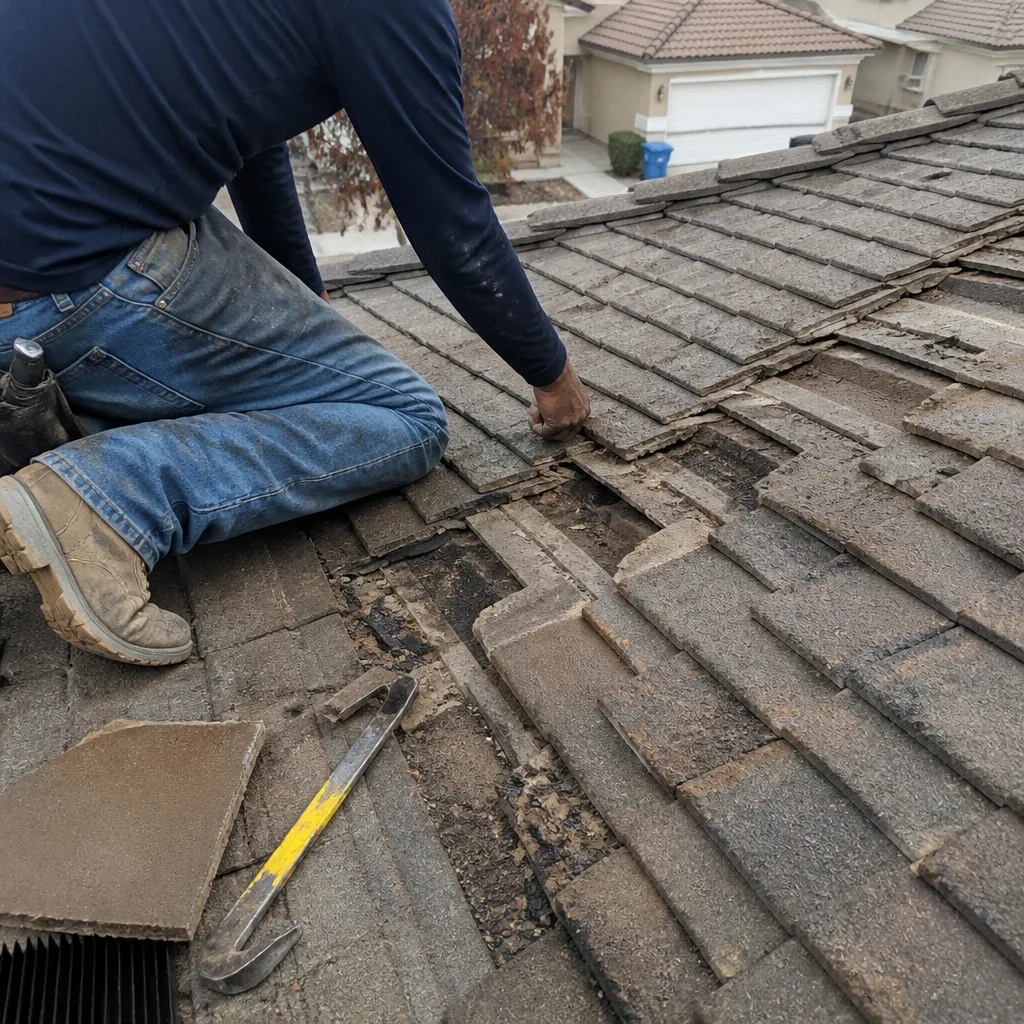 Before
 After
 Before
 After
 Before
 After